
Saving the Bramley Apple Mother Tree

Campaigners launch urgent appeal to preserve the original Bramley apple tree in Nottinghamshire and convert the cottage into a heritage centre.
An ambitious preservation campaign has been initiated to rescue one of agriculture's most cherished botanical treasures from an uncertain future. Campaigners have launched a nationwide appeal designed to secure the original Bramley apple tree, which represents the genetic foundation of perhaps the world's most celebrated cooking apple variety. This iconic tree, which has flourished for nearly two centuries in the peaceful garden of a modest cottage located in Southwell, Nottinghamshire, now faces potential loss as the property containing it has been placed on the market by its current owner, Nottingham Trent University.
The original Bramley apple tree stands as a living monument to agricultural heritage and horticultural innovation, having been planted during the 19th century when this region of England was becoming increasingly renowned for its apple cultivation. The tree's existence represents a direct biological link to the development of one of the most commercially successful and culturally significant apple varieties ever produced. Throughout its lengthy existence, this single tree has provided the genetic material and botanical foundation for countless commercial Bramley apple orchards that now span the globe, making it an invaluable resource for both agricultural historians and modern fruit growers alike.
The cottage and heritage site in question represents far more than merely a residential property—it embodies a crucial piece of British agricultural and horticultural history. Nottingham Trent University, which has maintained stewardship of the property and its remarkable occupant for some time, has decided to place it on the market, triggering urgent action from heritage advocates and agricultural preservation societies. These conservation-minded organizations recognize that without immediate intervention, the site could be developed, altered, or otherwise transformed in ways that might compromise the tree's survival or accessibility to future generations of scholars, farmers, and enthusiasts.

The campaign's central objective centers on transforming the property into a dedicated heritage centre and museum that would preserve both the remarkable tree and the historical narrative surrounding its cultivation and propagation. Advocates envision a facility that would educate visitors about the history of the Bramley apple, the techniques of heritage fruit preservation, and the broader story of English agricultural development during the Victorian era. Such a centre would serve as an educational resource, attracting researchers, schoolchildren, agricultural professionals, and international visitors interested in understanding how a single tree contributed to global food security and culinary tradition.
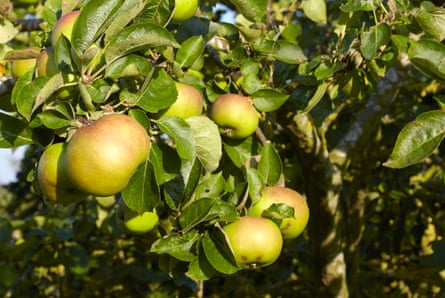
The Bramley apple itself carries profound cultural significance within British society and has achieved remarkable recognition across international markets. This distinctive variety, characterized by its large size, distinctive green coloring, and exceptional cooking properties, has become virtually synonymous with apple pies, crisps, and other traditional British desserts. The fruit's firm texture, balanced acidity, and ability to maintain its structure during cooking have made it the preferred choice for professional chefs and home cooks for generations. Understanding the botanical origins of this globally significant crop provides valuable perspective on how horticultural innovation and fortunate botanical discovery shaped modern agriculture and culinary traditions.
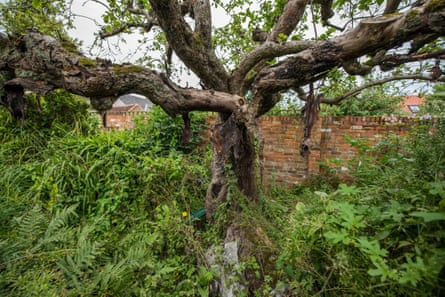
The property's significance extends beyond the single tree standing in its garden, encompassing the entire historical landscape where this agricultural achievement first took root. The Southwell location in Nottinghamshire possesses its own agricultural heritage, having been part of a region with centuries of farming tradition and expertise. The cottage itself, weathered by nearly two centuries of English weather and seasonal change, provides tangible evidence of the everyday life and working conditions of the era when this remarkable tree was first planted and began its slow ascent to horticultural prominence. Preserving these physical structures and the landscape surrounding them maintains crucial historical authenticity that cannot be replicated through documentation or modern reconstruction.
Conservation organizations and heritage groups have mobilized rapidly to address the urgent timeline created by the property's sale listing. These dedicated advocates understand that securing the necessary funding and organizational structure to acquire and properly maintain the site represents a significant undertaking requiring coordination across multiple organizations and potentially international heritage bodies. The appeal process involves engaging the broader community—including agricultural societies, tourism organizations, local government authorities, and individuals passionate about preserving Britain's horticultural legacy—to contribute financial resources and political support toward acquisition of the property.
The potential transformation of the cottage into a functioning heritage centre would serve multiple important functions within its surrounding community and for broader audiences. Beyond its value as a tourist attraction and educational facility, such a centre could become a hub for research into heritage fruit varieties, organic growing techniques, and sustainable agricultural practices. University partnerships could facilitate scientific study of the tree's genetic characteristics, contributing to modern understanding of pomological science and fruit cultivation. School groups could visit to learn about agricultural history in an immersive, historically authentic setting that connects classroom learning to tangible botanical reality.
The appeal launched by campaigners represents only the initial stage in what many anticipate will be a lengthy process of fundraising, negotiation, and institutional development. Success will likely require securing contributions from heritage preservation trusts, agricultural organizations, government cultural funding bodies, and potentially crowd-funding campaigns that engage the broader public in supporting this cause. The ultimate vision extends beyond simple property acquisition to encompass comprehensive restoration of the building, development of appropriate interpretive materials and educational programming, and establishment of ongoing maintenance protocols that will ensure the tree's health and accessibility for centuries to come.
This preservation initiative arrives at a moment when growing awareness of heritage food varieties and traditional agricultural methods has created renewed interest in historical cultivars and their origins. The Bramley apple itself has experienced something of a cultural renaissance as contemporary chefs, food historians, and consumers have sought to rediscover traditional varieties and understand the agricultural foundations of their food systems. By securing and properly presenting the mother tree's story, conservators hope to contribute to broader movements toward sustainable agriculture, biodiversity preservation, and appreciation for the human achievements that have shaped our modern food landscape.
Source: The Guardian


