
Scotland Pioneers Eco-Friendly Hydrolysis Funerals

Scotland becomes first UK country to legalize water cremation, offering a sustainable alternative to traditional burial and cremation.
In a groundbreaking move, Scotland has become the first part of the United Kingdom to legalize hydrolysis, an environmentally-friendly alternative to conventional cremation or burial. Also known as water cremation or aquamation, this process utilizes alkaline and water to break down the body in just a few hours, responding to the growing demand for more sustainable funeral arrangements.
The new regulations, approved by the Scottish parliament on Monday, mark the most significant change to funeral law since cremation was introduced in 1902. While hydrolysis has already been available in many parts of the world, this legislative step solidifies Scotland's position as a pioneer in the quest for eco-friendly end-of-life options.
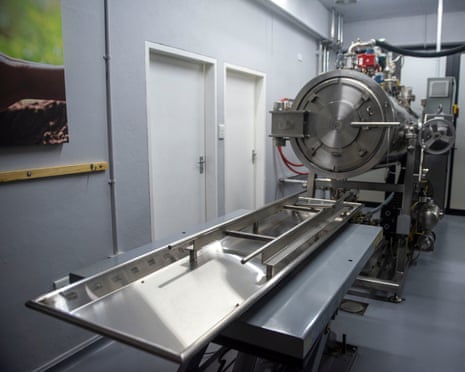
The hydrolysis process involves placing the deceased in a stainless-steel vessel filled with a mixture of water and alkaline chemicals, typically sodium hydroxide or potassium hydroxide. Through a process of alkaline hydrolysis, the body is rapidly broken down, leaving behind only a sterile liquid and mineral ash. This significantly reduces the carbon footprint compared to traditional cremation, which requires intense heat and results in the release of greenhouse gases.
According to industry experts, the hydrolysis process is not only more environmentally friendly, but also offers a more dignified and peaceful alternative for families seeking a gentle final farewell. The resulting liquid can be disposed of through the sewage system, while the mineral ash can be kept by the family or scattered in a meaningful location.
The legalization of hydrolysis in Scotland is a significant milestone in the ongoing global shift towards more sustainable and compassionate funeral practices. As the first UK nation to take this step, Scotland has positioned itself as a leader in the field, paving the way for other regions to follow suit and offer their citizens a wider range of eco-friendly end-of-life options.
This move is not only a reflection of changing consumer preferences, but also a response to the increasing environmental concerns surrounding traditional funeral practices. With the growing awareness of the carbon footprint associated with cremation and burial, the availability of hydrolysis presents a viable and more sustainable alternative that aligns with the values of modern society.
The introduction of hydrolysis in Scotland is a significant step towards a future where funeral arrangements can be both environmentally responsible and sensitive to the needs and wishes of the deceased and their loved ones. As the world continues to grapple with the urgent challenges of climate change, this pioneering move by Scotland serves as a model for other countries to follow, paving the way for a more sustainable and compassionate approach to end-of-life care.
Source: The Guardian


