
Scotland Yard Targets 77 in Grenfell Tower Fire

Police seek criminal charges against 77 companies and individuals over the 2017 Grenfell Tower fire that killed 72 people, citing strong evidence of wrongdoing.
Scotland Yard has announced its intention to pursue criminal charges against 77 companies and individuals connected to the devastating 2017 Grenfell Tower fire, which claimed the lives of 72 people. The Metropolitan Police's decision represents a significant milestone in the ongoing investigation into what has been described as one of the most tragic residential fires in modern British history. Senior investigators at the force have confirmed they will be submitting case files to the Crown Prosecution Service (CPS) with what they describe as substantial and compelling evidence of potential criminal wrongdoing by multiple parties involved in the construction, management, and maintenance of the west London residential tower.
Garry Moncrieff, the lead investigator overseeing the extensive inquiry, emphasized that his dedicated team of 220 detectives has spent considerable time and resources gathering what amounts to "strong evidence" of potential misconduct across various organizations and individuals. The investigation has been one of the most complex and resource-intensive police inquiries undertaken in recent years, requiring investigators to meticulously examine construction records, safety documentation, and decision-making processes spanning years prior to the fire. The scale of the investigation underscores the seriousness with which law enforcement is treating the incident and the thoroughness required to build cases against such a large number of defendants.
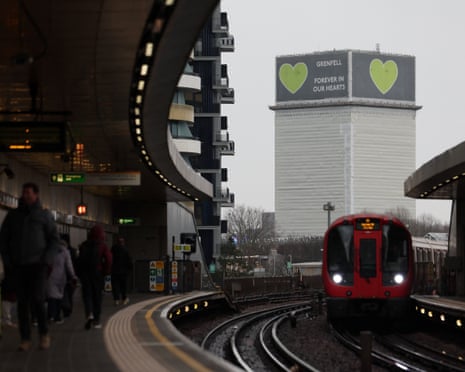
The Grenfell Tower fire, which erupted on June 14, 2017, remains a watershed moment in British public life, sparking widespread debates about building safety standards, regulation, and corporate accountability. The rapid spread of the fire through the 24-story tower in North Kensington resulted in the deaths of 72 residents, with many more suffering injuries and lasting psychological trauma. The incident exposed serious failings in fire safety regulations, the use of flammable cladding materials, and the general maintenance standards of high-rise residential buildings in the United Kingdom.
The forthcoming submissions to the Crown Prosecution Service represent the culmination of years of meticulous investigative work undertaken by the Metropolitan Police. While police have expressed optimism about their case files and the strength of evidence they have compiled, officials have tempered expectations regarding the timeline for any resulting legal proceedings. Authorities have cautioned that even with the submission of files to the CPS, any trials arising from these charges could potentially be years away, reflecting the complexity of the cases involved and the inevitable delays inherent in the criminal justice system.
The investigation has examined multiple areas of concern that may have contributed to the tragedy. These areas include the selection and installation of flammable external cladding materials on the building's facade, the adequacy of fire safety systems and emergency evacuation procedures, the maintenance and repair practices at the tower, and the broader regulatory oversight that allowed such materials to be used in residential buildings. Investigators have scrutinized decisions made by contractors, architects, building management companies, and regulatory bodies, looking for evidence of negligence, breach of duty, or deliberate misconduct.
The criminal investigation operates in parallel with separate public inquiries that have already identified significant systemic failures. The official public inquiry into the fire, led by Sir Martin Moore-Bick, produced findings that criticized numerous parties and highlighted dangerous gaps in building safety regulations. However, the criminal investigation by police represents a distinctly different legal process, with a higher evidentiary threshold and the potential for imprisonment of those convicted of serious crimes.
Among the entities and individuals potentially facing charges are construction companies that carried out renovation work on the building, the manufacturers of the cladding materials used, consulting firms involved in the refurbishment project, and management organizations responsible for the day-to-day operation of Grenfell Tower. The decision to pursue charges against such a broad range of defendants reflects the distributed nature of responsibility that investigators have identified throughout the complex chain of decisions and actions that led to the tragedy.
The announcement of potential charges has been met with cautious optimism by families of victims and survivors of the fire, many of whom have campaigned tirelessly for accountability and justice. These families have endured years of uncertainty and frustration as investigations proceeded at what they often described as an agonizingly slow pace. For many relatives of the deceased, the police announcement represents progress toward the accountability they have sought since that fateful night in 2017.
Legal experts have noted that the cases facing the Crown Prosecution Service will present significant challenges, requiring prosecutors to prove the criminal culpability of multiple defendants across different organizations and professions. Some defendants may face charges related to the supply of dangerous materials, others to inadequate supervision or negligence in their professional duties, and still others to failings in building management and safety procedures. The CPS will need to carefully evaluate each case to determine which charges can be supported by sufficient evidence to justify prosecution.
The anticipated timeline for trials remains uncertain, with legal observers suggesting that preliminary hearings and pre-trial procedures could consume considerable time even before main trials commence. Complex cases involving multiple defendants and extensive documentation typically require extensive preparation time from both prosecution and defense teams. The sheer number of defendants involved means that several trials may need to be scheduled, potentially stretching the legal process over many years.
Beyond the criminal investigations and prosecutions, significant legislative changes have already been implemented in response to the Grenfell Tower fire. The government has introduced stricter building safety regulations, banned certain types of flammable cladding in residential buildings over a certain height, and established new oversight mechanisms for high-rise residential buildings. These changes represent attempts to prevent similar tragedies and to address the systemic failures that the fire exposed.
The Grenfell Tower tragedy has become a symbol of broader concerns about corporate accountability, regulatory capture, and the prioritization of cost-cutting measures over public safety. The potential criminal charges against 77 companies and individuals send a message that authorities take these issues seriously and are committed to pursuing justice. However, the lengthy timeline before any trials are likely to commence serves as a reminder of how time-consuming and complex modern criminal justice proceedings can be, particularly in cases involving multiple defendants and sophisticated questions about professional negligence and corporate responsibility.
As the investigation concludes and files are prepared for submission to the Crown Prosecution Service, the focus now shifts to the prosecutorial stage of the criminal justice process. The decisions made by prosecutors regarding which charges to pursue and against which defendants will shape the legal narrative around this tragedy for years to come. Whatever charges are ultimately pursued, the Grenfell Tower case will remain a watershed moment in discussions about corporate accountability and the protection of public safety in the built environment.
Source: The Guardian


