
Scottish Labour Faces Major Setback Amid Starmer's Popularity Crisis

Labour and Reform tie for second place in Scotland as SNP maintains lead. Analysis of Starmer's impact on Scottish Labour's electoral fortunes.
The political landscape in Scotland has undergone a dramatic transformation, with Scottish Labour facing an unprecedented challenge as the party struggles to maintain momentum in a rapidly shifting electoral environment. The recent results reveal a troubling narrative for the governing party south of the border, as Keir Starmer's unpopularity has proven to be an almost insurmountable obstacle for Labour candidates across Scotland. Senior Labour politicians, many of them veterans with decades of experience navigating Scottish politics, have been remarkably candid in their assessment, attributing much of the party's difficulties directly to decisions and policies emanating from Downing Street.
When Anas Sarwar, the Scottish Labour leader, arrived at the Glasgow count arena on Friday afternoon, the atmosphere was markedly different from the triumphant scenes just two years prior. This time, surrounded by visibly deflated party activists rather than jubilant supporters, the comparison to the 2024 election results was impossible to ignore. Just eighteen months ago, Scottish Labour had engineered a remarkable political turnaround, securing 36 seats from the Scottish National Party and playing a crucial role in delivering Keir Starmer's commanding landslide victory. That historic achievement had seemed to herald a new chapter for the party in Scotland, yet the current election results suggest a sharp reversal of fortunes.
The electoral results paint a complex picture of Scotland's political preferences, with Labour and Reform tied for second place, a development that would have seemed inconceivable to most political observers just months earlier. This surprising tie reflects the broader fragmentation of the political middle ground and indicates that Scottish voters are increasingly willing to consider alternative parties. The Scottish National Party has maintained its position as the dominant political force in the country, continuing to command significant support despite facing various challenges. Meanwhile, the Scottish Greens have made what they themselves characterize as a seismic fourth place finish, a result that underscores the increasingly competitive nature of Scottish electoral politics.
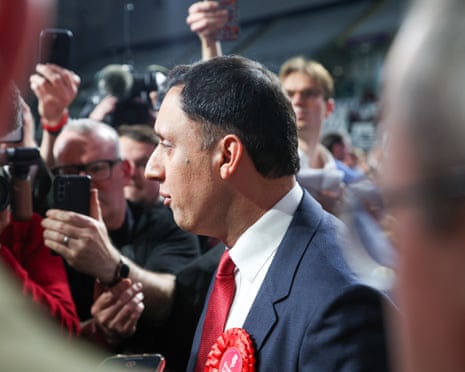
The role of Starmer's unpopularity in Scotland cannot be overstated when assessing these results. The Prime Minister's declining approval ratings have created a significant headwind for Labour candidates throughout Scotland, who found themselves forced to distance themselves from their party leader or attempt to redirect the conversation toward local issues. This dynamic represents a fundamental challenge for any governing party, as voter dissatisfaction with national leadership inevitably filters down to impact local and regional election results. The timing of this unpopularity is particularly damaging for Scottish Labour, coming just as the party was attempting to consolidate its 2024 gains and build upon its surprising resurgence.
Throughout the campaign, the public apathy and frustration that pervaded Scotland's political discourse became increasingly evident. Voter turnout, enthusiasm for campaign events, and general engagement with the political process all reflected a broader disillusionment that transcended traditional party boundaries. This sentiment has not emerged in a vacuum; rather, it reflects genuine concerns about the direction of national policy, economic conditions, and the perceived responsiveness of elected officials to constituents' needs. For Scottish Labour, which had positioned itself as a fresh alternative during the 2024 campaign, this general political malaise has provided fertile ground for competing parties to expand their influence.
The relationship between Westminster politics and Scottish electoral outcomes has long been a critical factor in determining the region's voting patterns, and this election cycle demonstrates that dynamic remains as powerful as ever. Political analysts have noted that Scottish voters often use regional elections as opportunities to send messages to the UK government, and the current results suggest that many Scots are dissatisfied with the direction of the Labour government. The timing of these elections, roughly eighteen months into Starmer's premiership, coincides with a period when the new government has faced criticism from both left-leaning voters disappointed by perceived policy compromises and traditional Labour voters frustrated by the pace of change. This squeeze from multiple directions has left Scottish Labour in an exceptionally difficult position.
The performance of Reform in Scotland, while still representing a relatively modest vote share, signals an important shift in the broader political terrain. Reform's presence as a competitive force in Scottish politics reflects not only dissatisfaction with the Labour government but also appeals to voters who feel abandoned by traditional parties. This development carries significant implications for future election cycles and suggests that the traditional binary competition between Labour and the SNP may be evolving into a more multipolar political landscape. The emergence of Reform as a genuine second-place contender alongside Labour represents a notable achievement for a party that continues to build its infrastructure and expand its political reach across the UK.
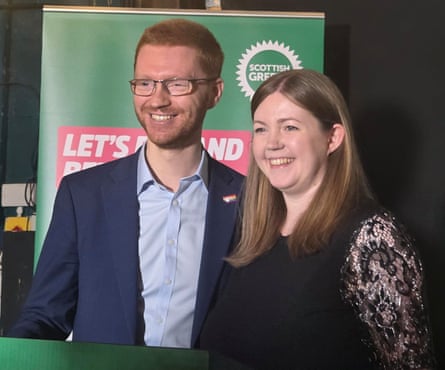
The Scottish Greens' claim of a seismic fourth place finish represents an important moment for the party, which has been gradually increasing its influence in Scottish politics over the past several years. While fourth place might ordinarily be considered disappointing, the Greens appear to be leveraging this result as evidence of their growing relevance and their ability to capture votes from voters concerned about environmental issues, progressive policy agendas, and alternatives to the major parties. The party's messaging around this result emphasizes the significance of their electoral breakthrough, positioning them as an increasingly serious contender in Scotland's political ecosystem.
Looking forward, Scottish Labour faces crucial strategic decisions about how to rebuild its position and reconnect with voters who previously supported the party's 2024 platform. The party will need to determine whether to attempt further distancing from Starmer or to find ways to reinforce Labour's record in UK government and highlight its achievements. This balancing act will be complicated by the reality that many Scottish voters have formed negative impressions of the current government, and these impressions may persist despite Labour's best efforts at reframing its narrative. The coming months will be critical in determining whether Scottish Labour can stabilize its political position or whether the party will continue to experience erosion of its electoral base.
The broader implications of Scotland's electoral results extend beyond the region itself, sending signals to other parts of the UK about the challenges facing the Labour government nationally. If Starmer's unpopularity continues to expand beyond Scotland and into other regions where Labour has traditionally maintained strong support, the party could face significant difficulties in by-elections and future local contests. Understanding the Scottish results is therefore essential for political observers seeking to gauge the health of the broader Labour government and to assess whether the party can successfully navigate the challenges ahead.
Source: The Guardian


