
Sea Otter Classic: Why Bike Accessories Stole the Show

Discover the standout bike accessories from Sea Otter Classic that impressed us more than the bicycles themselves. Explore innovative cycling gear.
Sea Otter Classic in Monterey County, California, stands as a testament to the enduring fascination cyclists have with two-wheeled transportation and everything that accompanies it. The event showcases more than just bicycles—it's a celebration of cycling culture, innovation, and the passionate community that surrounds this timeless sport. While many attendees flock to the event expecting to see cutting-edge bike designs, the real treasures often lie in the creative and functional cycling accessories that enhance the riding experience in unexpected ways.
Bicycles represent a fascinating piece of technology that has remained relatively unchanged in its fundamental design for over a century. From the early dandy horse to the iconic penny-farthing, the evolution of bicycles has been marked by gradual refinements rather than revolutionary changes. The introduction of the safety bicycle in the 1880s truly transformed cycling as we know it, establishing design principles that persist to this day.
What's particularly remarkable about bicycle design is its fundamental stability across generations. A modern-day cyclist could theoretically understand and operate a bicycle manufactured in the 1890s without significant difficulty. The basic principles—two wheels, pedals, handlebars, and a frame—have proven so effective that they've required minimal alterations over 130-plus years. This speaks to the elegant simplicity and engineering brilliance embedded in the safety bicycle's original design.
Yet despite this technological constancy, bike accessories continue to evolve dramatically. Sea Otter Classic serves as the world's premier consumer trade cycling show, attracting manufacturers, enthusiasts, and industry professionals from around the globe. The event attracts hundreds of thousands of visitors annually, making it essentially Christmas morning for dedicated bike enthusiasts and casual cyclists alike.
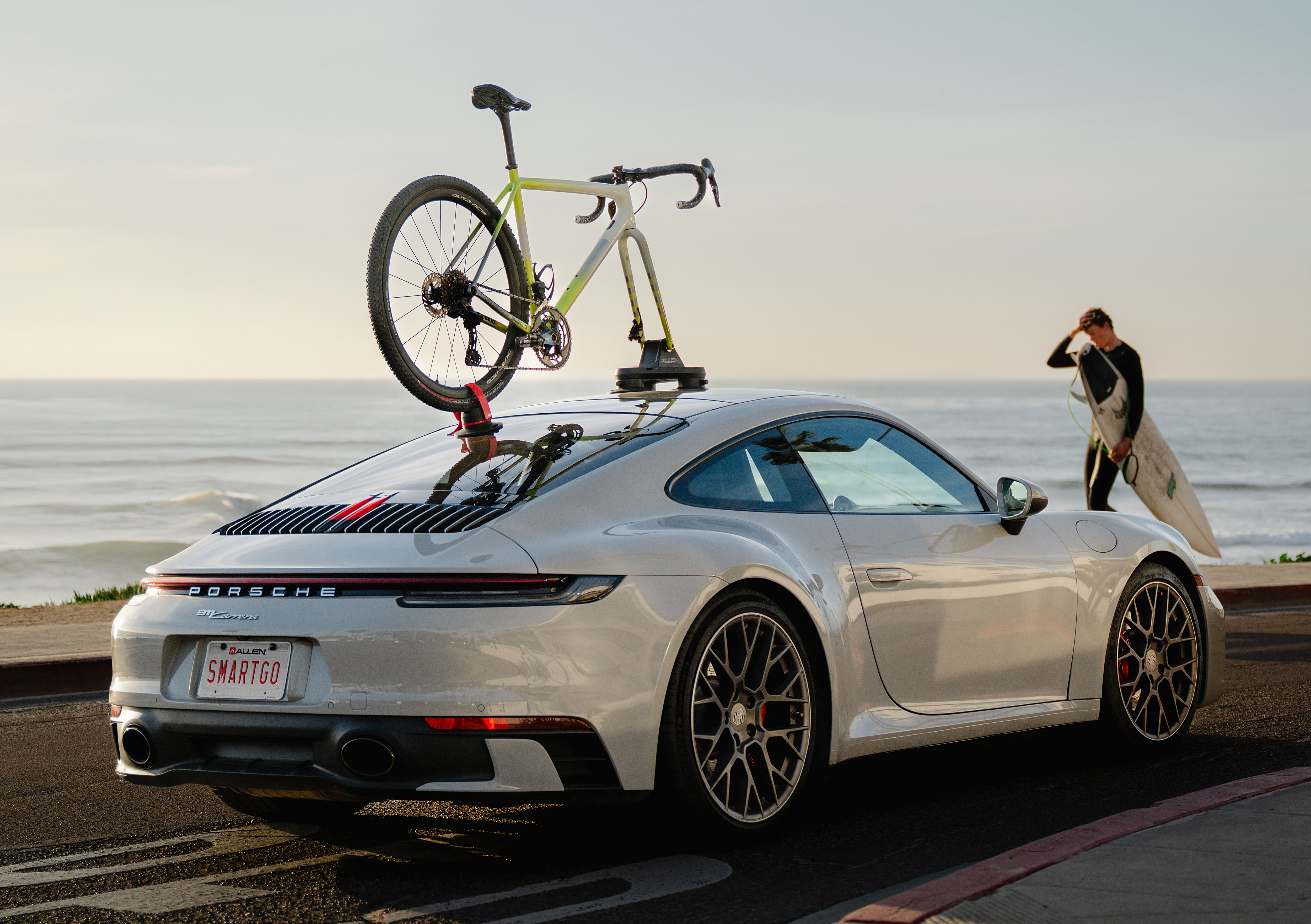
The beauty of attending Sea Otter Classic lies in discovering innovations you didn't know you needed. While bicycle manufacturers certainly showcase their latest models—featuring advances in frame materials, drivetrain technology, and suspension systems—the accessories section often steals the spotlight. These are the products that solve real-world problems that cyclists face daily, whether that's weatherproofing concerns, safety improvements, storage solutions, or comfort enhancements.
The distinction between bikes and cycling gear has become increasingly important in the modern cycling community. While frame geometry and component specifications matter greatly to performance-oriented riders, the accessories make cycling accessible, enjoyable, and practical for the broadest possible audience. From innovative lights and locks to ergonomic grips and smart devices, these products directly impact the riding experience in tangible ways.
What makes Sea Otter Classic particularly valuable to the cycling industry is its ability to serve as a testing ground for new ideas. Manufacturers bring prototypes and new concepts to gauge consumer interest and gather feedback. The event functions as a bridge between innovation labs and the actual cyclists who will use these products on real roads, trails, and urban commutes. This direct interaction creates opportunities for rapid iteration and product refinement.
The scale of Sea Otter Classic cannot be overstated. With hundreds of exhibitors and hundreds of thousands of attendees over the course of the event, it represents the cycling industry's most significant commercial gathering. The show spans multiple categories including mountain biking, road cycling, BMX, and urban commuting, ensuring that every cycling discipline receives representation and attention.
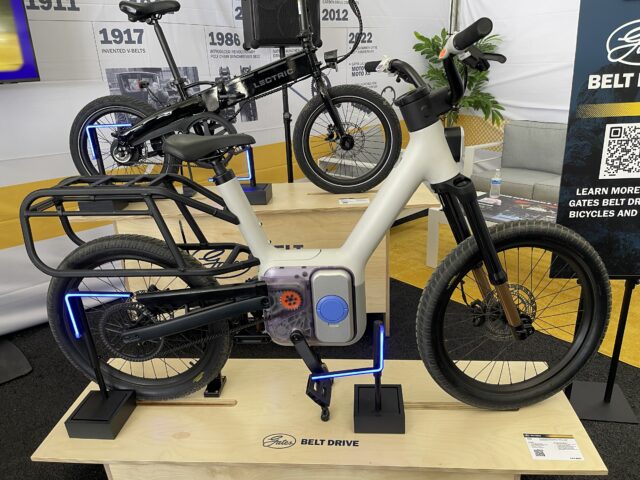
For serious bike enthusiasts, attending Sea Otter Classic offers unparalleled access to the latest cycling innovations. Whether you're a competitive racer seeking marginal performance gains or a casual rider looking to improve comfort and safety, the accessory vendors at the show cater to every need and budget. The diversity of products available reflects the maturation of the cycling market and the recognition that successful cycling depends on more than just the bike itself.
The emphasis on accessories at Sea Otter Classic also highlights an important industry trend: customization and personalization. Modern cyclists increasingly view their bikes as platforms for self-expression and customization. They want to equip their rides with products that reflect their personal style, priorities, and riding objectives. This has spawned an entire ecosystem of aftermarket accessory manufacturers creating products that range from purely functional to aesthetically significant.
Beyond the commercial aspects, Sea Otter Classic embodies the spirit of cycling culture itself. The event draws together manufacturers, retailers, professional athletes, and everyday cyclists in a celebration of shared passion. It's a place where technical discussions occur alongside casual conversations, where innovation is celebrated, and where the cycling community reaffirms its commitment to this ancient yet constantly evolving form of human-powered transportation.
The accessories that captivate visitors at Sea Otter Classic often represent solutions to problems that cyclists have dealt with for decades. New materials, manufacturing techniques, and design philosophies enable creators to reimagine traditional cycling gear. A simple water bottle holder, for instance, might incorporate lightweight composite materials and intuitive release mechanisms that would have seemed impossible just years ago.
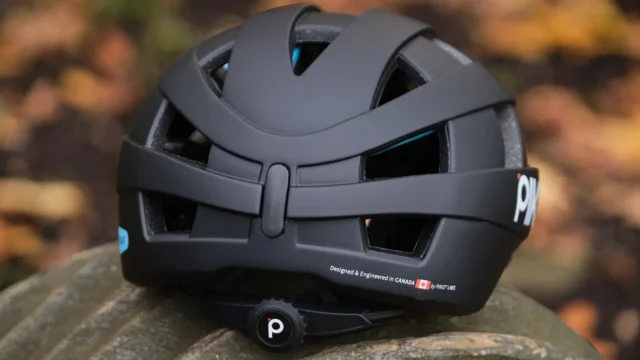
Technology integration represents another major theme in bike accessories at the show. Smart lights that communicate with vehicles, digital shifting systems, GPS-enabled computers, and app-controlled accessories represent how cycling gear continues to evolve. These technological additions serve practical purposes—improving safety, tracking performance, and enhancing navigation—while maintaining the essential simplicity that makes cycling appealing.
For retailers and distributors, Sea Otter Classic serves as the essential sourcing event for the coming year. Retailers discover what products will resonate with their customer base, place orders, and build relationships with manufacturers. The buying decisions made at the event influence what cycling products will be available in local bike shops and online retailers throughout the subsequent months. This makes Sea Otter Classic incredibly influential in shaping the cycling market.
The diversity of accessories showcased at the event is genuinely astonishing. Beyond obvious categories like lights, locks, and storage solutions, there are niche products addressing specific problems: rain gear designed specifically for cyclists, ergonomic products for commuters, children's cycling accessories, cargo-carrying solutions, and performance-monitoring devices. Each product represents someone's solution to a real problem experienced by real cyclists.
What ultimately makes Sea Otter Classic special is that it celebrates not just bicycles but the entire ecosystem surrounding cycling. The bike accessories on display represent the passion, creativity, and entrepreneurial spirit of people dedicated to making cycling better. While the fundamental safety bicycle design from 1880 may remain largely unchanged, everything surrounding it continues to evolve, improve, and innovate in response to cyclists' changing needs and desires.
For anyone passionate about cycling, whether as a casual hobby or serious pursuit, Sea Otter Classic offers invaluable inspiration and practical insights into the future of the sport. The accessories stealing the show represent the real frontier of cycling innovation—not where bikes are going, but how cyclists will ride them better, safer, and more enjoyably in the years ahead. This focus on accessories underscores an important truth: the journey is just as important as the bike itself.
Source: Ars Technica


