
Seashell Photo Sparks FBI Directors Indictment

An Instagram post of seashells becomes central to unprecedented indictment of ex-FBI leadership. Explore the controversial case and its implications.
During my formative years, I spent a summer working as a waiter at a casual dining establishment, an experience that left much to be desired. However, this brief tenure in the restaurant industry imparted two invaluable lessons that have stayed with me: first, the ability to overcome profound embarrassment while participating in mandatory birthday celebrations alongside coworkers, complete with choreographed singing performances; and second, a fundamental understanding of kitchen terminology and restaurant operations that would prove useful in later conversations.
The restaurant industry operates with its own unique lexicon, filled with shorthand expressions that allow kitchen staff and servers to communicate efficiently during busy service periods. One such term that became ingrained in my vocabulary was the phrase "86," which the line cooks would enthusiastically shout through the kitchen pass whenever the day's inventory of a particular item became depleted. This colorful bit of restaurant jargon served as an efficient way to communicate to all staff members that a specific menu item was no longer available for service.
Throughout my entire professional life, I have only encountered the term "86" used in this specific culinary context—to indicate that something is out of stock, finished, gone from the menu, and no longer available to customers. This straightforward application of the term seemed to be the only practical usage in the modern hospitality industry. The term's efficiency and clarity made it an essential part of restaurant communication, allowing staff to quickly adjust to inventory shortages without disrupting service.

However, according to comprehensive research available on Wikipedia, which maintains a detailed entry dedicated specifically to the etymology and various applications of this curious term, multiple additional meanings of "86" have emerged and evolved throughout history and across different subcultures. The term's versatility extends beyond simple inventory management, revealing a rich linguistic history that reflects changing social practices and cultural contexts.
One alternative usage refers to the practice of refusing service to a particular patron at a restaurant, essentially "86-ing" a customer who has become disruptive, intoxicated, or otherwise unwelcome on the establishment's premises. This application of the term reflects the restaurant industry's need for a euphemistic way to discuss the removal of problematic customers without causing additional disruption to other diners or staff members.
Additionally, some slang dictionaries and informal linguistic references have documented a more sinister interpretation of the term, suggesting that in certain contexts and regions, "86" can be employed as coded language referring to violent actions or harmful outcomes. This darker association with the term represents a significant departure from its innocent origins in restaurant culture, illustrating how language can evolve and take on multiple meanings depending on social context and cultural factors.

The existence of these multiple interpretations has become increasingly relevant in contemporary legal and political contexts, particularly as various incidents and communications have come under intense scrutiny from law enforcement and investigative agencies. The ambiguous nature of such coded language creates significant challenges for legal interpretation and prosecutorial strategy, as prosecutors must determine intent and meaning based on context and surrounding evidence.
This linguistic complexity has taken on new significance in recent legal proceedings involving high-profile figures and government officials. When examining communications, social media posts, and other evidence, investigators and prosecutors must carefully parse language to understand intent and establish the factual basis for their allegations. The potential for misinterpretation or overreach in such cases raises important questions about prosecutorial discretion and the proper scope of federal investigations.
The convergence of seemingly innocuous social media content—such as photographs of seashells or other beach imagery—with allegations of criminal conduct has raised eyebrows among legal observers and First Amendment advocates. Critics argue that such connections represent an increasingly aggressive approach to prosecution that stretches the boundaries of traditional criminal law and raises troubling questions about the limits of interpretive analysis in federal cases.
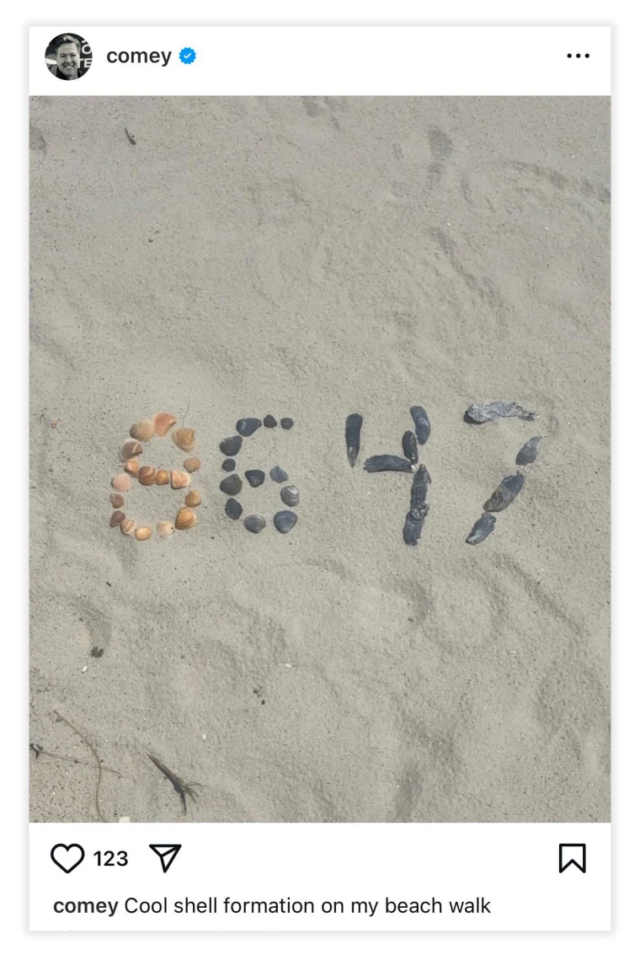
The treatment of ambiguous or potentially coded communications as direct evidence of criminal intent reflects broader tensions in contemporary law enforcement and prosecutorial practice. These concerns are particularly acute when such evidence is used to justify the indictment or prosecution of high-ranking government officials, as such actions carry profound implications for institutional stability and public trust in governmental institutions.
Legal scholars and constitutional experts have raised substantial concerns about the precedent being established through such prosecutions, particularly when the evidence relies heavily on interpretations of coded language, social media posts, and circumstantial evidence. The potential for prosecutorial overreach in such cases threatens to establish dangerous precedents that could affect how evidence is evaluated in future litigation involving public figures and government officials.
The involvement of ex-FBI directors in these proceedings adds another layer of complexity and institutional significance to the matter. These individuals occupied positions of tremendous authority and responsibility within the federal government, and any allegations against them carry implications that extend far beyond the individual defendants to questions about institutional integrity and the functioning of law enforcement itself.
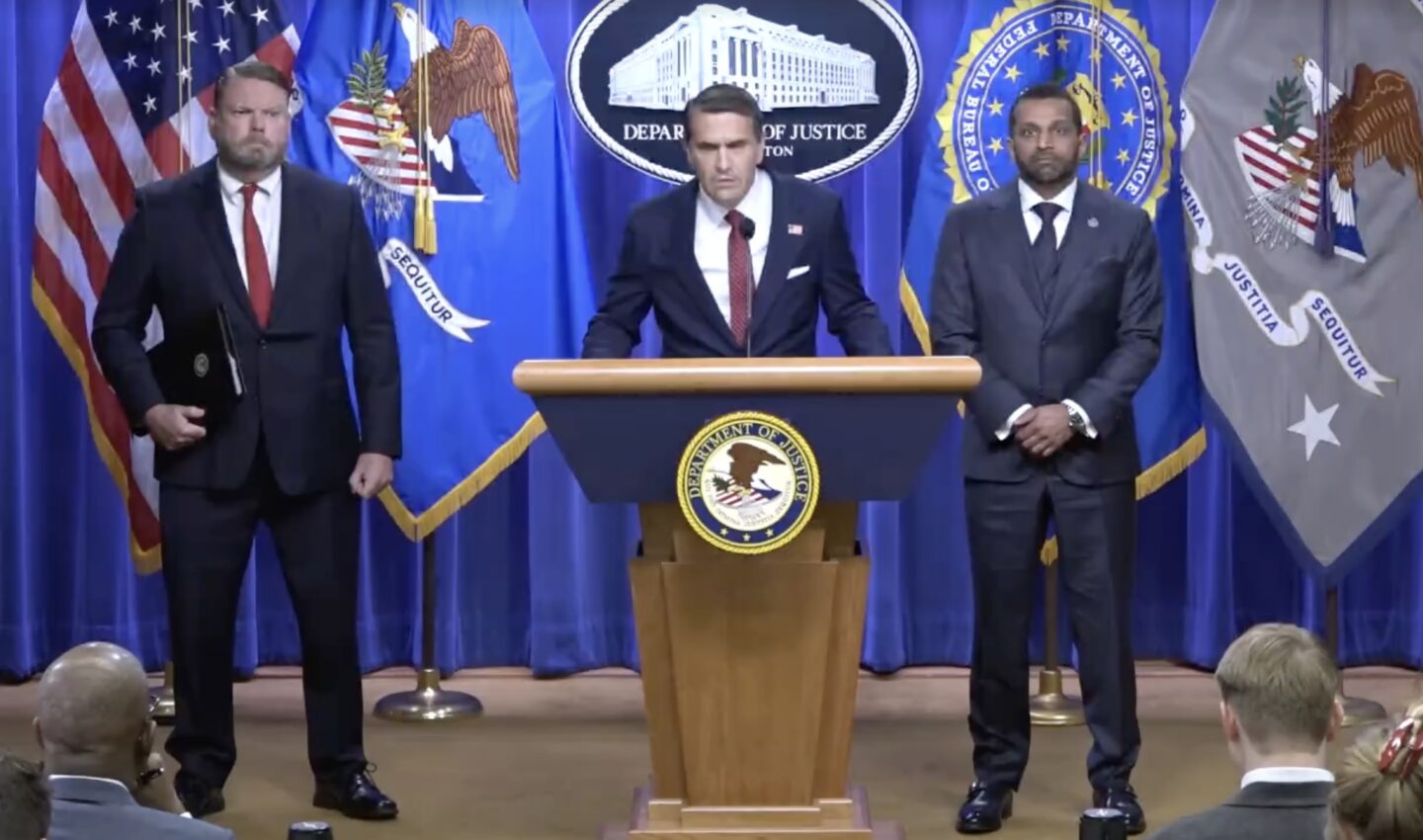
As these cases proceed through the legal system, the standards of evidence and the appropriate scope of prosecutorial interpretation will likely face intense scrutiny from appellate courts, legal commentators, and civil liberties organizations. The outcomes of these proceedings will potentially establish important precedents regarding how federal prosecutors can use ambiguous communications as evidence in high-profile cases involving government officials.
The broader implications of these legal developments extend to questions about the proper role of federal law enforcement, the standards that should govern prosecutorial discretion, and the protections that should exist for public discourse and expression. These fundamental issues of governance and constitutional law will continue to occupy the attention of legal scholars, policymakers, and citizens as these cases unfold through the judicial system.
Source: Ars Technica


