
Secret Network Smuggling Starlink Into Iran

Discover how underground networks are smuggling Starlink satellite internet terminals into Iran to circumvent government internet censorship and blackouts.
In the shadows of Iran's tightly controlled digital landscape, an underground operation has emerged to deliver what many Iranians desperately need: unrestricted internet access. Starlink terminals are being smuggled across borders through a clandestine network, challenging the Islamic Republic's stranglehold on information flow. This covert effort represents a significant development in the ongoing battle between authoritarian censorship and the fundamental human desire for free communication.
Sahand, a key figure in this underground movement, has revealed to the BBC World Service his motivations for participating in this risky endeavor. He emphasizes that his mission centers on enabling Iranians to access "the real picture" of world events, uncensored and unfiltered by government propaganda. His involvement underscores the growing frustration among Iranian citizens and diaspora members who view internet censorship as an affront to basic freedoms and human rights. The operation he participates in has become increasingly sophisticated, adapting to evade government detection while maximizing the number of terminals that reach their intended recipients.
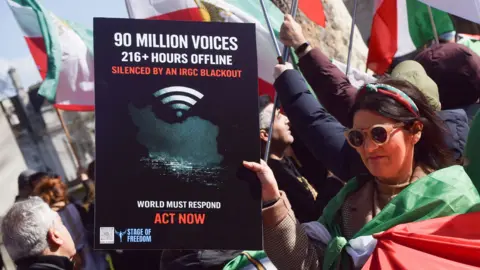
The Iranian government has long employed sweeping internet blackout tactics during periods of civil unrest, political tension, or when authorities seek to suppress dissent. These periodic shutdowns have isolated the nation of over 88 million people from global communications, leaving citizens unable to contact family abroad, conduct business, or access news from international sources. The regime views such controls as essential to maintaining stability and preventing what they perceive as foreign interference in domestic affairs. However, these restrictive policies have only intensified public hunger for independent information and uncensored communication channels.

Satellite internet technology like Starlink offers a potential workaround to traditional censorship methods because it operates independently of terrestrial infrastructure that governments typically control. Unlike conventional broadband networks that route through national telecommunications systems vulnerable to government shutdown, satellite-based systems connect directly to orbital networks. This fundamental difference makes them significantly more difficult for authorities to suppress entirely, though Iran has attempted to jamb and block signals. The technological advantage has made Starlink particularly attractive to those seeking to circumvent Iranian restrictions.
The smuggling network operates with considerable operational security, employing methods refined through years of sanctions and international isolation experience. Terminals are transported through multiple intermediate countries, often arriving disassembled or hidden within legitimate commercial shipments. Once inside Iran, they are distributed through trusted networks to activists, journalists, intellectuals, and ordinary citizens who value unrestricted internet access. The operation requires coordination across borders, reliable supply chains, and most critically, a community of motivated individuals willing to take considerable personal risk.
For Iranian activists, journalists, and human rights defenders, access to uncensored information has become increasingly vital. During the 2022 protests following Mahsa Amini's death in police custody, internet restrictions severely hampered the ability of demonstrators to organize, document human rights abuses, and share their experiences with the world. Free internet access enables these individuals to bypass state media monopolies and present alternative narratives about what is happening within Iran's borders. The ability to communicate with international press, human rights organizations, and the global community can amplify marginalized voices and create accountability for government actions.
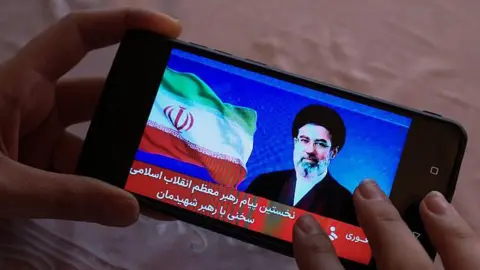
The Iranian government's approach to digital control has evolved into one of the world's most sophisticated censorship systems. The regime employs a combination of technical filtering, surveillance technologies, and legal penalties to restrict information flow. Internet service providers are state-owned or strictly regulated, making it nearly impossible for ordinary citizens to access content deemed politically sensitive or culturally inappropriate by authorities. The system extends beyond simple blocking to include monitoring and tracking of users engaged in online activism or dissent, creating a chilling effect on digital free expression.
Starlink's emergence as a potential circumvention tool has deeply concerned Iranian officials and security agencies. The technology represents a genuine threat to their information monopoly because it operates outside their traditional control mechanisms. In response, authorities have issued warnings against possessing or using satellite internet terminals, threatening severe legal consequences including substantial fines and imprisonment. Despite these threats, demand for Starlink access continues growing as awareness of the technology spreads through Iran's tech-savvy population.
The broader geopolitical context adds complexity to this situation. The international sanctions regime against Iran limits the country's ability to import legitimate telecommunications equipment, inadvertently driving more demand toward black market alternatives. These sanctions, while designed to pressure the Iranian government on nuclear and human rights issues, have had the unintended consequence of pushing ordinary Iranians toward riskier and more expensive means of accessing basic services. The interconnection between international policy, technological innovation, and grassroots resistance creates a multifaceted challenge for all parties involved.
Sahand's testimony provides a rare window into the operational realities of these networks. He describes the logistical challenges of moving hardware across borders while evading customs and security forces. He also explains the technical training required to help recipients install and operate Starlink terminals safely while minimizing detection risks. His commitment to the cause reflects a broader sentiment among diaspora Iranians and international human rights advocates who view unrestricted internet access as a fundamental right deserving support despite legal risks.
The ethical dimensions of this operation warrant careful consideration. Supporters argue that fundamental human rights, particularly freedom of information and expression, justify circumventing unjust government restrictions. They contend that the Iranian government's blocking of legitimate content forces citizens toward illegal workarounds, placing responsibility for law-breaking on authorities rather than users. Critics, including some government defenders, counter that nations have sovereignty rights to control infrastructure within their borders and that circumventing such controls violates national laws.
Looking forward, the confrontation between satellite internet networks and censorship systems will likely intensify. As technology becomes more accessible and affordable, Iran will face growing challenges maintaining its information control systems. Simultaneously, the government will presumably invest in more sophisticated jamming and detection technologies to combat the threat. This digital arms race reflects broader global tensions between authoritarian control and technological liberation, with ordinary citizens caught in the middle.

The story of Sahand and the clandestine network smuggling Starlink into Iran represents more than just a technical workaround to censorship. It embodies the enduring human desire for information freedom and the willingness of committed individuals to take significant risks in pursuit of that goal. Whether this particular effort ultimately succeeds or is eventually suppressed remains uncertain, but it demonstrates that attempts to control information in the digital age face mounting challenges. The battle over digital freedom in Iran will continue shaping the nation's future and influencing global conversations about technology, human rights, and state power.
Source: BBC News


