
Secret Service Officer Shot at Trump Dinner Event

Court documents reveal details about shooting incident at Trump press dinner. Officials deny friendly fire as investigation unfolds.
A shooting incident at a high-profile Trump press dinner has sparked an intense investigation, with court papers providing limited details about the circumstances surrounding the event. Despite official statements that the incident was not a case of friendly fire, the legal documents have notably stopped short of explicitly naming the suspect as the shooter responsible for wounding a Secret Service officer. This cautious legal language has raised questions about the strength of evidence and the direction of the ongoing investigation into what happened during the exclusive event.
The incident at the Trump dinner represents a rare breach of security at what is typically one of the most heavily protected events in the country. Secret Service agents maintain rigorous protocols at such gatherings, making any shooting particularly alarming to law enforcement and security officials. The fact that a Secret Service officer was injured during the event underscores the serious nature of the situation and has prompted a comprehensive review of security procedures that were in place that evening.
According to official statements from law enforcement agencies, investigators have ruled out the possibility that the officer was injured by friendly fire from fellow agents or security personnel. This determination is significant because it indicates that the shot came from an unauthorized source, potentially suggesting either a security breach or a deliberate act by someone with access to the event. The careful distinction between ruling out friendly fire and the cautious language in court documents has created a complex narrative that continues to unfold.
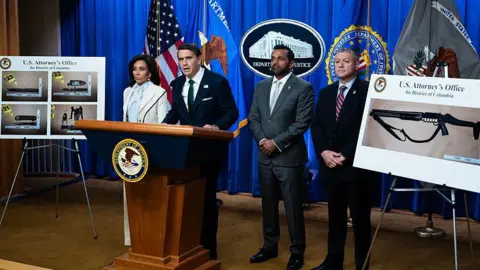
The legal proceedings related to the shooting have proceeded with unusual restraint in their language and specificity. Court filings typically contain detailed allegations against suspects, laying out the facts that prosecutors intend to prove beyond a reasonable doubt. However, in this case, the documents appear to have been drafted with particular care, neither directly accusing the suspect of firing the fatal shot nor providing explicit details about the forensic evidence that might link them to the incident. This approach suggests either that the evidence is still being compiled, or that prosecutors are taking a measured approach to avoid prejudicing the case.
Investigators have been working diligently to reconstruct the events of the evening and determine exactly what occurred in the moments leading up to and following the shooting. The presence of numerous security personnel, journalists, political figures, and other attendees at the dinner means that there were potentially numerous witnesses to interview. Each witness account provides another piece of the puzzle, though conflicting or unclear testimonies can complicate the investigation considerably.
The shooting has raised significant questions about security protocols at major political events and whether current procedures are sufficient to prevent such incidents. The Secret Service has come under scrutiny in recent years regarding various aspects of its operations, and this incident adds another dimension to ongoing discussions about agency effectiveness and resource allocation. Security experts have noted that protecting public figures while also maintaining access for media and other necessary participants creates inherent challenges.
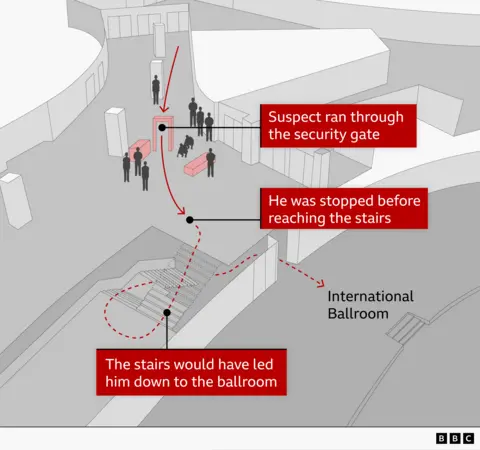
The absence of an explicit accusation in court documents does not necessarily indicate weakness in the case against the suspect. Rather, it may reflect prosecutorial strategy or the early stage of legal proceedings. Attorneys often draft documents carefully to avoid statements that might be challenged later or that could undermine their case. Additionally, sealed portions of court filings may contain more specific allegations that are not yet part of the public record.
Official statements denying that the incident involved friendly fire are particularly notable because they provide crucial information about the nature of the threat. If the shooting had been accidental fire from security personnel, it would suggest one set of implications for event security. The fact that authorities have explicitly ruled this out indicates they believe the incident involved either a breach of security or an intentional act by someone present at the event. This distinction has significant implications for how security procedures might need to be revised going forward.
The investigation into the shooting has reportedly involved multiple law enforcement agencies working in coordination with each other. The Secret Service itself has an internal investigation division, while the Federal Bureau of Investigation and local law enforcement agencies may also be involved depending on jurisdictional questions. This multi-agency approach ensures that expertise from various sources can be brought to bear on the case and that all relevant leads are pursued thoroughly.
As the case proceeds through the court system, additional documents will likely be filed that provide more information about the evidence, witness testimony, and the direction of the prosecution. Preliminary hearings, motion proceedings, and eventual trial preparation will all contribute to a more complete public picture of what occurred. The media and public interest in the case suggests that significant details will eventually emerge through the judicial process.
The Secret Service officer who was shot has reportedly been receiving treatment for injuries sustained during the incident. Information about their condition and recovery has been limited out of privacy concerns and operational security considerations. The incident has undoubtedly had a personal impact on the officer and their family, while also affecting the broader agency's operations and morale.
Looking forward, the outcome of this investigation and any subsequent legal proceedings will have important implications for security practices at future high-profile events. Lessons learned from this incident will inform training, equipment procurement, and procedural decisions within the Secret Service and other agencies responsible for protecting political figures and major events. The balance between security and access remains a central challenge in planning and executing such gatherings.
As details continue to emerge regarding the Trump dinner shooting incident, the careful language of court documents and the measured statements from officials suggest that this case will remain a subject of intense scrutiny and analysis. The distinction between what has been explicitly stated and what remains unclear in the public record underscores the complexity of investigating and prosecuting cases involving high-profile figures and sensitive security matters. Until more comprehensive details are released, questions about what exactly occurred and who was responsible will continue to drive public and media interest in the investigation.
Source: BBC News


