
Seven Far-Right Activists Banned From UK Rally

Home Secretary blocks international attendees from Tommy Robinson's Unite the Kingdom event in London. PM Starmer vows zero tolerance for extremist agitators.
The United Kingdom has taken decisive action against international far-right activists attempting to participate in a controversial rally scheduled for central London. Seven individuals have been prevented from entering the country by Home Secretary Shabana Mahmood, marking a significant enforcement of strict border controls against extremist movements. This move represents the government's commitment to maintaining public order and preventing the amplification of divisive ideologies within British borders.
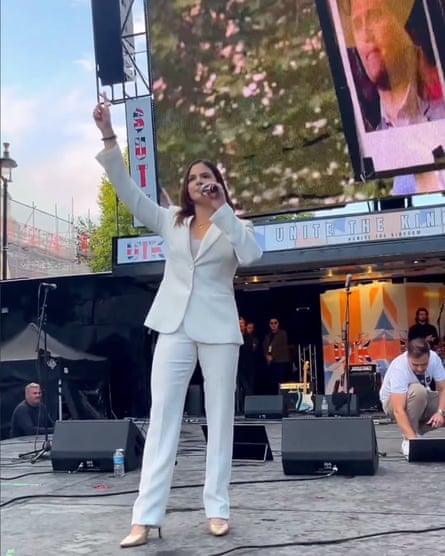
Prime Minister Keir Starmer made a powerful statement on Monday, declaring that his government would systematically block what he termed "far-right agitators" from attending the Unite the Kingdom event, scheduled for Saturday, 16 May. The rally is being organised by Tommy Robinson, the activist whose real name is Stephen Yaxley-Lennon, a controversial figure with a lengthy history of involvement in far-right movements and contentious activism. Starmer's firm stance signals the administration's zero-tolerance approach toward extremism and potentially destabilizing gatherings that could incite division or violence.
The decision to bar these seven individuals reflects heightened security protocols and intelligence-gathering efforts by British authorities. The government has evidently conducted thorough vetting procedures to identify and prevent international supporters of far-right movements from entering the UK. These proactive measures demonstrate the seriousness with which the Home Office is treating the potential risks associated with large-scale gatherings of extremist sympathizers and the need to protect public safety.

Tommy Robinson, whose real identity is Stephen Yaxley-Lennon, has been a polarizing figure in British far-right circles for over a decade. His previous activities have included founding the English Defence League and co-founding Pegida UK, both organizations known for their inflammatory rhetoric and controversial public demonstrations. Robinson's rallies and events have frequently attracted international attention and participation, making border enforcement particularly important for preventing the convergence of extremist movements across national boundaries.
The Unite the Kingdom event represents yet another platform for Robinson to mobilize supporters and amplify far-right messaging within the United Kingdom. Starmer's preemptive action against international participants suggests the government is determined to minimize the scale and impact of such gatherings. By preventing foreign attendees from crossing British borders, authorities aim to disrupt the networking and coordination that often occurs at these types of events, which can strengthen connections between extremist groups across different countries.
Home Secretary Shabana Mahmood's exercise of border control powers demonstrates the government's willingness to use available legal tools to address security concerns. Immigration law in the UK provides authorities with discretion to refuse entry to individuals deemed a threat to national security or public order. The application of these powers in this context reflects the government's assessment that certain individuals posed sufficient risk to warrant exclusion from the country during this period.
The broader context of this action involves ongoing tensions surrounding extremist demonstrations and the balance between freedom of expression and public safety. While British law protects the right to peaceful assembly and protest, government officials maintain that they have a corresponding duty to prevent gatherings that may incite hatred or violence. The decision to bar international participants from this particular rally reflects this delicate balancing act between civil liberties and security imperatives.
Starmer's statement on Monday represented an unusually direct and forceful commitment from the prime minister regarding a specific rally. Political observers noted that this level of attention to a particular demonstration underscored the government's concern about the potential implications of this event. The prime minister's personal involvement in articulating the government's response suggested that authorities viewed this gathering as particularly significant in terms of its potential to mobilize or inspire extremist activity.
The prevalence of international far-right networks has been a growing concern for law enforcement and intelligence agencies across Western democracies. Extremist movements increasingly utilize digital platforms to coordinate across borders and share ideological material, making it difficult for any single nation to contain the spread of far-right ideology. However, controlling physical gatherings remains an important tool in disrupting the in-person networking and radicalization that occurs at rallies and demonstrations.
The seven individuals barred from the UK would likely have traveled considerable distances to attend this event, suggesting they held significant commitment to Robinson's cause and the broader far-right movement. Their prevention from entering the country eliminates not only their direct participation but also reduces the international profile and reach of the gathering. This approach reflects a strategy of gradually reducing the resources, participation, and visibility available to far-right organizers and their movements.
Civil liberties organizations and free speech advocates have often expressed concern about government restrictions on assembly and travel, even when applied to extremist groups. These organizations argue that robust protections for unpopular speech and assembly are essential to democratic societies, and that government restrictions, even against disliked groups, can establish precedents for broader restrictions in the future. However, supporters of the government's action counter that preventing entry to individuals associated with violent extremism is a proportionate and necessary response to genuine security threats.
The decision to block these international participants comes amid broader government efforts to address extremism in the UK. The Starmer administration has indicated that tackling far-right radicalization is a priority, with various government departments working on strategies to disrupt extremist recruitment and mobilization. This includes not only immigration enforcement but also countering online propaganda, supporting deradicalization programs, and working with local communities to prevent the spread of extremist ideology.
The Unite the Kingdom rally on 16 May was expected to draw participants from across the UK and potentially internationally, making the event a focal point for far-right activism. By preventing seven international attendees from entering the country, authorities have made clear that they are actively monitoring and disrupting these gatherings at every stage. The timing of the announcement, made several days before the event, also serves as a deterrent to other potential international participants who may be considering attending.
Looking forward, this action may establish a pattern for how the British government handles large-scale far-right demonstrations and the participation of international extremists. The success or challenges encountered in implementing these border restrictions may inform future policy decisions regarding immigration enforcement and national security. As far-right movements continue to evolve and utilize new platforms for organization and coordination, governments across Western democracies are experimenting with various approaches to limiting their influence and preventing violence.
Source: The Guardian


