
Shakira, Madonna & BTS Set World Cup Final Stage

Shakira, Madonna and BTS will headline the first-ever World Cup final half-time show at MetLife Stadium on July 19, curated by Coldplay's Chris Martin.
In a groundbreaking decision that marks a historic shift in World Cup entertainment traditions, FIFA has officially announced that Shakira, Madonna, and the global phenomenon BTS will headline the inaugural half-time show at the World Cup final. The spectacular performance will take place on July 19 at MetLife Stadium in East Rutherford, New Jersey, bringing together three of music's most iconic and influential artists for what promises to be an unforgettable moment in football history.
The announcement, made by FIFA on Thursday, represents a significant evolution in how the world's most prestigious football tournament celebrates its championship match. Previously, World Cup finals had featured modest entertainment segments during the break, but this new format draws inspiration from the elaborate Super Bowl half-time shows that have become cultural phenomena in their own right. The decision signals FIFA's commitment to creating a more comprehensive entertainment experience that appeals to both devoted football fans and music enthusiasts watching from around the globe.
Coldplay frontman Chris Martin has been tapped as the creative curator overseeing the entire entertainment production. Martin's involvement brings credibility and artistic vision to the project, as the British musician and his band have consistently demonstrated their ability to deliver large-scale, technically sophisticated performances that captivate audiences worldwide. His role goes beyond simply coordinating the artists; he is responsible for crafting a cohesive narrative and seamless experience that ties together the distinct styles and personas of Shakira, Madonna, and BTS.
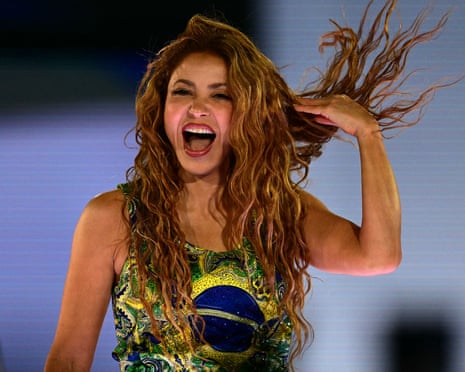
Colombian superstar Shakira brings her signature Latin energy and global appeal to the lineup. Just last week, the "Hips Don't Lie" singer teased the release of a new official tournament song, hinting at her deep involvement in the World Cup's musical landscape. Shakira's inclusion is particularly significant given her massive following across Latin America, Europe, and beyond, making her one of the most commercially successful Latin artists of all time. Her infectious rhythms and dynamic stage presence are expected to energize the crowd and set a festive tone for the celebration.
Madonna, the undisputed "Queen of Pop" and pioneer of musical reinvention, brings decades of experience commanding the world's largest stages. The iconic performer has consistently pushed boundaries throughout her career, and her participation in this historic performance underscores the global significance FIFA has placed on the event. At a time when her legacy continues to influence contemporary pop music, Madonna's presence at the World Cup final half-time show cements her status as a transcendent artist whose impact transcends generational boundaries.
BTS, the seven-member South Korean K-pop sensation, represents the new generation of global music superstars who have leveraged digital platforms and social media to build a fanbase that spans continents. The group's devoted followers, known as ARMY, are known for their passionate engagement and cultural influence. BTS's inclusion in the lineup acknowledges the seismic shift in global music consumption and the undeniable cultural moment that K-pop represents on the world stage.

The announcement of this star-studded lineup has generated considerable excitement among football and music fans alike, though it has simultaneously sparked discussions about practical considerations surrounding the expanded entertainment format. One of the primary concerns being raised involves the duration of the half-time show itself and how it might affect the traditional flow and timing of the match. Football matches have maintained a consistent structure for generations, with a 15-minute halftime break designed to allow players to rest, rehydrate, and receive tactical instructions from coaches.
Industry observers and football purists have raised legitimate questions about whether accommodating a Super Bowl-style half-time spectacular could potentially extend the intermission beyond its traditional length. This concern stems from practical considerations: mounting a high-production performance featuring three major artists requires time for stage setup, costume changes, technical coordination, and proper execution. The additional time needed could result in a longer break than players and coaches are accustomed to, potentially affecting match rhythm and player conditioning.
FIFA has not yet publicly addressed these timing concerns, though the organization appears committed to making the show work within the existing match framework. The logistics of coordinating such an elaborate performance while maintaining the integrity and flow of the final match represent a significant operational challenge that FIFA's event planning team will need to navigate carefully. The balance between creating a spectacular entertainment moment and preserving the sanctity of the competition will be crucial to the show's success.
Shakira's recent teasing of a new official tournament song adds another layer of intrigue to her role in the half-time show. The track is expected to become the latest in a long line of World Cup anthems that have become embedded in popular culture. Official World Cup songs have historically served as unifying musical moments that capture the spirit of the tournament, and Shakira's contribution to this tradition continues her rich history with FIFA, having previously performed at World Cup events.
The selection of MetLife Stadium as the venue for this inaugural World Cup final performance is fitting given the venue's capacity to host massive events and its state-of-the-art technical capabilities. The stadium, located in the New York metropolitan area, has hosted numerous high-profile sporting and entertainment events, making it an ideal setting for a production of this magnitude. The venue's infrastructure and resources will be essential in executing the complex technical requirements of coordinating three major artists in a seamless performance.
This historic moment represents a watershed moment in how FIFA envisions the future of World Cup entertainment and audience engagement. By bringing together artists from different musical genres and global regions—Latin pop, pop music legend, and K-pop—FIFA is making a statement about the truly global nature of modern football fandom. The World Cup has always been a tournament that transcends national boundaries, and this entertainment lineup reflects that universal appeal.
Chris Martin's curation of the show suggests that the performance will be more thoughtfully conceived than simply having three artists perform back-to-back sets. Martin's artistic sensibility and experience with Coldplay's elaborate touring productions indicate that he will likely weave the performances together thematically, creating narrative arcs and technical transitions that showcase each artist while maintaining momentum throughout. His involvement elevates the production from a simple entertainment segment to a fully realized artistic statement.
As the World Cup final approaches, speculation will undoubtedly continue regarding what surprises might be in store for viewers. The prospect of unexpected collaborations, special guest appearances, or groundbreaking technical elements adds to the anticipation. Whether the show will include performances of the official tournament song, each artist's greatest hits, or specially commissioned pieces remains to be seen, but the combination of Shakira, Madonna, and BTS virtually guarantees an unforgettable performance that will be discussed and analyzed for years to come.
The decision to implement a Super Bowl-style half-time show at the World Cup final signals FIFA's commitment to evolving with contemporary entertainment expectations. While traditionalists may have reservations about departing from long-established conventions, the organization clearly believes that expanding the entertainment dimensions of the event enhances rather than detracts from the overall experience. This bold move positions the 2026 World Cup final as a landmark moment in sports entertainment history, where football excellence will be complemented by world-class musical performances.
Source: The Guardian


