
Ship Passengers Quarantined After Andes Virus Case

US cruise ship passengers quarantined following confirmed Andes virus case. Health officials assess public risk as very low despite positive test.
A cruise ship carrying US passengers has been placed under quarantine protocols after health authorities confirmed a case of Andes virus, a rare and potentially serious strain of hantavirus. The discovery has prompted swift action from medical officials and ship operators, though authorities emphasize that the overall risk to the general public remains minimal. The infected passenger is currently receiving appropriate medical care, while another individual aboard the vessel is being monitored for mild symptoms consistent with the virus.
The hantavirus infection was identified during routine health screening procedures conducted by federal health officials who were notified of potential cases among the ship's passenger manifest. This marks a notable incident in the cruise industry, where communicable disease protocols have become increasingly stringent in recent years. The affected passengers are being isolated in designated medical facilities aboard the vessel, with continuous monitoring provided by the ship's medical staff and coordinating health authorities.
Officials from the Centers for Disease Control and Prevention (CDC) and other relevant health agencies have been actively involved in assessing the situation and implementing appropriate containment measures. According to statements from health officials, the public health risk remains very low, as the virus transmission typically occurs through exposure to infected rodent droppings rather than through direct person-to-person contact. The assessment provides reassurance to other passengers and crew members aboard the ship, as well as to port communities where the vessel may dock.
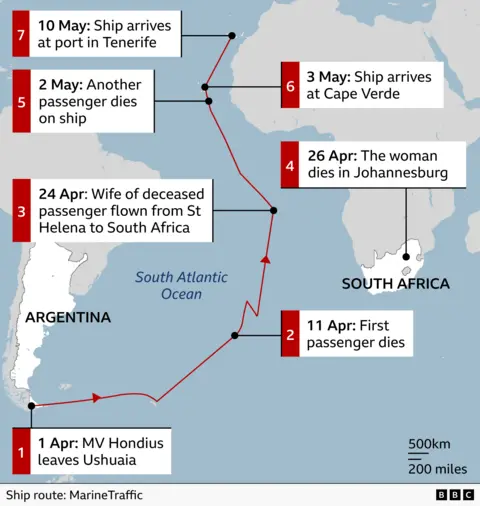
The Andes virus is a particularly concerning pathogen because it belongs to the hantavirus family, which can cause severe respiratory illness in humans. However, cases of Andes virus infection in the United States remain extremely rare, making this incident noteworthy from an epidemiological perspective. The virus is primarily found in South America, particularly in regions of Chile and Argentina, though cases have occasionally been documented in other parts of the world, including North America.
Health officials have implemented comprehensive quarantine measures to prevent any potential spread among the passenger population and crew members. All individuals who had close contact with the confirmed case are being monitored closely for any signs of illness. The ship's ventilation systems and common areas have undergone thorough disinfection protocols to ensure the safety of all individuals aboard the vessel.
The second passenger displaying mild symptoms is being tested to determine whether they have contracted the same virus or are experiencing symptoms from an alternative cause. Initial assessments suggest that the symptoms are consistent with early-stage hantavirus infection, though laboratory confirmation is still pending. Health officials remain cautious in their approach, prioritizing the wellbeing of both the symptomatic passenger and the broader ship population.
Communication between cruise ship operators, federal health agencies, and local port authorities has been seamless, with all parties coordinating to ensure appropriate response measures. The ship's captain and medical team have been praised for their swift action in reporting the suspected cases and cooperating fully with health investigations. Passengers have been provided regular updates about the situation, and detailed protocols have been established for any potential port calls or passenger disembarkation procedures.
The disease containment strategy employed in this situation reflects current best practices developed by health authorities following decades of experience with communicable diseases aboard vessels. The measures include isolation of affected individuals, enhanced sanitation procedures, distribution of protective equipment where necessary, and continuous health monitoring of all individuals aboard. These protocols are designed to minimize transmission risk while maintaining the wellbeing and comfort of the broader passenger population.
Experts note that the rarity of Andes virus cases in the United States should not be cause for alarm, as the virus requires specific exposure pathways to human hosts. The primary transmission mechanism involves inhalation of aerosolized particles from infected rodent waste, making person-to-person transmission extremely unlikely outside of very close contact with bodily fluids. This epidemiological reality underlies official assessments that public risk remains very low despite the confirmed infection aboard the vessel.
The cruise ship industry has developed increasingly sophisticated health monitoring systems in recent years, particularly following the global pandemic that disrupted travel worldwide. Modern vessels are equipped with advanced medical facilities, diagnostic capabilities, and trained medical personnel who can rapidly identify and respond to potential health threats. This particular incident demonstrates the effectiveness of these systems in detecting and isolating cases before they can spread more widely.
Passengers who had direct contact with the confirmed case are being provided with comprehensive information about symptoms to monitor and resources for seeking medical care if needed. Health officials have emphasized that most individuals exposed to the virus do not develop illness, and those who do typically recover with appropriate medical treatment. The psychological impact of quarantine procedures has also been considered, with cruise operators providing entertainment options and counseling services to affected passengers during their isolation period.
Ongoing investigation into the source of the infection is underway, with health officials attempting to determine whether the passenger contracted the virus before boarding the ship or through some other means. Understanding the transmission pathway could provide valuable insights into how the virus might be spreading and what additional precautions may be necessary. Environmental samples from areas frequented by the infected passenger are being collected and analyzed as part of this investigation.
The incident serves as a reminder of the importance of maintaining robust public health surveillance systems and rapid response capabilities in the modern era. Travel-related disease transmission has become an increasingly important concern for health authorities worldwide, given the volume of international movement and the potential for pathogens to spread across borders. The coordinated response to this Andes virus case exemplifies how multiple agencies can work together effectively to contain potential threats.
Looking forward, health officials plan to continue monitoring the situation closely and will provide updates as laboratory results become available. The cruise ship company has committed to cooperating fully with all health investigations and implementing any additional measures recommended by federal health authorities. Passengers and the general public are encouraged to remain vigilant for any symptoms and to seek medical attention if concerns arise, though the overall assessment remains that risk to the broader population is minimal.
Source: BBC News


