
Sierra Leone's First Lady: From Child Marriage to Power

Exclusive BBC World Service investigation into the remarkable journey of Africa's most influential political woman who escaped child marriage to become Sierra Leone's first lady.
In the heart of West Africa, one woman's extraordinary journey from vulnerability to political prominence has captivated international attention and challenged conventional narratives about power, resilience, and leadership on the African continent. Her story represents far more than a personal triumph; it embodies the struggles faced by millions of women across Africa who navigate deeply entrenched cultural traditions while striving for education, autonomy, and meaningful change within their societies.
This BBC World Service exclusive provides an intimate look into the private world of one of Africa's most powerful political women, whose ascent to becoming Sierra Leone's first lady defied the rigid expectations placed upon her from childhood. Her narrative challenges stereotypes and illuminates the complex intersection of tradition, modernization, and personal agency that defines contemporary African leadership. The investigation reveals details previously undisclosed about her early life, her relationships, and the pivotal moments that shaped her trajectory toward political prominence.
Born into a context where child marriage remained a common practice despite its legal prohibition, she faced pressures familiar to countless young girls across the region. Her family, like many others, confronted economic hardship and social norms that positioned early marriage as a viable solution to financial instability. The prospect of being married off to an older man—described in her own words as "an old pervert"—represented not merely a loss of childhood, but a termination of her educational aspirations and personal autonomy.
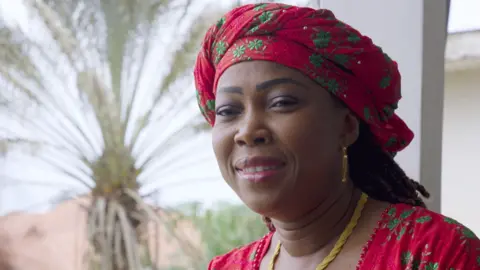
The first lady's decision to resist this predetermined path required extraordinary courage and determination. In societies where familial obedience and adherence to cultural traditions are deeply valued, her refusal to accept the arranged marriage placed her in direct confrontation with her family, her community, and the historical patterns that governed women's roles. This act of defiance, while ultimately liberating, came at considerable personal cost, including estrangement from family members and social ostracization during critical formative years.
Her commitment to education became the vehicle through which she redirected her future. While her peers were being prepared for domestic roles, she pursued academic excellence with single-minded focus. The obstacles were formidable: limited access to quality education in her region, economic constraints that made schooling a luxury many families could not afford, and persistent social attitudes that questioned the value of educating girls. Despite these barriers, she persevered, eventually accessing educational opportunities that would eventually position her for leadership roles.
The path from rural Sierra Leone to the office of first lady was neither linear nor inevitable. Her rise coincided with broader political movements within Sierra Leone that increasingly recognized the necessity of women's participation in governance and public life. However, her entry into political circles was not merely facilitated by systemic change; rather, she actively shaped the discourse around women's empowerment and political engagement within her nation.
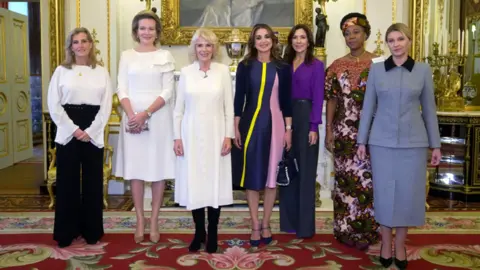
As Sierra Leone's first lady, she has leveraged her position to advocate for issues directly connected to her own experiences and those of millions of African women. Her platforms have addressed education access, the elimination of child marriage practices, women's health initiatives, and economic empowerment programs designed to provide alternatives to early marriage. These initiatives reflect not abstract policy commitments but deeply personal commitments rooted in her understanding of the mechanisms that perpetuate cycles of poverty and limited opportunity for women.
The BBC World Service investigation delves into her private life, exploring the relationships she has cultivated, the mentors who supported her journey, and the personal sacrifices inherent in her rise to prominence. Her relationships with family members—some supportive, others initially resistant—illuminate the complex dynamics within families grappling with modernization and changing gender roles. The investigation also examines her partnership with her husband, the sitting president, and how their relationship reflects evolving dynamics of power sharing and mutual respect within marriage.
Her advocacy work extends beyond symbolic gestures. In her role as first lady, she has directly influenced policy initiatives aimed at strengthening legal protections against child marriage, expanding educational access for girls in underserved regions, and creating economic opportunities that reduce the economic incentives driving the practice. These efforts operate within complex political contexts where tradition and modernization exist in constant tension, requiring diplomatic skill and strategic acumen.
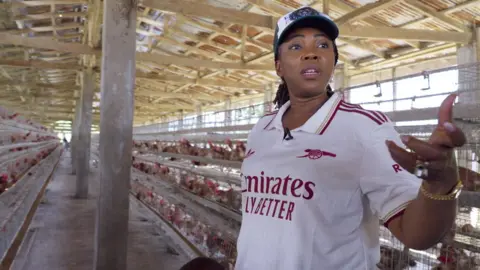
The resonance of her story across Africa reflects a broader hunger for leadership examples that emerge from authentic struggle rather than privilege. Unlike some political figures whose ascent is facilitated by family wealth or inherited position, her journey required sustained personal resilience, strategic decision-making, and an unwavering commitment to her own agency. This authenticity has made her a compelling figure for African women navigating their own negotiations between tradition and aspiration.
Her influence extends into informal spaces where policy rarely penetrates. Through community engagement, dialogue with traditional leaders, and work with grassroots organizations, she has helped reframe conversations about women's roles, girls' education, and the cultural practices that limit women's opportunities. These interventions operate at the intersection of political leadership and social activism, recognizing that sustainable change requires engagement at multiple levels of society.
The BBC World Service exclusive also examines the international dimensions of her work, including partnerships with global organizations focused on women's rights and development. Her advocacy has attracted international support and resources that have amplified her capacity to implement programs at scale. However, she has navigated these international relationships carefully, avoiding the pitfalls of being perceived as a Western-backed imposer of foreign values, instead framing her advocacy within African contexts and local knowledge systems.
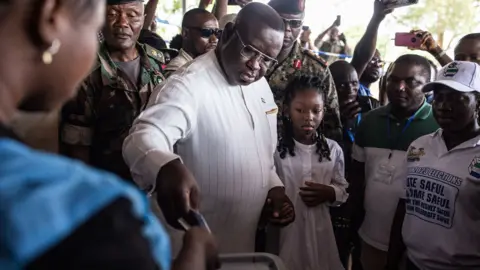
Her story also illuminates the personal toll of public prominence for women in African political contexts. The intense scrutiny applied to female political figures, the gendered expectations about appearance and demeanor, and the persistent skepticism about women's capabilities in leadership positions create pressures distinct from those faced by male counterparts. Her navigation of these dynamics reveals strategies for maintaining personal integrity while operating within political systems that were not designed with women's leadership in mind.
Looking forward, her continued prominence within Sierra Leone's political landscape suggests expanding opportunities for women's political participation across the West African region. Her example has inspired younger women to pursue education and leadership roles, demonstrating that escape from limiting traditional paths is possible, even when those paths have been reinforced across generations. The ripple effects of her choices extend far beyond her individual achievements, potentially reshaping possibilities for millions of girls facing similar circumstances.
The comprehensive BBC investigation into her private world ultimately presents a portrait of a woman whose personal history informs her political commitments and whose political influence continues to be shaped by the authentic connection between her lived experience and her advocacy priorities. Her transformation from a girl facing forced marriage into one of Africa's most powerful political women represents not merely individual success but a potential harbinger of transformed possibilities for women across the continent who challenge restrictive traditions while building new models of leadership grounded in authentic struggle and sustained commitment to structural change.
Source: BBC News


