
Sierra Leone Singer Imprisoned in Free Speech Crackdown

Activists and lawyers demand release of Zainab Sheriff, jailed for four years on incitement charges in what critics call political persecution.
The detention of Zainab Sheriff, one of Sierra Leone's most prominent entertainers, has ignited a firestorm of criticism from international human rights organizations, legal experts, and political figures who argue her conviction represents a troubling escalation in government suppression of dissent. Sheriff, who transitioned from her successful music career into reality television and eventually became a vocal political opposition figure, now sits behind bars following an April sentencing that critics universally condemn as politically motivated and unjust.
The 22-month prison term imposed on Sheriff encompasses charges of incitement and threatening language, accusations that legal analysts and free speech advocates argue lack substantive merit and appear designed to silence her outspoken criticism of government policies. Her supporters contend that the charges represent a dangerous precedent in Sierra Leone's recent history, where political opposition and public dissent have increasingly become subject to criminal prosecution. The case has drawn international attention from organizations monitoring human rights violations and democratic backsliding in West Africa.
Lawyers specializing in constitutional and criminal law have stepped forward to challenge the legitimacy of Sheriff's conviction, arguing that her statements, while provocative and politically charged, fell well within the bounds of protected speech under international conventions that Sierra Leone has formally ratified. These legal professionals point to inconsistencies in how the government applies sedition and incitement laws, with critics noting that similarly heated rhetoric from government supporters typically goes unpunished. The differential application of justice, they argue, exposes the political nature of the prosecution.
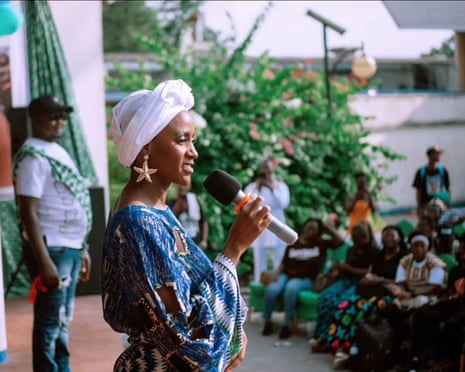
Sheriff's journey from entertainment celebrity to political dissident reflects broader tensions within Sierra Leone's democratic institutions. As a successful recording artist and television personality, she commanded significant public attention and influence, particularly among younger demographics increasingly engaged with social and political issues. Her transition into political commentary and opposition activism placed her on a collision course with authorities who appeared determined to neutralize her voice and restrict her platform. This evolution underscores how freedom of expression remains contested territory in post-conflict West African nations.
The timing of her arrest and prosecution has raised alarm bells among observers who track patterns of authoritarian behavior in developing democracies. Her detention came amid a broader context of increased government pressure on journalists, activists, and opposition figures in Sierra Leone, suggesting a coordinated strategy rather than isolated legal action. International monitoring organizations have documented a troubling uptick in politically-motivated arrests and prosecutions that appear designed to suppress opposition voices ahead of critical electoral periods.
Prominent politicians from opposition parties have become vocal advocates for Sheriff's release, characterizing her imprisonment as an affront to democratic principles and constitutional protections. These political figures argue that her case exemplifies how the ruling party has weaponized the criminal justice system to eliminate political rivals and discourage public opposition. They contend that suppression of dissent through legal persecution fundamentally undermines Sierra Leone's democratic institutions and invites international criticism.

Civil society organizations across Africa have mobilized to support Sheriff's case, releasing joint statements condemning her conviction and calling for immediate release. These groups emphasize that her prosecution violates fundamental principles enshrined in the African Charter on Democracy, Elections and Governance, which Sierra Leone endorsed. The mobilization of regional and international pressure represents a crucial counterweight to government efforts to isolate and silence opposition voices within the country's borders.
The specifics of the charges against Sheriff remain contentious, with legal experts dissecting the language and context of her statements to demonstrate their political rather than criminal nature. Prosecutors alleged that her comments constituted incitement to violence or rebellion, yet detailed legal analysis suggests her rhetoric, while sharp and critical, targeted government policies and leadership rather than calling for actual violence. This distinction matters enormously under international human rights law, which protects political speech even when provocative or offensive.
Sheriff's case has become emblematic of broader concerns about the rule of law in Sierra Leone, where government actors appear willing to abuse legal mechanisms to pursue political objectives. Legal scholars warn that tolerating such abuses establishes dangerous precedents that invite escalating governmental overreach. Once authorities demonstrate their willingness to imprison political opponents on dubious charges, the barriers to further suppression deteriorate, creating an increasingly hostile environment for legitimate opposition activity.
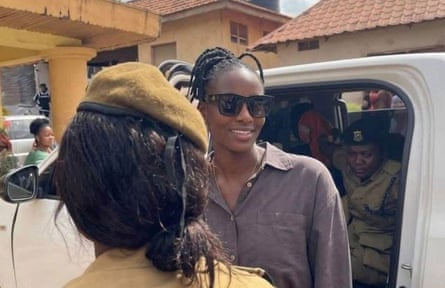
The economic and social dimensions of Sheriff's imprisonment extend beyond the individual case. Her removal from public life represents a significant loss for Sierra Leone's cultural and entertainment sectors, where her prominence and artistic contributions had value. Additionally, her detention sends a chilling message to other potential activists, performers, and public figures considering whether to engage in political commentary, potentially silencing voices that would otherwise contribute to robust democratic discourse.
International diplomatic channels have begun engaging with Sierra Leone's government on the Sheriff case, with foreign governments and multilateral organizations expressing concern about the trajectory of political freedom and judicial independence. These interventions carry potential consequences for Sierra Leone's international standing and relationships, though it remains uncertain whether external pressure will influence government decision-making. The government has thus far shown little willingness to reconsider the conviction or pursue clemency.
Moving forward, observers anticipate that appellate and higher court processes will provide opportunities to challenge the conviction on constitutional and procedural grounds. However, confidence in judicial independence remains low, with critics questioning whether courts can provide meaningful review given apparent executive influence over the judicial branch. The ultimate resolution of Sheriff's case will likely serve as a definitive indicator of whether Sierra Leone's democratic institutions can resist authoritarian pressures or will continue deteriorating under government suppression of opposition voices.
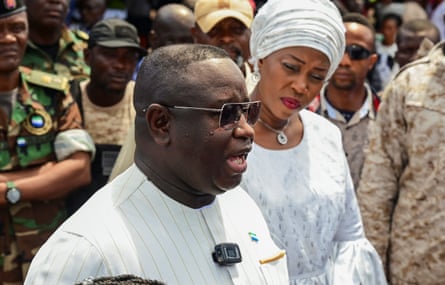
The global significance of Sheriff's case extends beyond Sierra Leone's borders, representing a test case for how West African democracies navigate tensions between security concerns and fundamental freedoms. Her imprisonment highlights persistent challenges in post-conflict societies where democratic institutions remain fragile and where political actors may resort to authoritarian tactics despite formal commitments to democratic governance. The international community's response to her case will influence how other governments in the region perceive the costs and consequences of democratic backsliding.
Source: The Guardian


