
Silo Season 3 Teaser Reveals Lush Green Past

Apple TV's Silo S3 teaser takes viewers back centuries to the silo community's idyllic origins. Discover what the first glimpse reveals about this dystopian drama's future.
The second season of Apple TV's acclaimed dystopian sci-fi drama Silo concluded with a dramatic cliffhanger that left audiences questioning the fate of several major characters. Now, the streaming platform has released the highly anticipated first teaser for season three, offering viewers a tantalizing glimpse into the show's past. Rather than moving the narrative forward, the teaser takes an intriguing approach by rewinding through events from the previous two seasons, ultimately revealing a striking visual contrast: the lush green world of the silo community's early days, centuries before the events depicted in the series.
This narrative technique of looking backward before moving forward serves as an effective storytelling device, establishing a thematic foundation for what's to come in the third season. The imagery of verdant landscapes and seemingly utopian conditions stands in stark contrast to the claustrophobic underground environment where most of the series unfolds. Apple TV has carefully crafted this teaser to maintain viewer interest during the gap between seasons while providing tantalizing hints about the broader mythology of the Silo universe.
The show is based on the acclaimed trilogy of novels written by author Hugh Howey, whose imaginative world-building has translated remarkably well to the screen. The adaptation captures the essence of Howey's vision while expanding certain narrative elements for television audiences. The source material's rich backstory and complex themes have proven fertile ground for the show's creators to develop compelling character arcs and explore existential questions about survival, governance, and human nature.

(Spoilers for the first two seasons below.)
Set in a self-sustaining underground city, Silo presents a world where approximately 10,000 residents live in a rigidly structured community governed by strict rules and protocols. The inhabitants' recorded history extends back only 140 years, creating an artificial timeline that raises questions about what came before and what lies beyond their subterranean home. Outside the silo lies what the residents believe to be a toxic, inhospitable hellscape—a barren wasteland that kills anyone exposed to it. However, this outside world is only visible to residents through large screens located in the silo's topmost level, adding an element of visual distance and mystery to what exists beyond their protective walls.
The community operates under a peculiar social contract that has become one of the series' most compelling and darkly ironic elements. Anyone who expresses the desire to "go out"—to venture beyond the silo's boundaries—is immediately granted their wish with a kind of terrible civility. These volunteers are equipped with environment suits and sent outside on a one-way mission ostensibly to clean the external cameras that provide the silo's only view of the outside world. This ritualistic practice maintains the community's facade of respecting individual choice while simultaneously serving as a form of population control and exile.

What makes this premise particularly sinister is the inevitable outcome: those sent outside to clean the cameras invariably die within hours, succumbing to the supposedly toxic environment. The community has rationalized this cruel practice as both a merciful accommodation of individual desire and a necessary mechanism for maintaining social order. Citizens who have become disillusioned or rebellious are granted their wish to leave, solving the problem of dissent while maintaining the appearance of freedom and choice. This moral complexity has become central to the show's appeal, forcing viewers to grapple with difficult ethical questions about freedom, society, and the nature of truth.
The revelation that the outside world may not be as toxic or inhospitable as the silo's residents believe has become a driving force in the narrative. Over the course of the first two seasons, characters have begun discovering evidence that contradicts the official narrative, suggesting that the silo's leaders have been deliberately deceiving the population. This theme of hidden truth and institutional deception resonates throughout the series, as characters risk everything to uncover what really happened before the recorded 140-year history and what conditions actually exist beyond the silo's protective dome.
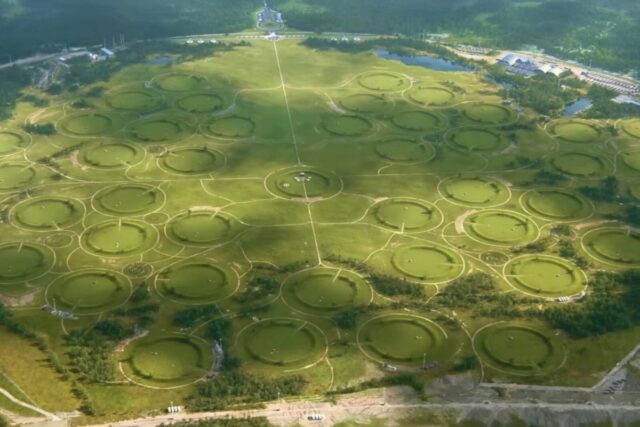
The second season's cliffhanger has left numerous plot threads unresolved and character fates ambiguous, creating significant anticipation for the show's continuation. The season three teaser suggests that the narrative will expand to provide context and backstory that enriches the present-day struggles of the silo's inhabitants. By showing the lush, green origins of the community, the show's creators are building a mythology that spans generations and reveals the stark transformation from an apparently verdant and healthy environment to the resource-scarce underground existence of the present day.
This narrative expansion reflects the show's commitment to complex storytelling that doesn't simply rely on survival drama or interpersonal conflict, but instead engages with larger questions about human civilization, environmental catastrophe, and the stories societies tell themselves. The contrast between the green past and the claustrophobic present serves as a visual metaphor for loss—the loss of the natural world, the loss of freedom, and the loss of truth. As the series progresses toward its conclusion, these themes will likely become increasingly central to the characters' motivations and the show's ultimate message.

The response from critics and audiences to the first two seasons of Silo has been remarkably positive, with particular praise for the show's atmospheric direction, compelling performances, and the slow-burn mystery at the heart of the narrative. The series has managed to sustain tension and interest across multiple seasons while gradually revealing information that complicates the viewers' understanding of the world and its rules. As viewers await the release of season three, the teaser serves as a reminder of why the show has captured such a dedicated following and maintains such strong anticipation for its continued development.
Source: Ars Technica


