
Six Americans Exposed to Ebola in DR Congo

At least six Americans have been exposed to Ebola virus in the Democratic Republic of Congo, with one individual showing symptoms. Health authorities are monitoring the situation closely.
A concerning public health situation has unfolded in the Democratic Republic of Congo, where at least six American citizens have reportedly been exposed to the Ebola virus, according to multiple U.S. media outlets. The exposure incident has raised alarm bells among health officials and diplomatic personnel working in the region, prompting immediate investigation and monitoring protocols to be activated.
Among those exposed, one individual is reportedly experiencing symptoms consistent with Ebola infection, though the severity and current condition of this person remain unclear. Medical authorities have initiated comprehensive testing and observation procedures to determine whether this person has contracted the virus, which carries significant mortality rates depending on the strain involved. The identification of symptomatic individuals is critical in the early stages of potential outbreaks, as rapid diagnosis and isolation can prevent further transmission.
The Americans believed to have been exposed were likely working in or passing through areas affected by the ongoing Ebola outbreak in DR Congo. The Democratic Republic of Congo has experienced multiple Ebola epidemics in recent years, with the 2018-2020 outbreak being one of the deadliest on record outside of West Africa. Healthcare workers, humanitarian aid personnel, and diplomatic staff have been among those at highest risk of exposure in the conflict-affected eastern regions.
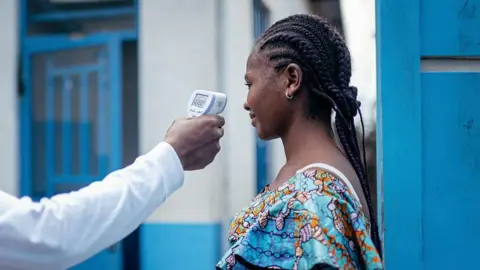
The Centers for Disease Control and Prevention (CDC) and the U.S. State Department have likely been coordinating with health officials in the Democratic Republic of Congo to manage this potential crisis. Standard protocols for Ebola exposure typically involve a 21-day monitoring period, during which exposed individuals are observed for the development of symptoms. The incubation period for Ebola can range from 2 to 21 days, making this extended observation window essential for determining whether infection has occurred.
Ebola virus disease remains one of the most serious infectious diseases threatening public health, characterized by sudden onset of fever, intense weakness, muscle pain, and headache. Subsequent symptoms may include rash, impaired kidney and liver function, and in some cases, internal and external bleeding. The fatality rate of Ebola can range from 25 percent to 90 percent depending on the virus strain and the quality of supportive care available.
The exposure of American personnel highlights the ongoing challenges facing medical and humanitarian workers operating in the Democratic Republic of Congo. The region has grappled with persistent security concerns, limited healthcare infrastructure, and frequent disease outbreaks that complicate international response efforts. These challenges have historically made it difficult to contain and control infectious diseases in affected areas.
Previous Ebola epidemics have demonstrated the importance of rapid response and international cooperation. The 2014-2016 West African Ebola epidemic resulted in over 11,000 deaths and exposed critical gaps in global health preparedness. Since that time, various nations and international organizations have invested in improving surveillance systems, training healthcare workers, and developing rapid response capabilities.
The Democratic Republic of Congo has been particularly vulnerable to Ebola outbreaks due to its geographic position along major wildlife corridors where the virus is believed to naturally persist in animal reservoirs. Fruit bats are suspected to be the primary natural host of the virus, and spillover events occur when humans come into contact with infected animals or their bodily fluids. Once the virus enters the human population, transmission can occur through direct contact with blood or other bodily fluids of infected individuals.
U.S. government agencies have established protocols for managing American citizens who may have been exposed to dangerous pathogens abroad. These procedures typically include quarantine measures, regular health monitoring, laboratory testing, and provision of medical care if symptoms develop. The diplomatic and medical infrastructure maintained by the United States in Africa allows for coordinated response efforts across multiple countries.
The situation underscores the persistent threat posed by emerging infectious diseases in regions with ongoing conflict and weak healthcare systems. International health organizations have repeatedly warned that such conditions create ideal circumstances for the emergence and rapid spread of novel pathogens. The COVID-19 pandemic reinforced these concerns, demonstrating how quickly infections can spread across borders when left unchecked.
Healthcare authorities in the Democratic Republic of Congo, in collaboration with international partners including the World Health Organization, have been working to strengthen disease surveillance and response capabilities. These efforts have included training local healthcare workers, establishing diagnostic laboratories, and developing community education programs to reduce transmission risk. However, these initiatives continue to face challenges related to funding, security, and infrastructure limitations.
As investigations into this exposure incident continue, health officials will be gathering detailed information about the circumstances of the exposure, the specific locations involved, and potential secondary exposures that may have occurred. Contact tracing efforts may be necessary to identify anyone else who might have been in contact with exposed individuals during the relevant time period. These investigative efforts are crucial for preventing any potential spread of the virus.
The exposure of these American citizens serves as a reminder of the risks faced by international personnel working in disease-affected regions. Organizations sending staff to these areas typically provide comprehensive training on infection control practices, proper use of protective equipment, and emergency procedures. Despite these precautions, exposure incidents continue to occur due to the unpredictable nature of viral transmission.
Ultimately, this incident highlights the critical need for continued investment in global health security, disease surveillance systems, and international cooperation frameworks. The emergence of infectious diseases does not respect political boundaries, and effective pandemic preparedness requires coordinated efforts across national borders. As the situation unfolds, healthcare professionals and government officials will remain vigilant in monitoring these exposed individuals and implementing appropriate containment measures.
Source: BBC News


