
Six Hantavirus Cruise Passengers Leave Hospital

Six passengers from the MV Hondius cruise ship have been discharged from Arrowe Park hospital and will continue isolation at home following hantavirus exposure.
In a significant development regarding the hantavirus outbreak connected to a cruise ship incident, six passengers have been cleared to leave Arrowe Park hospital in Wirral and continue their mandatory isolation period at home. Health officials have confirmed that all discharged individuals remain in good health with no symptoms present, marking an important milestone in the monitoring and containment efforts.
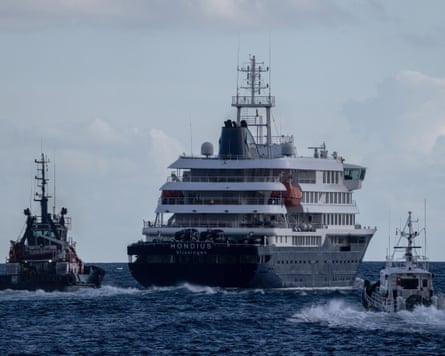
The passengers were originally aboard the MV Hondius, a vessel that became at the center of attention following reports of hantavirus exposure among travelers. Medical professionals at the specialized facility conducted thorough evaluations and diagnostic testing to assess the health status of those who had potentially come into contact with the virus. The decision to discharge these six individuals reflects confidence in their current condition and the effectiveness of the preventive measures implemented so far.
According to statements from health authorities, the discharged passengers will now transition to a structured home isolation protocol that is expected to continue for a total of 45 days from their initial exposure date. This extended isolation period is a standard precautionary measure designed to monitor for any delayed symptom development and to prevent potential transmission to family members or the wider community. Regular health monitoring and check-ins with medical professionals will remain part of their isolation routine.

The hantavirus containment strategy deployed by UK health officials has demonstrated a multi-layered approach to managing potential disease spread. The initial hospitalization at Arrowe Park served as a critical observation period where specialists could conduct comprehensive health assessments, viral testing, and provide any necessary medical interventions. This facility has been designated as a specialized center for handling infectious disease cases, making it an appropriate choice for managing this public health situation.
Hantavirus is a serious infectious disease transmitted primarily through contact with infected rodent droppings, urine, or saliva, though person-to-person transmission is rare in most cases. The virus can cause severe respiratory illness and hemolytic uremic syndrome in infected individuals. Understanding the transmission routes and implementing appropriate isolation measures are crucial components of public health response to potential outbreaks.
The MV Hondius cruise ship situation has highlighted the importance of rapid response protocols in maritime environments where disease transmission risks can be elevated due to close quarters and shared facilities. Health authorities worked quickly to identify potentially exposed individuals, implement quarantine measures, and establish clear pathways for medical evaluation. The coordination between maritime operators, public health agencies, and hospital facilities demonstrates the importance of preparedness in managing infectious disease risks.
The fact that all six discharged patients remain asymptomatic is particularly encouraging from an epidemiological perspective. Asymptomatic carriers or individuals who never develop symptoms after exposure represent a positive outcome in disease management scenarios. However, the extended 45-day isolation period remains necessary as a precautionary measure, as some individuals may have longer incubation periods or could potentially shed the virus without showing clinical signs.
Health officials have emphasized the importance of continued vigilance among the discharged individuals and their close contacts. Patients and their families have been provided with detailed guidance on recognizing potential symptoms, maintaining proper hygiene practices, and reporting any concerning health developments to medical authorities immediately. This education component is essential for supporting the isolation protocol and ensuring rapid medical intervention if symptoms do emerge during the monitoring period.
The home isolation measures implemented for these individuals follow evidence-based guidelines established by public health organizations for managing hantavirus exposure. Specific protocols address ventilation requirements, waste disposal procedures, and communication methods with healthcare providers. These detailed guidelines help ensure both the safety of isolated individuals and protection for household members and the broader community.
This case underscores the critical importance of robust disease surveillance systems in modern travel contexts. Cruise ships represent unique environments where infectious diseases can spread rapidly due to shared dining facilities, entertainment venues, and living quarters. The swift identification and management of the cruise ship hantavirus incident reflects the maturity of disease detection and response mechanisms in the UK healthcare system.
Moving forward, health authorities will continue to monitor all individuals associated with the MV Hondius cruise ship incident, adjusting protocols as needed based on new information or symptom emergence. The discharge of these six patients marks progress in the case, but official oversight will persist throughout the prescribed isolation period. Regular updates from public health officials help maintain transparency and public confidence in disease management efforts.
The situation also serves as a reminder for travelers about the importance of reporting health concerns during and after cruise vacations. Early identification of potential disease exposure enables rapid public health intervention and can prevent wider community transmission. Passengers and crew members are encouraged to maintain awareness of their health status and communicate any symptoms to medical professionals promptly, particularly when returning from crowded travel environments.
As the investigation into the source of exposure continues, health officials remain focused on understanding how the hantavirus exposure occurred aboard the vessel and whether additional preventive measures might be warranted in future cruise ship operations. Collaboration between maritime authorities, public health agencies, and cruise operators helps identify potential vulnerabilities and strengthen protocols for managing infectious disease risks in maritime environments.
The successful discharge of these six passengers demonstrates the effectiveness of coordinated health response efforts and specialized medical care in managing hantavirus exposure situations. Their transition to home-based isolation under continued medical supervision represents an important phase in their recovery and monitoring journey. Health officials remain committed to ensuring the safety and wellbeing of all individuals affected by this incident while protecting the broader public health.
Source: The Guardian

