
Six States Hold Primaries as Trump Pushes Kentucky Voters

Six US states hold major primary elections Tuesday. Trump urges Kentucky voters to challenge Republican critic Massie while Georgia and Pennsylvania hold pivotal contests.
Tuesday marks a pivotal moment in the American political calendar as six states prepare to host significant primary elections that will shape the trajectory of the upcoming midterm races. Voters across Kentucky, Pennsylvania, Georgia, Alabama, Oregon, and Idaho will head to the polls to determine which candidates will represent their respective parties in November's highly anticipated midterm elections. This consolidated primary day represents the most substantial voting event yet in the 2022 election cycle, drawing national attention and media scrutiny as campaigns intensify their efforts to mobilize supporters and secure crucial victories.
The stakes for these primary contests extend far beyond individual state borders, as political analysts and party leaders view these results as critical barometers of larger national trends. Many of the races unfolding across these six states promise to be among the most fiercely contested elections of the entire year, featuring compelling narratives that will resonate with voters nationwide. These primaries will serve as valuable indicators of Donald Trump's influence over the Republican Party and reveal the direction that Democratic voters wish to take their party as they strategize their push to reclaim control of Congress from Republican hands.
While numerous primary races are expected to be decided with relative ease and minimal controversy, several contests have developed into genuinely contentious battles that capture the essence of current political divisions. The diversity of races occurring simultaneously across multiple states creates a complex political landscape where various factions within both parties are competing for dominance and influence. Understanding the outcomes of these elections will provide crucial insights into voter preferences, candidate viability, and the broader ideological currents running through American politics as the nation moves closer to the November general elections.
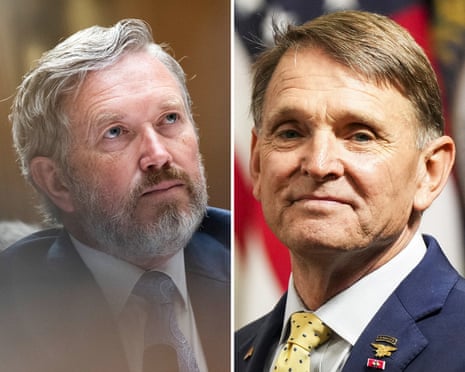
Among the most notable races is the Kentucky primary, where a dramatic political confrontation is unfolding that has captured the attention of former President Trump and national Republican leadership. Republican U.S. Representative Thomas Massie, known for his consistent criticism of Trump and establishment Republican positions, faces a significant primary challenge from Ed Gallrein, a candidate supported by Trump and conservative activists seeking to remove Massie from office. Trump has been vocally encouraging Kentucky voters to oust Massie, viewing the congressman's independent streak and refusal to toe the party line as a threat to the cohesion and direction of the modern Republican Party.
Massie's tenure in Congress has been marked by a commitment to constitutional principles and fiscal conservatism that sometimes puts him at odds with Trump and mainstream Republican priorities. The congressman has not shied away from criticizing Trump publicly, and his principled stands on various issues have earned him respect from some quarters while making him a target for Trump's considerable political machinery. The primary contest in Kentucky thus represents a significant test of whether Trump can successfully primary out members of his own party who refuse to align with his vision and leadership, a question with profound implications for Republican Party unity and direction.
The Pennsylvania primary looms as another crucial contest capturing national attention, featuring races across multiple offices that will determine the party's standard-bearers for key statewide positions. As a perennial swing state that often determines presidential outcomes, Pennsylvania's primaries have outsized significance in shaping the national political conversation and momentum heading into the general election campaign. Democratic and Republican candidates alike recognize that success in Pennsylvania could provide tremendous momentum and demonstrate broad appeal to voters in similar competitive states across the country.
Georgia represents another critical battleground where primary elections will help determine which candidates will compete in races that could significantly impact both state and national politics. The Georgia primary carries particular weight given the state's recent transformation into a competitive battleground in presidential and statewide elections. Both Democratic and Republican primary voters in Georgia will be making choices that could reverberate far beyond the state's borders, particularly given Georgia's importance in recent national electoral outcomes.
The primary contests occurring on Tuesday across Alabama, Oregon, and Idaho, while receiving somewhat less national media attention than Pennsylvania and Georgia, nonetheless feature significant races and compelling narratives that reflect broader political dynamics. Alabama's Republican-dominated primary landscape differs markedly from Oregon's more liberal electorate, while Idaho's conservative primary contests add further diversity to the day's elections. Each state brings its own unique political culture, voter preferences, and candidate dynamics that collectively provide a comprehensive picture of American political sentiment as the nation approaches the crucial midterm elections.
Trump's political influence will be on full display throughout the day's voting, as the former president's endorsements and campaign activities have created a powerful dynamic within Republican primaries nationwide. The extent to which Trump-backed candidates succeed in their primary races will serve as an important measure of his continued dominance within Republican politics and his ability to shape the party's direction and candidate selection. Conversely, any failures or underperformance by Trump-endorsed candidates could suggest limitations to his power and influence within the party he continues to shape from outside elected office.
Democratic primary voters across these six states face their own significant choices as they contemplate which candidates and philosophies best represent the future direction of their party. The Democratic primary contests will reveal whether voters are leaning toward establishment-backed candidates or whether progressive challengers can gain traction and momentum through grassroots support and energized bases. These choices will have profound implications for how Democrats position themselves heading into the general election campaigns and what message they will carry to voters nationwide.
The outcomes of these six state primaries will provide valuable data points for political analysts, campaign strategists, and party leadership as they attempt to understand voter sentiment and predict likely outcomes in the November midterm elections. Primary election results traditionally serve as crucial indicators of broader electoral patterns and can significantly influence media narratives, candidate fundraising, and momentum heading into the general election phase. The concentrated nature of Tuesday's voting, with six states holding primaries simultaneously, means that the results will carry even greater weight in shaping perceptions of political viability and momentum.
As voters across Kentucky, Pennsylvania, Georgia, Alabama, Oregon, and Idaho prepare to cast their ballots on Tuesday, they will be participating in a critical moment in the American democratic process. The decisions made on this single day will reverberate through the remainder of the election cycle, influencing which candidates move forward to challenge for control of Congress and various state offices. These primary elections ultimately represent the foundational mechanism through which American political parties select their champions and establish their direction, making the stakes for all involved parties, candidates, and voters exceptionally high as the nation moves toward its midterm elections.


