
Slovenia Boycotts Eurovision, Airs Palestine Films

Slovenia joins Ireland and Spain in boycotting Eurovision song contest over Israel's participation, broadcasting Palestinian documentaries instead.
In a significant political statement, Slovenia has joined several European nations in refusing to broadcast the Eurovision song contest this year, marking a notable moment in the ongoing debate surrounding Israel's participation in the world's most widely watched live music event. The decision by the Slovenian national broadcaster represents a coordinated stance among multiple countries expressing concerns about the geopolitical implications of the competition and the broader Middle Eastern conflict.
National public television stations across Europe have taken the unprecedented step of implementing what amounts to a broadcasting boycott of the Eurovision song contest. Ireland, Spain, and Slovenia have all confirmed they will not air the event, with each nation citing objections to Israel's continued participation in the international competition. This coordinated action reflects growing pressure from civil society organizations and political movements advocating for various causes related to the Israeli-Palestinian conflict.
The Slovenian broadcaster RTV made its official announcement on Thursday, confirming that the country would not only refuse to broadcast Eurovision but would also decline to submit a national entry for competition. Instead of airing the music extravaganza, the station announced plans to air a specially curated series of documentary films focused on Palestine and Palestinian perspectives, offering viewers an alternative programming choice during the scheduled broadcast time.

Eurovision, officially known as the Eurovision Song Contest, stands as the longest-running annual international television song competition and one of the most watched live music events globally. The contest has been held annually since 1956 and typically attracts hundreds of millions of viewers across Europe and beyond. The event is renowned for its elaborate stage productions, diverse musical performances, and the significant cultural prestige associated with hosting or winning the competition.
The decision by these European broadcasters comes amid increasing scrutiny of Israel's role in international cultural and sporting events. Boycott movements have gained momentum in recent years, with various organizations and individuals advocating for what they describe as accountability measures regarding Israeli government policies. The Eurovision boycott represents one of the most visible examples of this trend affecting mainstream entertainment broadcasting.
Previous to the official announcement, RTV had already communicated its position by confirming it would not submit a Slovenian entry to compete in Eurovision, signaling the broadcaster's stance before the full boycott decision was made public. This sequential approach allowed the broadcaster to articulate its position gradually while preparing alternative programming content for its audience.
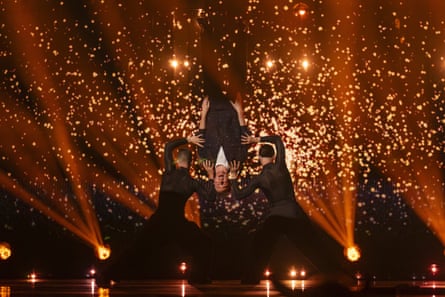
The move to air Palestinian documentary films instead of Eurovision programming represents a deliberate editorial choice that carries significant symbolic weight. By programming content specifically about Palestine during the time slot that would traditionally feature Eurovision, Slovenian broadcaster RTV is making a clear statement about its values and priorities. The selection of documentary films about Palestinian culture, history, and contemporary issues provides viewers with alternative perspectives and educational content on matters the broadcaster considers important.
This approach differs from simply declining to broadcast Eurovision, as it actively fills the programming void with content that directly addresses Palestinian topics. The strategy allows the broadcaster to serve its audience with what it considers relevant and important material while simultaneously demonstrating solidarity with Palestinian causes and concerns. The selection and curation of appropriate films for this purpose represents significant editorial decision-making.
The broader context of these boycotts includes ongoing debates within the international community about the role of cultural and sporting events in either promoting or overlooking geopolitical concerns. Supporters of the Eurovision boycott argue that major international platforms should not provide stages for nations whose government policies they view as problematic, while critics contend that culture and politics should remain separate domains.
Ireland's decision to boycott Eurovision followed similar reasoning, with Irish public broadcaster RTÉ confirming it would not air the competition in protest of Israel's participation. Spain's broadcaster RTVE also joined the boycott movement, marking a coordinated European response that carries greater significance due to the collective nature of the action. When multiple major broadcasters in different European countries make the same decision, it amplifies the message and demonstrates broader support for the boycott position.
The participation of these three nations in a coordinated boycott effort suggests that such decisions may not be isolated incidents but rather part of a larger movement. European public broadcasting institutions, which typically serve national audiences and reflect public discourse within their countries, often respond to political and social pressures from their audiences and stakeholders. The timing and coordination of these announcements suggest possible coordination or at least alignment of positions among the participating broadcasters.
Eurovision organizers have not provided official statements responding directly to the Slovenian broadcaster's decision, though such boycotts certainly present challenges for the organization of the event. The loss of broadcasting partners in major markets affects the contest's reach and viewership numbers, with potential implications for sponsorship and cultural significance. These broadcasting decisions also influence the feasibility and scale of Eurovision production planning.
The debate surrounding Eurovision's political dimensions extends beyond the current boycott situation. The competition has historically served as a platform for various nations to showcase their cultures and compete on a largely nonpolitical basis, though geopolitical tensions have occasionally surfaced throughout its history. The integration of political activism into broadcasting decisions regarding Eurovision represents a significant shift in how some European media institutions approach their role in international cultural events.
Looking forward, the ramifications of these broadcasting boycotts may influence how international cultural organizations approach questions of political neutrality and responsibility. The choices made by Slovenia, Ireland, Spain, and potentially other nations will likely contribute to broader conversations about the relationship between entertainment, broadcasting, and political engagement in contemporary society. These decisions underscore the growing intersection of popular culture and international politics in the modern media landscape.
Source: The Guardian


