
Slovenia Imposes Fuel Rationing: First EU Country to Take Drastic Measures

Slovenia has become the first European Union country to introduce fuel rationing, limiting motorists to a maximum purchase of 50 liters per day amid ongoing global energy crisis.
In a move to combat the escalating global energy crisis, Slovenia has become the first European Union country to implement fuel rationing for its citizens. Effective immediately, motorists in the small Balkan nation will be restricted to a maximum purchase of 50 liters of fuel per day, a drastic measure aimed at preserving the country's dwindling fuel supplies.
The decision, announced by the Slovenian government, comes as nations across Europe grapple with soaring energy prices and supply chain disruptions caused by the ongoing geopolitical tensions and the lingering effects of the COVID-19 pandemic. Slovenia, a country of just over 2 million people, is the first EU member to take such a decisive step in rationing its fuel resources.
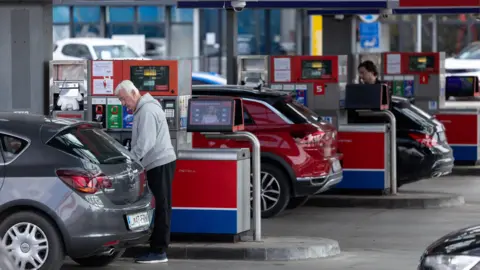
Authorities in Slovenia stated that the fuel rationing measure will remain in effect until further notice, as the country seeks to ensure a stable and equitable distribution of its limited fuel supplies. The decision has been met with a mix of understanding and frustration from the Slovenian public, many of whom rely on their personal vehicles for essential daily tasks.
According to government officials, the rationing system will be implemented at all petrol stations across the country, with motorists required to present their vehicle registration documents to verify their daily fuel allotment. The move is seen as a proactive step to avoid potential fuel shortages and prevent a repeat of the long queues and supply disruptions experienced in some European countries during the initial stages of the energy crisis.
The introduction of fuel rationing in Slovenia is a stark reminder of the severe challenges facing European nations as they grapple with the ongoing energy crisis. As other countries monitor the situation closely, the decision by Slovenia could serve as a blueprint for similar measures in the future, should the energy landscape continue to deteriorate.
Source: BBC News


