
Slovenia's Pivotal Election: Confronting Rhetoric and Marginalization

Slovenia's election pits center-left leader Robert Golob against right-wing populist Janez Janša, with concerns over anti-Romany rhetoric shaping the polarized campaign.
As Slovenia gears up for a crucial election on Sunday, the race has become a referendum on how the country treats its most marginalized communities, particularly the Romany population. Campaigners have sounded the alarm over a surge in anti-Romany rhetoric during the polarized campaign, raising concerns about the potential impact on the country's democratic future.
At the center of the contest are two frontrunners: Robert Golob, the center-left candidate of the Freedom Movement party, and Janez Janša, the right-wing populist and ally of former U.S. President Donald Trump. The outcome of this election will not only shape Slovenia's political landscape but also serve as a barometer for the country's commitment to inclusivity and minority rights.

Campaigners have expressed deep unease over the troubling rhetoric that has emerged during the election season, with some candidates seemingly capitalizing on anti-Romany sentiment to bolster their support. The Romany community, which has long faced marginalization and discrimination in Slovenia, now finds itself at the heart of a heated political debate.
As the country heads to the polls, many are bracing for the potential consequences of the election's outcome. A victory for Janša, known for his populist and nationalist, could further embolden those who seek to scapegoat and vilify the Romany population. Conversely, a win for Golob and the Freedom Movement could signal a shift towards a more inclusive and tolerant Slovenia, where the rights of all citizens are respected, regardless of their ethnic background.
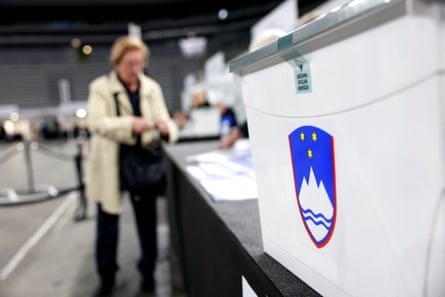
The stakes in this election are high, not only for Slovenia but for the broader region as well. As a member of the European Union, Slovenia's political direction will have ripple effects across the continent, potentially influencing the trajectory of other nations grappling with the rise of populism and the challenges of embracing diversity.
In the coming days, the world will be watching closely as Slovenians head to the polls, eager to see whether the country will choose a path of progress and inclusion or one that may further marginalize its most vulnerable communities. The outcome of this election will undoubtedly shape Slovenia's future and serve as a crucial test for the resilience of its democratic institutions.
Source: The Guardian

