
Slow Food Founder Carlo Petrini Dies at 76

Carlo Petrini, visionary founder of the Slow Food movement, passes away at 76. His legacy transformed global food culture and sustainable eating practices.
Carlo Petrini, the influential Italian gastronome and founder of the revolutionary Slow Food movement, has passed away at the age of 76. His death marks the end of an era for a man who fundamentally transformed how millions of people around the world think about food, sustainability, and cultural preservation. Petrini's vision emerged during a time when convenience and speed dominated modern dining, challenging the very foundation of contemporary food consumption patterns.
Born in Bra, a small town in the Piedmont region of northern Italy, Petrini dedicated his life to championing the values of sustainable food production and traditional cooking methods. The Slow Food movement, which he established in 1989, represented a conscious rebellion against the homogenization of global cuisine and the environmental consequences of industrial agriculture. What began as a modest local initiative quickly blossomed into an international organization with members spanning across more than 160 countries, fundamentally reshaping conversations about what we eat and how it's produced.
The founding of Slow Food came at a pivotal moment in European culture. Italy, like many Western nations, was experiencing rapid urbanization and the erosion of traditional food practices. Petrini recognized that this cultural shift posed a serious threat not only to culinary heritage but also to agricultural biodiversity and environmental sustainability. His movement provided an intellectual and practical framework for people seeking alternatives to the fast food industry's dominance, offering a philosophical counterpoint to the efficiency-obsessed approach that had come to define modern eating habits.
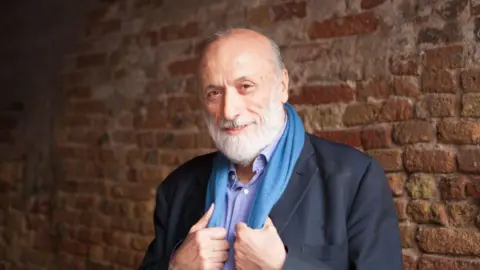
At its core, the Slow Food philosophy emphasized three fundamental principles: good, clean, and fair food. This triad became the movement's guiding mantra, encapsulating Petrini's belief that food should taste excellent, be produced without harming the environment or exploiting workers, and be economically sustainable for producers. This comprehensive approach distinguished Slow Food from merely being a nostalgic retreat into the past; instead, it presented a forward-thinking vision that reconciled tradition with contemporary concerns about global warming, labor rights, and health.
Throughout his career, Petrini worked tirelessly to document and preserve endangered food traditions and agricultural practices. One of his most notable achievements was the creation of the Slow Food Ark of Taste, an international catalog that identifies and promotes traditional food products and recipes at risk of extinction. This initiative has saved countless regional dishes, heirloom crop varieties, and artisanal production methods from disappearing entirely. The Ark of Taste now includes thousands of entries from every continent, serving as a living testament to humanity's culinary diversity and agricultural heritage.
Beyond documentation, Petrini established Slow Food University in Piedmont, an educational institution dedicated to teaching the principles of ethical food production and sustainable agriculture. The university became a beacon for students, farmers, and activists interested in learning about sustainable agriculture practices and the intersection of food, culture, and environmental stewardship. Through this institution, Petrini influenced a new generation of food professionals who would carry forward his vision in their own communities and professional endeavors.

The impact of Petrini's work extended far beyond Italy's borders. He became a prominent voice in global conversations about food sovereignty, biodiversity conservation, and social justice within the food system. His writings and speeches articulated a compelling critique of industrial agriculture and corporate food monopolies, offering detailed analyses of how industrial food production contributed to environmental degradation, social inequality, and the loss of cultural identity. Petrini argued persuasively that reclaiming our food systems meant reclaiming our autonomy as individuals and communities.
One of the most significant contributions of the Slow Food movement under Petrini's leadership was its role in mainstreaming concepts like farm-to-table dining, farmers' markets, and agritourism. What were once considered niche or alternative approaches to food have become increasingly mainstream, with restaurants, retailers, and consumers worldwide embracing principles that Petrini championed decades ago. Major food companies and agricultural organizations have had to adapt their messaging and practices in response to the cultural shift that Slow Food initiated.
Petrini's activism extended into the political and economic realms as well. He advocated for policies that would protect small-scale farmers, promote organic and regenerative agriculture, and ensure equitable compensation throughout the food supply chain. His work helped establish frameworks for understanding and addressing food justice, demonstrating that ethical eating practices were inseparable from broader social and economic justice movements. This holistic approach distinguished the Slow Food movement from other food-focused initiatives.
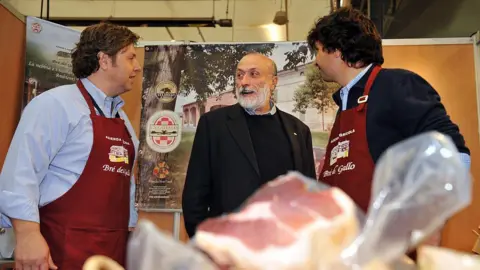
The organization that Petrini built grew to include hundreds of thousands of members worldwide, organized into local chapters called convivia. These grassroots groups became the backbone of the Slow Food movement, connecting people through shared meals, educational workshops, and advocacy efforts. The convivia model demonstrated Petrini's understanding that lasting social change happens not through top-down mandates but through communities of engaged individuals working together toward common values. This decentralized approach allowed Slow Food to adapt to local contexts while maintaining its core principles.
Among his many honors and recognitions, Petrini was awarded numerous international accolades that reflected the significance of his contributions to global food culture and sustainability. These honors acknowledged not only his intellectual contributions but also his role as a public intellectual who articulated why food culture and culinary traditions matter for individual health, community cohesion, and environmental survival. His ability to communicate these complex ideas in accessible ways made him an effective advocate for systemic change within the global food system.
Looking toward the future, Petrini's legacy continues to inspire activists, chefs, farmers, and consumers committed to transforming how we produce and consume food. The Slow Food movement he founded remains active and influential, with ongoing projects addressing contemporary challenges like climate change, food insecurity, and the consolidation of agricultural power. His death represents a loss for the movement, but the foundations he laid and the principles he articulated continue to guide the work of countless individuals and organizations worldwide.
The passing of Carlo Petrini marks a moment for reflection on how far the food movement has come and how much work remains to be done. His vision of a world where food systems prioritize ecological health, cultural preservation, and social fairness continues to resonate with people seeking alternatives to industrial food production. As the world faces mounting environmental challenges and growing awareness of food system inequities, Petrini's ideas appear increasingly relevant rather than nostalgic.
In remembering Petrini, the food community and his countless followers worldwide celebrate a life dedicated to transforming one of humanity's most essential activities. His intellectual framework, practical initiatives, and passionate advocacy created space for millions of people to reconsider their relationship with food. The Slow Food movement stands as his enduring monument, continuing to promote the belief that how we eat shapes not only our health and happiness but also the future of our planet and the preservation of human cultural diversity.
Source: BBC News


