
SNP Claims Victory in Scottish Elections

John Swinney declares SNP triumph in Holyrood elections as Scottish Labour faces comprehensive defeat under Anas Sarwar's leadership.
John Swinney, leader of the Scottish National Party, has announced a decisive victory in the latest Holyrood elections, positioning the SNP as Scotland's dominant political force. The declaration came after initial results began rolling in, with early indications pointing toward a substantial defeat for the Scottish Labour party. Speaking confidently following his successful re-election in his Perthshire North constituency, Swinney expressed unwavering confidence in the SNP's electoral performance and its mandate to lead the Scottish government.
In a statement delivered to the BBC, Swinney emphasized his certainty about the SNP's position, declaring, "I am absolutely certain the SNP is going to be the leading party coming out of this election." This bold assertion reflected the party's strong performance in the early counting stages and suggested the SNP election results would demonstrate substantial voter support for the nationalist agenda. The timing of his victory declaration, coming before all constituencies had reported their results, underscored the scale of the SNP's anticipated triumph across Scotland's electoral map.
Anas Sarwar, the Scottish Labour leader, acknowledged the disappointing outcome for his party in the wake of the initial results. Labour's comprehensive defeat marked a significant setback for the opposition party's hopes of challenging SNP dominance in Scottish politics. The concession from Sarwar reflected the reality that Labour had failed to make the electoral gains necessary to position itself as a genuine alternative government, allowing the SNP to consolidate its political standing and control of the Scottish parliament.

The Scottish elections 2026 represented a crucial moment in the nation's political landscape, with voters making their preferences clear through the ballot box. The SNP's strong showing suggested continued public support for Scottish independence principles and the party's vision for governing Scotland. Swinney's personal victory in Perthshire North provided him with a solid foundation from which to lead the party forward, having secured his own political future while overseeing the broader party's electoral success.
Early analysis of the election results Scotland indicated that the SNP had succeeded in maintaining and potentially expanding its parliamentary representation. The party's campaign messaging appeared to have resonated with voters across multiple regions and demographics, contributing to Labour's disappointing performance. This outcome represented a continuation of the SNP's electoral dominance that has characterized Scottish politics in recent years, maintaining the party's position as the primary driver of political discourse and policy decisions in the nation.
The defeat for Scottish Labour raised important questions about the party's strategic direction and messaging effectiveness in the competitive Scottish political environment. Sarwar's leadership faced scrutiny following the comprehensive nature of the party's defeat, as Labour struggled to articulate a compelling alternative vision to SNP governance. The party's inability to capitalize on any potential voter dissatisfaction with the SNP's record suggested that significant challenges remained for Labour's attempts to rebuild its political presence in Scotland.
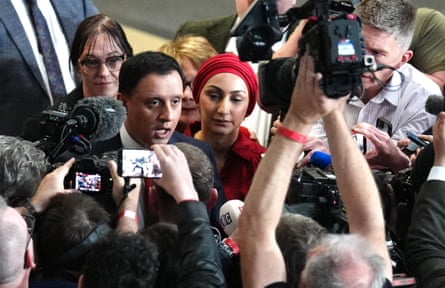
The broader implications of the SNP's Holyrood election victory extended beyond immediate parliamentary composition. The results provided a mandate that strengthened the SNP's ability to advance its legislative agenda and pursue its long-standing policy priorities. Swinney's confident declaration of victory signaled that the party intended to use its electoral strength to shape Scotland's political future, potentially advancing debates around independence and Scotland's constitutional relationship with the United Kingdom.
As the full results from all constituencies continued to emerge, the scale of Labour's defeat became increasingly apparent, confirming the initial assessments that had prompted Sarwar's concession. The Scottish National Party had successfully converted public support into parliamentary seats, maintaining the political environment where SNP leadership of the Scottish government appeared virtually assured. This outcome reinforced existing patterns in Scottish politics while potentially creating new opportunities for the SNP to pursue its strategic objectives over the coming parliamentary term.
Political observers noted that the election results reflected broader dynamics within Scottish society, including attitudes toward Scottish independence, economic governance, and the nation's place within the United Kingdom. The SNP's ability to win across diverse constituencies and among varied demographic groups suggested deep wells of political support that extended beyond its traditional strongholds. Meanwhile, Labour's struggles indicated that the party had yet to successfully position itself as a credible governing alternative capable of displacing SNP dominance.
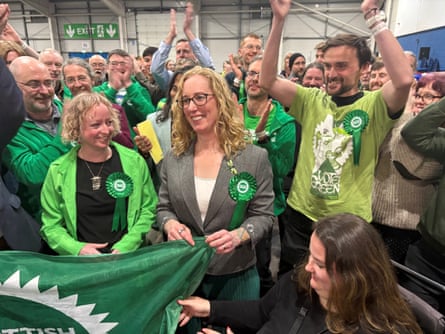
Looking forward, Swinney's government would face the challenge of translating electoral victory into effective governance and policy delivery. The mandate secured through the election provided political capital that the SNP leadership intended to deploy toward its key objectives, though implementation challenges and legislative negotiations would shape outcomes. The SNP's continued dominance established the party as Scotland's primary political force, with Swinney positioned to lead the nation through a new parliamentary term shaped by his party's vision for Scotland's future.
Source: The Guardian

