
Soaring Pollution: How Rocket Launches Are Damaging the Atmosphere

Groundbreaking study reveals the alarming environmental impact of commercial space flights, as a rocket crash exposes toxic and climate-altering waste in the upper atmosphere.
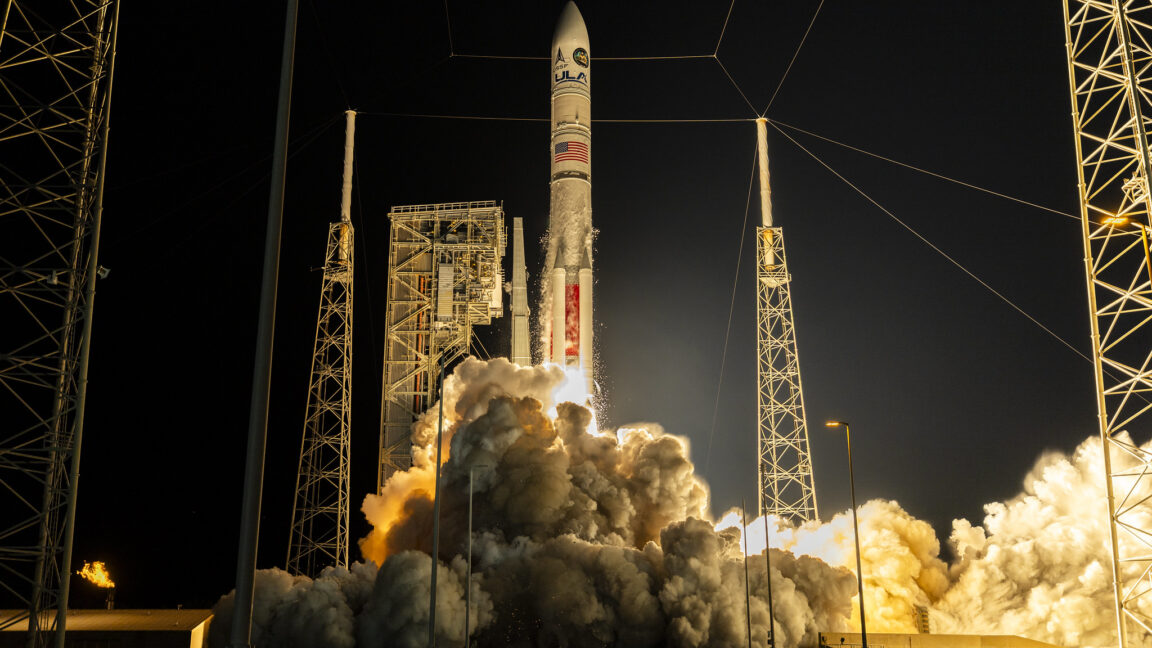
Alarming new research has shed light on the growing concerns surrounding the environmental impact of commercial space flights. The study, published in the scientific journal Nature, analyzes the pollution plume left behind by a Falcon rocket that crashed through the upper atmosphere on February 19, 2025, after SpaceX lost control of its reentry.
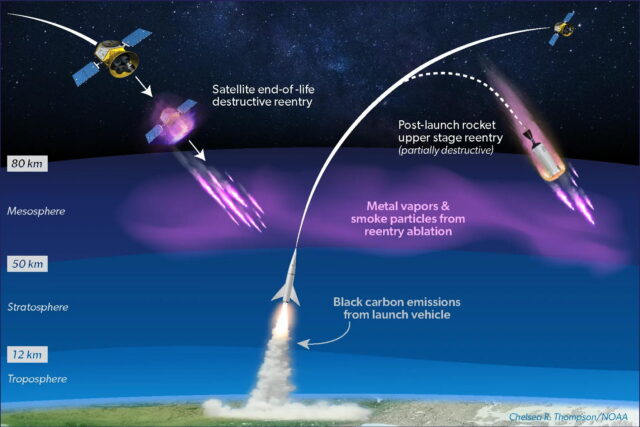
The rocket had been launched earlier that month, carrying 20 to 22 Starlink satellites into orbit. This incident marks the first time that debris from a specific spacecraft disintegration has been traced and measured in the near-space region, about 80 to 110 kilometers above Earth. Changes in this region can affect the stratosphere, where ozone and climate processes operate, which until recent years, had been largely unaffected by human activities.

The study's authors emphasize that a handful of companies and countries are using the global atmospheric commons as a dumping ground for potentially toxic and climate-altering industrial waste byproducts from loosely regulated commercial space flights. This practice poses a significant threat to the delicate balance of the upper atmosphere, which plays a crucial role in maintaining the health of our planet.
"This incident highlights the urgent need for stricter regulations and oversight of the commercial space industry," said one of the study's lead authors. "The long-term consequences of this pollution on the stratosphere and our climate could be devastating if left unchecked."
The findings of this study serve as a wake-up call to policymakers, industry leaders, and the general public. As the commercial space industry continues to grow, it is imperative that we address the environmental concerns associated with rocket launches and find sustainable solutions to mitigate the impact on our planet's delicate ecosystems.
"We can't continue to treat the upper atmosphere as a dumping ground," the researcher added. "The time for action is now, before the damage becomes irreversible."
Source: Ars Technica


