
Solar Panel Sales Surge as Households Seek Energy Savings

Rising demand for solar panels reflects growing consumer interest in reducing energy costs. Industry leaders discuss the economic and environmental benefits driving this trend.
The solar panel industry is experiencing unprecedented growth as homeowners and business operators increasingly turn to renewable energy solutions to combat rising electricity expenses. This surge in demand represents a significant shift in how consumers approach their energy consumption patterns and long-term financial planning. The movement toward solar energy installation has accelerated dramatically over the past year, with manufacturers and installers reporting record-breaking order volumes across residential and commercial sectors.
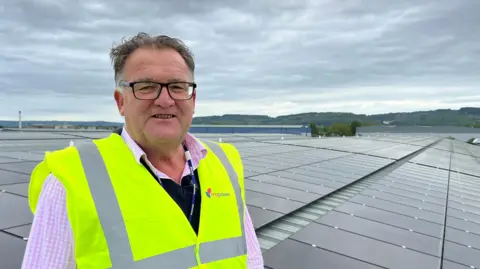
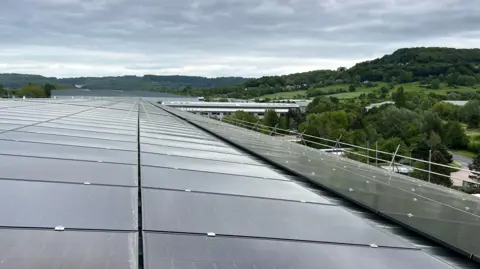
One business director recently made headlines after purchasing 2,000 solar panels for his company, signaling strong corporate confidence in the technology's financial viability. This substantial investment demonstrates how large-scale operations are beginning to recognize the tangible benefits of transitioning to renewable energy systems. The decision reflects broader industry trends where forward-thinking executives are prioritizing long-term cost reduction and sustainability initiatives. By securing such a significant number of panels, the company aims to substantially reduce its electricity bills and establish energy independence for years to come.
The primary driver behind this uptick in solar panel sales is undoubtedly the desire to reduce operational and household expenses. With traditional energy costs continuing to rise unpredictably, consumers are actively seeking alternative sources to power their homes and businesses. Solar technology offers a practical solution that enables users to generate their own electricity while simultaneously decreasing their reliance on grid-supplied power. The financial incentive has proven compelling enough to overcome initial installation costs and technical concerns that previously deterred widespread adoption.
The economics of solar power have shifted dramatically in favor of consumers over the past decade. Installation costs have dropped by nearly 70% since 2010, making solar systems accessible to a broader demographic than ever before. Many households can now recoup their initial investment within 5-7 years through reduced electricity bills, after which they enjoy virtually free electricity for the remaining 20-25 year lifespan of the panels. This improving financial equation has converted skeptics into believers and transformed solar energy from a niche environmental choice into a mainstream economic decision.
Beyond immediate cost savings, property owners recognize the long-term value that solar installations add to their assets. Homes equipped with solar panel systems consistently sell at premium prices compared to traditional properties, with studies showing an average increase of 3-4% in property values. This appreciation in real estate value provides an additional financial incentive beyond annual utility savings. Savvy investors and homeowners understand that solar panels represent both an immediate operational expense reduction and a strategic investment in property equity.
The expansion of financing options has further democratized access to solar technology. Previously, the high upfront costs limited solar adoption to wealthy homeowners and large corporations with substantial capital reserves. Today, various financing mechanisms including solar leases, power purchase agreements, and specialized solar loans have eliminated the affordability barrier for middle-income households. These flexible payment structures allow consumers to go solar with little to no money down, making the technology accessible across economic strata.

Government incentive programs have also played a crucial role in accelerating adoption rates. Federal tax credits, state rebates, and utility company incentives significantly reduce the net cost of installation. The federal Investment Tax Credit currently allows homeowners to deduct 30% of their installation costs from their federal income taxes, a substantial benefit that effectively reduces the payback period. Many states have implemented additional incentive programs and renewable energy mandates that further sweeten the financial proposition for consumers considering the switch.
Environmental consciousness represents a secondary but meaningful motivation for many consumers embracing solar energy solutions. While financial considerations dominate purchasing decisions, homeowners increasingly value the opportunity to reduce their carbon footprint and contribute to climate change mitigation efforts. Installing solar panels enables individuals to align their purchasing decisions with their environmental values while simultaneously achieving tangible economic benefits. This convergence of financial and environmental incentives creates powerful motivation for residential solar adoption across diverse demographic groups.
The commercial sector mirrors these trends, with businesses of all sizes investing in rooftop solar systems and ground-mounted arrays. The director's decision to purchase 2,000 panels exemplifies how corporate decision-makers are analyzing energy costs as a significant operational expense worthy of strategic intervention. By generating their own electricity, companies can stabilize energy costs, improve profit margins, and enhance their sustainability profiles simultaneously. This business case has proven persuasive even in competitive industries where every operational cost reduction directly impacts the bottom line.

Technological improvements have enhanced the efficiency and reliability of modern solar systems considerably. Contemporary panels convert sunlight into electricity at much higher rates than earlier generations, with efficiency levels continuing to improve annually. Battery storage technology has also advanced dramatically, allowing homeowners and businesses to store excess energy generated during peak sunlight hours for use during evening hours or cloudy days. These technological enhancements have addressed previous concerns about solar reliability and expanded the practical applications of solar energy across different climates and use cases.
The supply chain for solar panels has matured substantially, enabling reliable availability and competitive pricing across the market. Major manufacturers continue to expand production capacity to meet surging demand, with new manufacturing facilities coming online globally. This competitive landscape has prevented prices from inflating despite skyrocketing demand, ensuring that the cost advantages driving consumer adoption remain intact. Competition among installers has similarly intensified, giving consumers more options and encouraging service providers to improve installation quality and customer service.
Looking forward, industry analysts expect the solar panel market to continue its robust growth trajectory as consumers increasingly recognize the compelling financial case for conversion. The combination of falling equipment costs, expanding financing options, attractive government incentives, and improved technology creates an extraordinarily favorable environment for adoption. Energy experts project that solar power will represent an increasingly significant portion of global electricity generation within the coming decades as more consumers implement systems similar to the 2,000-panel installation that prompted this discussion about the industry's future direction and financial drivers.
For prospective adopters, the current market environment presents exceptional timing for solar investment. The combination of mature technology, favorable financing, strong incentives, and demonstrated financial returns creates a rare convergence of conditions supporting the decision to go solar. Whether motivated primarily by financial considerations, environmental concerns, or a combination of both, consumers increasingly recognize that switching to solar energy represents a prudent long-term investment that addresses both personal finances and broader sustainability objectives. As more installations come online and additional success stories emerge, expect continued momentum in this transformative energy sector.
Source: BBC News


