
Somali Piracy Resurgence: Three Ships Hijacked

Three vessels seized off Somalia in one week signals alarming return of piracy in Horn of Africa, exploiting reduced naval presence in the region.
A troubling pattern is emerging off the coast of Somalia, where piracy attacks have resurged with alarming intensity over the past seven days. The seizure of three merchant vessels in rapid succession has reignited concerns about maritime security in one of the world's most strategically important shipping corridors, signaling a potential return to the dangerous days when Somali pirates posed an existential threat to global commerce.
The escalating situation underscores a critical vulnerability in international maritime security arrangements. Pirates appear to be strategically capitalizing on the reallocation of naval resources away from traditional patrol areas, as military assets have been redirected to address other regional crises and security challenges. This tactical shift by pirate networks demonstrates their capacity to exploit gaps in security coverage, exploiting moments when vigilance wanes and international attention focuses elsewhere.
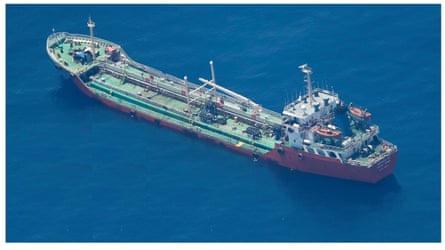
The first incident in this recent spate occurred on April 21, when the motor tanker Honour 25, laden with approximately 18,000 barrels of crude oil, was successfully hijacked by armed pirates operating in the waters off Somalia's coast. This seizure marked a significant escalation, as the vessel's valuable cargo made it an attractive target for criminal maritime networks seeking to generate ransom income. The hijacking was immediately documented by the Maritime Security Centre Indian Ocean (MSCIO), the sophisticated tracking and monitoring service operated by the European Union's naval force in the region.
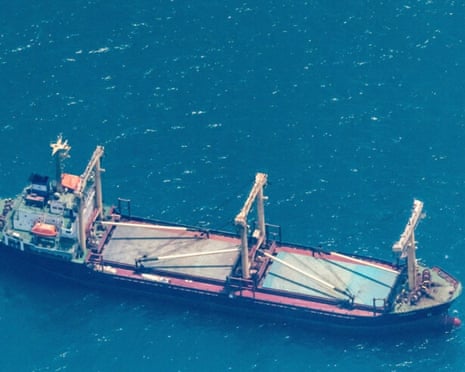
Just days later, on April 22, a traditional dhow sailing vessel was seized in a separate incident, further demonstrating the breadth of pirate operations and their willingness to target vessels of varying sizes and types. The dhow hijacking, though involving a smaller vessel than the tanker seizure, represented another successful strike and provided additional evidence of coordinated pirate activity throughout the region. The capture suggested that pirate cells were operating with increasing confidence and operational capacity.
The most recent attack came on April 26, when the merchant vessel Sward was taken over by armed pirates, completing a devastating trio of maritime seizures within a five-day window. The rapid succession of successful hijackings has alarmed shipping companies, insurance underwriters, and maritime authorities worldwide, as it suggests a fundamental shift in the security environment off Somalia's coast. The Horn of Africa piracy threat, which many believed had been substantially mitigated through years of international naval cooperation, now appears to be staging a comeback.
These incidents have been meticulously recorded and analyzed by the Maritime Security Centre Indian Ocean, which maintains comprehensive databases of all reported piracy incidents and security threats throughout the Indian Ocean region. The center serves as a critical information hub for the EU Naval Force and contributes vital data to international maritime security operations. Through MSCIO's tracking systems, shipping companies and naval authorities maintain real-time awareness of emerging threats and can coordinate appropriate responses to protect vulnerable vessels transiting the region.
The resurgence of Somali piracy carries significant implications for the global shipping industry, which already faces numerous challenges including economic pressures, geopolitical tensions, and supply chain disruptions. The Indian Ocean and the waters surrounding the Horn of Africa represent crucial maritime corridors through which trillions of dollars in international commerce flow annually. Any disruption to shipping in these waters threatens the stability of global trade networks and increases costs for businesses dependent on maritime transport for their supply chains.
Industry analysts point to the deliberate diversion of international naval resources as a primary factor enabling the renewed pirate activity. As naval vessels have been redirected to address other maritime security concerns elsewhere in the broader region, the protective presence that had previously deterred piracy has been significantly reduced. Pirates, operating sophisticated intelligence networks and communications systems, have detected these gaps and organized coordinated attacks to exploit the temporary window of vulnerability. This tactical adaptation demonstrates that contemporary maritime piracy remains an intelligent, adaptive criminal enterprise rather than a simple manifestation of desperation.
The three hijackings have prompted urgent discussions among international maritime authorities about revitalizing anti-piracy operations. Shipping companies are reassessing security protocols and insurance premiums, while governments are reconsidering resource allocation to maintain adequate naval presence in critical waters. The cost of maritime piracy extends far beyond ransoms paid to pirates; it includes increased insurance rates, higher security expenditures, longer transit times due to detours around dangerous areas, and disruption to supply chains that depend on timely cargo delivery.
Historically, Somali pirate attacks reached their peak around 2011 and 2012, when dozens of vessels were seized annually and maritime companies paid hundreds of millions of dollars in ransoms to secure the release of ships and crew members. The subsequent international response, coordinated through NATO and other naval coalitions, successfully reduced piracy incidents to historically low levels. However, the current resurgence serves as a sobering reminder that piracy cannot be permanently eliminated solely through military deterrence; addressing the underlying instability and lack of economic opportunities in Somalia remains essential for achieving long-term maritime security.
The vulnerability of modern international shipping to piracy reflects broader challenges in global maritime governance. While technology has advanced dramatically, enabling sophisticated tracking and communication systems, pirates have equally evolved their methods and capabilities. The capture of three vessels in one week indicates that pirate organizations have rebuilt operational capacity, secured financing for operations, and maintained the organizational cohesion necessary to conduct multiple coordinated attacks. Security experts warn that without rapid international response and renewed commitment to anti-piracy patrols, the situation could deteriorate further.
Moving forward, stakeholders in the international maritime industry are calling for enhanced coordination among naval forces, improved intelligence sharing, and potentially the redeployment of resources to strengthen protective presence in the Indian Ocean. The incidents involving Honour 25, the dhow, and the Sward demonstrate that the piracy threat remains dynamic and requires constant vigilance. As the global shipping community grapples with the implications of this resurgence, one thing is clear: the brief period of relative maritime security off Somalia may be giving way to a more complex and challenging security environment that will demand sustained international commitment and resources to manage effectively.
Source: The Guardian


