
Somali Piracy Surge: Four Vessels Targeted in Week

UK maritime authorities report escalating piracy threats off Somalia with four suspected incidents in one week. Security concerns intensify for commercial shipping.
The UK Maritime Trade Operations has issued fresh warnings regarding a concerning surge in piracy incidents along the Somali coast, reporting at least four separate suspected attacks in the past seven days. This latest cluster of incidents underscores the persistent and evolving security challenges facing international shipping routes in one of the world's most volatile maritime regions. The reports highlight the ongoing threat that Somali pirates pose to commercial vessels traversing these critical waters, raising alarm bells among shipping companies and maritime authorities worldwide.
The escalation in suspected piracy attacks comes amid broader efforts by international naval forces to combat maritime crime in the Indian Ocean and surrounding waters. Each incident represents a potential threat not only to vessel crew members but also to billions of dollars in global trade that passes through these strategically important shipping lanes. The frequency of these attacks has prompted renewed discussions among maritime stakeholders about enhanced security protocols and the effectiveness of current countermeasures deployed in the region.
Authorities have indicated that the vessels involved in these recent incidents were operating in established shipping corridors when they encountered the suspected pirate activity. The threat level for maritime security in the Somali basin has been reassessed upward, reflecting the heightened risk profile that commercial operators must now factor into their voyage planning and crew safety procedures. Maritime insurers have also taken note of the increased activity, with some adjusting coverage parameters and premium structures accordingly.
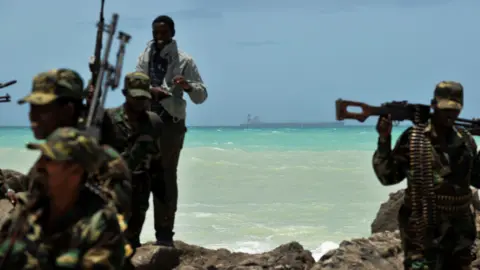
The latest warnings represent a continuation of Somali maritime piracy concerns that have periodically flared up over the past two decades. While the early 2010s witnessed particularly devastating levels of piracy activity in the region, with hundreds of attacks reported annually, more recent years have generally seen reduced incident rates. However, sporadic surges like the current situation remind the maritime industry that the underlying conditions that enable piracy—poverty, weak governance, and limited economic opportunity in Somalia—remain largely unaddressed.
Commercial shipping companies operating in the region typically implement additional security measures when threat assessments increase, including employing armed security personnel on vessels, implementing defensive maneuvers, and coordinating with multinational naval patrols. The cost of these security enhancements adds considerably to operational expenses, ultimately influencing shipping rates and global trade economics. Crew members working on vessels transiting the Somali coast face heightened psychological stress due to the potential dangers inherent in operating within contested maritime zones.
International naval coalitions, including contributions from NATO member states, the European Union, and individual nations such as China, Japan, and India, maintain a significant presence in the waters off Somalia. These coordinated efforts have been instrumental in preventing would-be pirates from successfully attacking vessels and have rescued hostages in multiple instances. Despite these interventions, the sheer vastness of the maritime area requiring surveillance makes comprehensive coverage challenging.
The economic implications of increased piracy threats extend far beyond shipping companies and insurers. The elevated security costs and potential for trade disruptions can influence commodity prices, affect developing nations dependent on maritime imports, and create ripple effects throughout global supply chains. Port operations in the region have also implemented stricter security protocols, adding to the overall burden on maritime trade efficiency.
The root causes underlying Somali piracy remain complex and multifaceted. Years of political instability, civil conflict, and the collapse of central governmental authority have created an environment where maritime crime has periodically flourished as an alternative income source for desperate individuals. Unemployment rates in coastal communities remain extraordinarily high, limiting legitimate economic opportunities and making the prospect of piracy financially appealing to some.
Regional governments and international organizations have pursued various strategies to address piracy through both enforcement and development initiatives. These approaches have included prosecuting captured pirates, supporting maritime capacity-building in regional countries, and funding economic development projects aimed at reducing desperation-driven crime. However, progress has been uneven, and sustained resources for these initiatives have not always been forthcoming.
The latest incident reports will likely prompt shipping companies to reassess their voyage routing and security protocols for vessels destined for or transiting the region. Some operators may choose to take longer but potentially safer routes around the Cape of Good Hope, while others may invest in additional onboard security measures. These decisions balance operational costs against crew safety and cargo security considerations.
Maritime intelligence agencies continue monitoring the situation closely, analyzing patterns in reported incidents to better predict where and when attacks are most likely to occur. Information sharing between naval forces, commercial shipping entities, and maritime authorities has improved significantly over the past decade, creating a more comprehensive picture of the security landscape. This collaborative approach has proven effective in reducing successful pirate attacks and apprehending perpetrators.
The maritime security environment off Somalia remains an important indicator of broader stability and development challenges within the country and the Horn of Africa region more generally. While recent improvements in Somalia's political situation have generated cautious optimism, the country's fragile state institutions and limited resources continue to constrain government capacity to enforce maritime law and patrol territorial waters effectively. International support for Somali maritime security institutions has been crucial in filling this enforcement gap.
Looking forward, maritime stakeholders will continue monitoring reports from the UK Maritime Trade Operations and other official sources to gauge whether the recent spike in incidents represents a temporary anomaly or the beginning of a sustained escalation. The shipping industry's response to these threats—whether through increased security measures, routing changes, or insurance adjustments—will reflect their assessment of the evolving risk profile. Ultimately, addressing piracy sustainably will require continued international cooperation, regional capacity building, and broader efforts to improve governance and economic conditions in Somalia.
Source: BBC News


