
Somalia: Woman Jailed for Protest Claims Torture

A 27-year-old rickshaw driver imprisoned in Somalia for peaceful protest alleges she was stripped, beaten and tortured by guards while in custody.
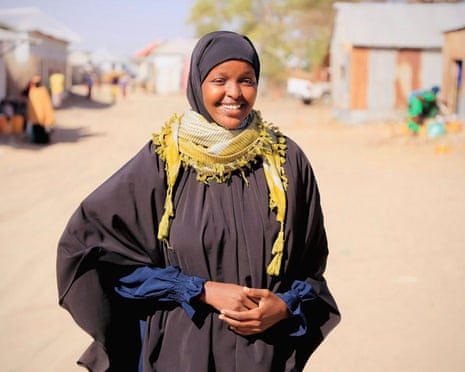
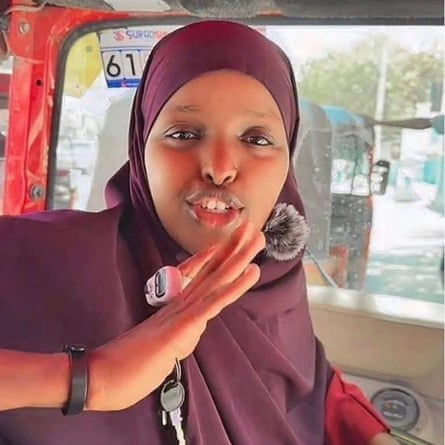
A woman detained in a Somali prison has come forward with harrowing accounts of abuse and torture following her arrest for participating in peaceful demonstrations against government policies. Sadia Moalim Ali, a 27-year-old rickshaw driver, has broken her silence from behind prison walls to reveal the brutal treatment she allegedly endured at the hands of her captors. Her testimony provides a stark illustration of the human rights concerns facing activists and ordinary citizens in Somalia who dare to challenge state authority through lawful dissent.
In an exclusive and candid interview conducted from her place of detention, Ali disclosed the shocking details of her ordeal following her arrest for engaging in peaceful protest activities. The accounts she provided paint a disturbing picture of systematic abuse and mistreatment within Somalia's prison system. Her willingness to speak out despite her precarious situation underscores the gravity of her experiences and the risks faced by those who attempt to exercise their fundamental right to free expression and assembly.
According to Ali's testimony, she was subjected to severe physical abuse by two male guards during her time in custody. She described being forcibly stripped of her clothing in a room equipped with CCTV cameras, an act that constitutes a severe violation of her dignity and human rights. Beyond the humiliation of this violation, Ali reported being violently attacked, including being kicked repeatedly and struck with batons by those responsible for her supervision.
The treatment Ali endured extended beyond physical assault, as her captors employed additional punitive measures to further torment her during detention. After the initial violent attack, Ali was placed in solitary confinement within a cramped cell where she was denied basic necessities. She remained in this isolated cell without access to adequate food for a prolonged period of two days, a practice that violates international standards for humane treatment of prisoners and amounts to a form of deliberate deprivation and torture.
Ali's case highlights the broader pattern of human rights violations affecting protesters and dissidents in Somalia, where government authorities have increasingly employed harsh measures against those exercising their constitutional rights. The arrest and subsequent mistreatment of individuals participating in peaceful demonstrations raises serious concerns about the state of civil liberties and freedom of expression in the country. International observers and human rights organizations have repeatedly documented similar incidents, suggesting a systematic approach to silencing political opposition and civilian dissent.
The detention of peaceful protesters in Somalia reflects ongoing tensions between government control and individual freedoms in a nation with a complex political landscape. Somalia's transition from conflict and state collapse has been marked by efforts to rebuild democratic institutions, yet these efforts have sometimes been undermined by authoritarian practices and the suppression of legitimate political discourse. The treatment of individuals like Ali raises questions about the true commitment to democratic governance and respect for human rights within the country's leadership.
International law and multiple conventions to which Somalia is a signatory explicitly protect the rights of individuals to participate in peaceful assembly and expression without fear of persecution or torture. The allegations made by Ali constitute potential violations of the UN Convention Against Torture and other international human rights instruments. The use of physical violence, solitary confinement, and denial of food against detainees violates established protocols for prisoner treatment and represents a grave breach of humanitarian standards.
The circumstances surrounding Ali's arrest and imprisonment raise questions about the rule of law and due process in Somalia's judicial system. Individuals arrested for peaceful protest should be afforded fair trials with legal representation, yet such protections are often inadequate or entirely absent in practice. The alleged torture of detainees before any formal legal proceedings raises serious concerns about how justice is administered and whether defendants receive fair treatment under the law.
Ali's case has drawn attention from international human rights advocates and organizations dedicated to protecting freedom of expression and assembly. Advocacy groups monitoring human rights in East Africa have called for investigations into the alleged abuses and for accountability for those responsible for her treatment. Her testimony provides crucial documentation of abuse that can inform international pressure on Somali authorities to reform their practices and adhere to international human rights standards.
The broader implications of Ali's experience extend beyond her individual case to encompass the health of democratic institutions and civil society in Somalia. When citizens fear that exercising basic rights will result in torture and abuse, the foundation for democratic participation crumbles. The chilling effect created by such treatment discourages others from engaging in political expression or assembly, effectively suppressing the public discourse necessary for healthy democratic functioning and social progress.
Looking forward, accountability and reform in Somalia's prison system remain critical priorities for international observers and human rights organizations. Meaningful change requires not only investigation and prosecution of those responsible for documented abuses but also systemic reforms to ensure that detention facilities operate according to international humanitarian standards. Training for law enforcement and correctional personnel, independent oversight mechanisms, and transparent judicial processes are essential components of ensuring that tragic cases like Ali's are not repeated.
The plight of Sadia Moalim Ali exemplifies the urgent need for strengthened protections for human rights and fundamental freedoms in Somalia. Her willingness to speak publicly about her experiences despite ongoing detention demonstrates remarkable courage and commitment to exposing injustice. As international attention focuses on her case, there is hope that pressure from the global community may catalyze meaningful improvements in how Somalia treats those who peacefully exercise their rights to expression and assembly.
Source: The Guardian


