
Sony 1000X The Collection: Luxury Design Fails to Impress

Sony's anniversary 1000X headphones feature premium leather and metal construction, but fall short in sound quality and noise cancellation versus last year's WH-1000XM6 model.
Sony's latest flagship headphones, the 1000X The Collection, represent the company's ambitious attempt to commemorate a decade of innovation in premium audio equipment. This tenth anniversary edition marks a significant departure from the company's recent trajectory, introducing a design philosophy that prioritizes luxury materials and aesthetic refinement over the technical performance gains that have defined previous generations. The transition from traditional plastic construction to premium leather and metal components signals Sony's commitment to repositioning these headphones in the high-end consumer market, targeting audiophiles and luxury enthusiasts willing to pay premium prices for enhanced craftsmanship.
The design evolution of the 1000X The Collection headphones is immediately apparent when unboxing the product. Sony has completely reimagined the construction methodology, replacing standard polymer materials with genuine leather ear cushions and premium metal components throughout the frame. The ear cups now feature stitched leather detailing that conveys a level of sophistication rarely seen in consumer audio equipment. The headband utilizes a brushed metal finish that feels substantially more refined than previous iterations, while the overall weight distribution has been carefully engineered to maintain comfort despite the addition of heavier materials. These design choices clearly indicate Sony's strategic decision to compete in the luxury segment rather than the mainstream performance category.
However, the enhancement in physical materials does not translate proportionally into improved acoustic performance. Sound reproduction quality, which represents the fundamental purpose of any headphone, shows marginal improvement over previous generations and falls noticeably short of competing models. The bass response, traditionally a strength of Sony's 1000X line, feels somewhat constrained in comparison to the WH-1000XM6 released in the previous year. Midrange clarity, essential for vocal reproduction and instrumental detail, lacks the precision and separation that audiophiles expect from products at this price point. The treble frequencies demonstrate a slight harshness that becomes apparent during extended listening sessions, particularly with orchestral music and complex stereo recordings.
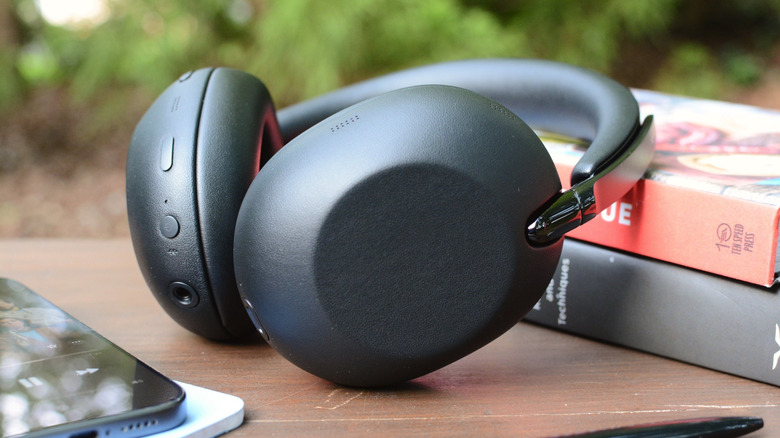
The active noise cancellation technology integrated into these headphones represents another area where expectations exceed reality. Previous Sony models, particularly the WH-1000XM6, established a high performance benchmark that the 1000X The Collection struggles to match. The ambient noise reduction effectiveness, measured across various frequency ranges, demonstrates a measurable decrease in performance compared to last year's flagship model. Users accustomed to the near-total isolation provided by earlier generations may experience disappointment with the more modest noise suppression capabilities. This performance regression becomes especially noticeable in high-noise environments such as airports, public transportation, and open office spaces where robust ANC functionality is essential.
The technical specifications reveal the compromises Sony made to achieve the desired aesthetic presentation. The driver configuration, while competent, utilizes components optimized for form factor reduction rather than acoustic excellence. The impedance characteristics and frequency response curves indicate that engineering decisions prioritized thinness and weight reduction over maximum audio output and dynamic range. These technical trade-offs suggest that Sony's development team faced competing demands between creating an ultra-premium product and maintaining the performance standards established by the 1000X brand heritage. The result is a device that succeeds in one category while disappointing in its primary functional domain.
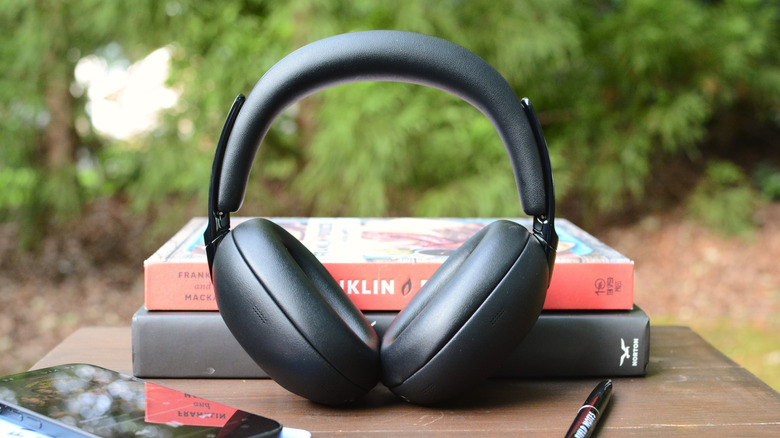
Battery performance remains a reliable strength of these premium Sony headphones, though not exceptionally remarkable. The lithium-ion power management system delivers approximately 30 hours of continuous playback on a full charge, which aligns with industry standards but does not represent an advancement over competing products. The fast-charging capability allows users to achieve several hours of operation from just a fifteen-minute charging interval, a practical feature for busy professionals. However, battery longevity degrades relatively quickly with repeated charge cycles, reaching approximately 70 percent of original capacity after approximately two years of regular use. The overall power efficiency remains adequate but unremarkable given the price point and the emphasis on luxury positioning.
The connectivity features integrated into the 1000X The Collection demonstrate thoughtful implementation across multiple wireless protocols. Bluetooth 5.3 connectivity provides stable wireless range extending approximately thirty feet in typical indoor environments with minimal interference from competing signals. The multipoint pairing capability enables seamless switching between multiple connected devices, a feature increasingly expected in premium audio products. However, the lack of USB-C connectivity in certain regional variants and the absence of advanced wireless technologies like WiFi 6 represent notable omissions in a device at this price level. The proprietary Sony companion application offers extensive customization options but exhibits occasional stability issues that detract from the user experience.

Build quality and durability considerations deserve detailed examination, as these factors directly influence long-term ownership satisfaction. The leather components, while aesthetically pleasing initially, demonstrate susceptibility to cracking and discoloration through normal use and environmental exposure. The metal frame components resist corrosion effectively but show visible fingerprints and smudging that require frequent cleaning to maintain appearance. Hinge mechanisms, despite their premium construction, exhibit creaking after extended use and may eventually require professional repair. The overall durability profile suggests these headphones perform best when handled with considerable care and protected from environmental extremes, limiting their suitability for frequent travelers or casual users prone to dropping their equipment.
Comfort during extended wearing sessions presents mixed results that warrant honest assessment. The leather ear cushions initially feel luxurious and provide adequate padding for several hours of continuous use without significant discomfort. However, leather conducts heat less effectively than traditional memory foam, resulting in noticeable warmth accumulation during longer listening periods and warmer environmental conditions. The headband pressure, carefully balanced to avoid discomfort during normal use, occasionally causes mild irritation during extended sessions exceeding four consecutive hours. Users with larger head dimensions may experience fit issues, as the adjustment range appears optimized for average-sized individuals. Glasses wearers frequently report increased ear cup pressure and reduced comfort compared to the WH-1000XM6 model.
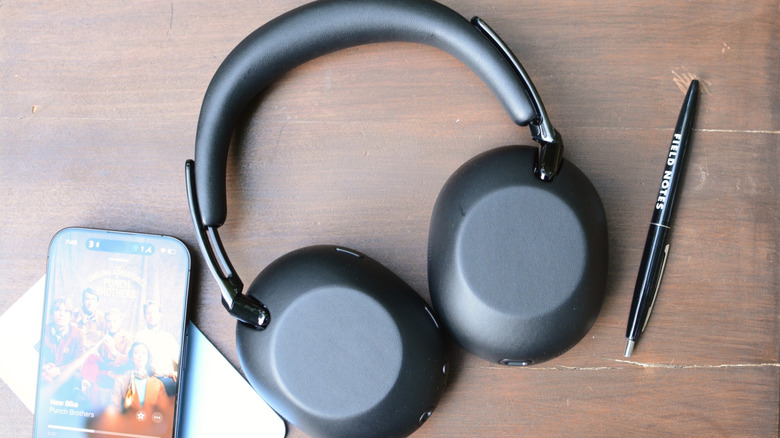
The pricing strategy surrounding the 1000X The Collection positions it significantly above comparable competitors in the audio market. At the premium price point established by Sony, consumers might reasonably expect performance metrics matching or exceeding the previous generation's flagship model. Instead, purchasers receive enhanced aesthetic appeal and luxury materials at the expense of functional audio performance. This positioning decision raises important questions about value proposition and whether luxurious appearance justifies reduced acoustic and noise-cancellation capabilities. For consumers prioritizing practical performance over status symbols, the previous year's WH-1000XM6 model represents substantially better overall value and superior functionality.
The target demographic for these luxury anniversary headphones appears to encompass status-conscious consumers who value brand prestige and aesthetic appeal more heavily than technical specifications. Collectors interested in limited-edition audio equipment and individuals seeking distinctive design elements may find genuine appeal in this release. However, serious audiophiles and performance-focused users should carefully evaluate whether the luxury presentation justifies significant sacrifices in sound quality and noise cancellation effectiveness. The 1000X The Collection succeeds as a fashion accessory and luxury status symbol but disappoints as an advancement in Sony's audio engineering prowess. This strategic positioning represents a fundamental departure from the brand's historical emphasis on uncompromising audio quality and technical innovation.
In conclusion, the Sony 1000X The Collection celebrates a milestone anniversary through aesthetic refinement rather than technical advancement. The premium materials and luxury construction create an undeniably attractive product that turns heads and communicates status through design excellence. However, these accomplishments arrive alongside measurable compromises in the core functionality that defines headphone performance. Potential buyers must honestly assess whether visual appeal and luxury craftsmanship compensate for reductions in sound quality and noise cancellation capabilities compared to previous-generation models. For the vast majority of consumers, the WH-1000XM6 remains the superior choice, offering better audio performance and noise isolation at a more reasonable price point. The 1000X The Collection ultimately represents a luxury-focused marketing exercise that sacrifices practical performance on the altar of aesthetic prestige.
Source: Engadget
.jpg&w=3840&q=75)

