
Sony A7R VI: 67MP Sensor Meets 30fps Speed

Sony's flagship A7R VI camera combines a massive 67MP stacked sensor with impressive 30fps shooting and 8K video. Here's what makes it revolutionary.
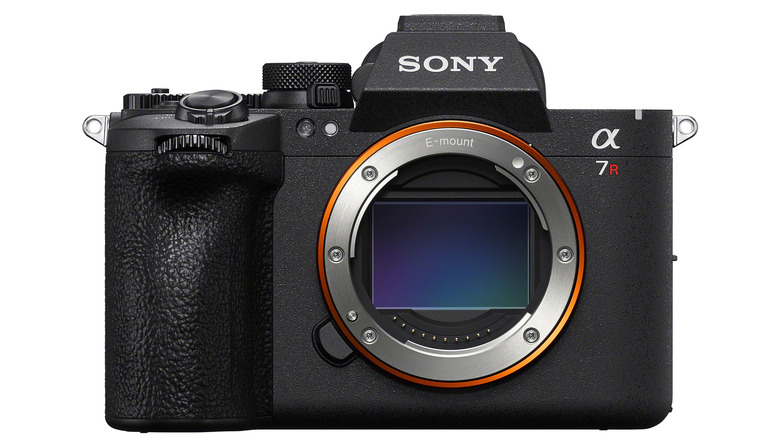
Sony has unveiled its latest flagship mirrorless camera, the A7R VI, which represents a significant leap forward in professional photography technology by seamlessly combining exceptional resolution with unprecedented shooting speed. This high-resolution camera marks a turning point in the industry, where photographers no longer need to choose between capturing massive amounts of detail or achieving fast frame rates. The A7R VI's revolutionary design demonstrates Sony's commitment to pushing the boundaries of what's possible in digital imaging.
At the heart of the A7R VI lies a cutting-edge 67MP stacked sensor that delivers extraordinary image quality while maintaining remarkable performance capabilities. The stacked sensor architecture represents years of research and development, allowing the camera to process information at lightning-fast speeds without the limitations that have traditionally plagued high-resolution systems. This sensor technology enables photographers to capture intricate details across an expansive frame while maintaining the responsiveness professionals demand in fast-paced shooting situations.
One of the most impressive specifications of the A7R VI is its ability to shoot at 30 frames per second with absolutely no blackout in the viewfinder. This continuous shooting capability allows photographers to maintain visual contact with their subject throughout the entire burst sequence, eliminating the frustrating gaps that plague other high-resolution cameras. Whether capturing wildlife in motion, sports action, or any fast-moving subject, photographers can now track their subjects with complete visual feedback, fundamentally changing how high-resolution photography workflows function.
Beyond still photography, the A7R VI pushes boundaries in 8K video recording, capable of capturing 8K footage at 30 frames per second. This represents a massive leap forward for filmmakers and content creators who demand the highest possible video quality for their productions. The combination of extraordinary resolution and smooth frame rates makes the A7R VI an attractive option not just for still photographers, but for hybrid creatives who need both capabilities in a single device.
The technical specifications reveal just how comprehensively Sony has engineered the A7R VI for professional use. The full-frame sensor design provides the depth of field characteristics and light-gathering abilities that professionals have come to expect, while the stacked sensor technology ensures that increased resolution doesn't come at the cost of speed or functionality. Professional photographers working in demanding environments, from studio settings to unpredictable outdoor conditions, will appreciate the reliability and performance this camera promises to deliver.
The continuous autofocus system that powers the A7R VI has been completely reimagined to handle the demands of high-speed shooting with massive pixel counts. Real-time tracking ensures that moving subjects remain in focus throughout extended burst sequences, while the improved algorithm performance helps photographers achieve higher keeper rates even in challenging lighting conditions. This represents a crucial advancement for professionals who cannot afford missed shots due to focus hunting or tracking failures.
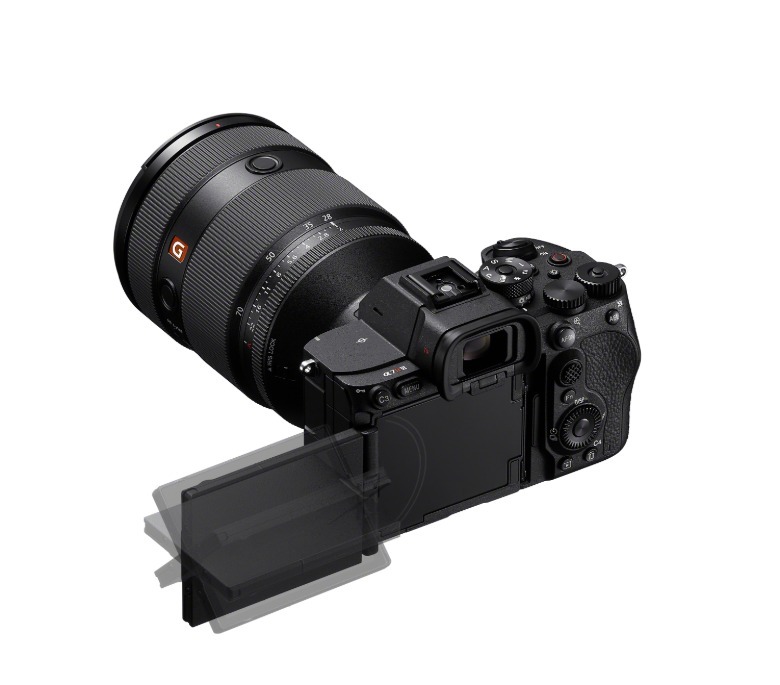
Storage and workflow considerations have been carefully addressed in the A7R VI's design, as the massive file sizes generated by 67MP images at 30fps demand robust technical solutions. The camera supports the latest and fastest memory card formats, enabling photographers to maintain continuous shooting without worrying about buffer limitations. This practical consideration ensures that the A7R VI's impressive specs translate into real-world usability for professionals managing large-scale projects.
The professional camera market has been eagerly anticipating a solution that combines high resolution with high speed, and the A7R VI appears to deliver comprehensively on this long-standing demand. Photography professionals who have invested in Sony's E-mount ecosystem will find the A7R VI integrates seamlessly with their existing lenses and accessories. The camera's positioning as a flagship model suggests that Sony views this specification combination as the future direction for professional imaging technology.
Looking at the broader context of camera development, the A7R VI represents a watershed moment where computational photography, sensor engineering, and processing power have converged to overcome previously insurmountable technical limitations. Previous generations of high-resolution cameras forced users to accept slower shooting speeds or accept artifacts and limitations. Sony's achievement with the A7R VI demonstrates that modern engineering can deliver both capabilities simultaneously, setting a new standard for what photographers should expect from flagship equipment.
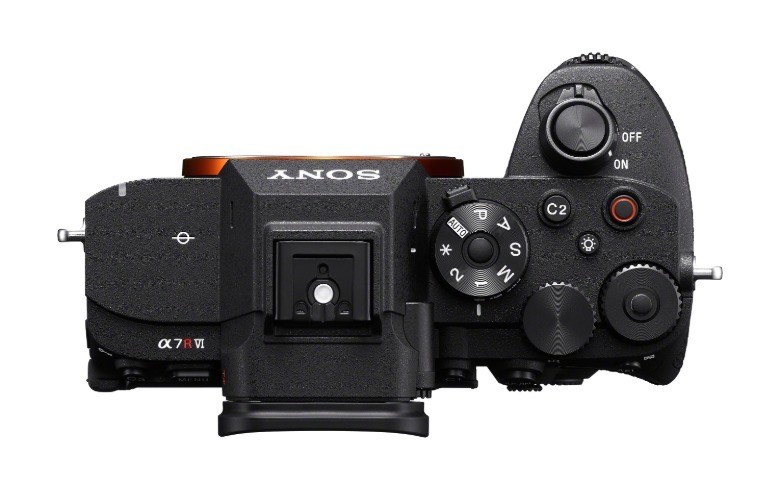
The implications of the A7R VI extend beyond just the specifications themselves, representing a philosophical shift in how Sony approaches professional camera design. By prioritizing both resolution and speed, the company acknowledges that modern photographers need versatile tools capable of handling diverse shooting scenarios without compromise. This holistic approach to design promises to appeal to a wide range of professionals, from high-fashion photographers to wildlife specialists and documentary filmmakers.
For photographers considering an upgrade or building a professional kit, the A7R VI presents a compelling proposition as a main camera body that can handle virtually any assignment. The combination of the 67MP sensor, 30fps capability, no-blackout viewfinder, and 8K video recording creates a remarkably complete package that addresses the needs of modern imaging professionals. As the camera technology landscape continues to evolve, the A7R VI establishes itself as a benchmark for innovation and professional capability that will influence industry standards for years to come.
Source: Engadget


