
Sony Settles PlayStation Store Lawsuit for $7.8M

Sony agrees to $7.8 million settlement in PlayStation Store class action lawsuit. Affected users will receive automatic credits to their PSN accounts.
Sony Interactive Entertainment has reached a significant settlement agreement valued at $7.8 million to resolve a class action lawsuit involving its PlayStation Store. This landmark settlement comes after extended legal proceedings and represents a major resolution for the video gaming giant regarding consumer protection matters related to its digital storefront operations.
The settlement will provide relief to customers who were affected by practices related to the PlayStation Network platform. Rather than requiring individual claims, PSN account holders who qualify for the settlement will have their accounts automatically credited with compensation. This streamlined approach ensures that eligible consumers receive their restitution without having to navigate complex claim procedures or submit extensive documentation to participate in the settlement process.
This case represents one of several legal challenges that major gaming platforms have faced regarding consumer practices and digital marketplace operations. The PlayStation Store settlement reflects growing scrutiny from regulators and consumers concerning how digital gaming platforms conduct their business operations and handle customer transactions. The resolution demonstrates Sony's willingness to address grievances through negotiated settlements rather than prolonged litigation.
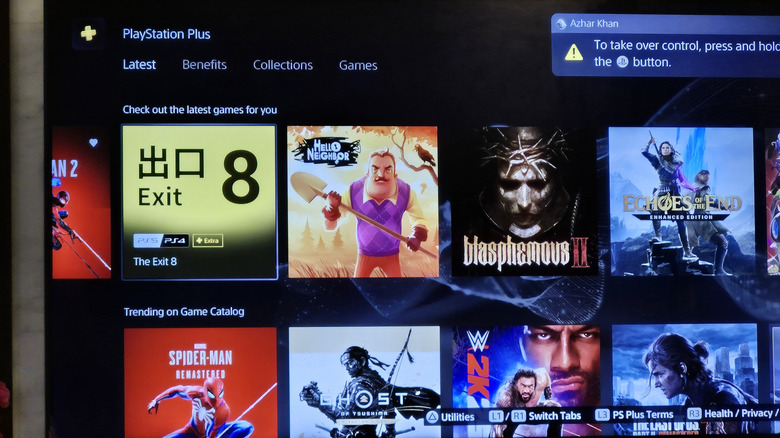
The automatic crediting mechanism is particularly noteworthy as it prioritizes ease of access for affected consumers. Rather than requiring users to actively pursue claims through a claims administrator, PlayStation Network members will see their accounts credited directly, ensuring maximum participation in the settlement distribution. This approach has become increasingly common in large-scale consumer settlements and reflects best practices in consumer protection law.
The specific details of which accounts qualify for credits will be determined by the settlement administrator, who will conduct analysis of transaction histories and account usage patterns to identify affected parties. The process is designed to be transparent and fair, ensuring that those who were genuinely impacted by the underlying practices receive appropriate compensation. Sony has committed to cooperating fully with settlement administration to facilitate timely and accurate distribution of funds.
Legal experts have noted that this settlement aligns with broader trends in consumer protection litigation affecting the technology and gaming industries. Major platforms have increasingly faced challenges regarding pricing practices, refund policies, and consumer disclosure requirements. The PlayStation lawsuit settlement adds to a growing body of cases that have shaped how digital marketplaces operate and handle customer relationships.
The $7.8 million settlement amount reflects Sony's assessment of potential liability and the scope of affected consumers. While the company has not admitted wrongdoing as part of the settlement agreement, the resolution allows both parties to avoid the uncertainty and expense associated with prolonged litigation. Settlement agreements in class action cases typically include such non-admission clauses, allowing companies to resolve disputes while preserving their legal positions.
For PlayStation Network subscribers, the settlement represents a positive outcome after uncertainty regarding their rights as digital platform consumers. The automatic crediting process means that no action is required on their part to receive compensation, streamlining what could have been a complicated claims process. This user-friendly approach should result in high participation rates and ensure that settlement funds reach their intended recipients efficiently.
The settlement is expected to receive final court approval following a review period during which class members can submit any objections or concerns. This standard procedure ensures that the settlement terms are fair and reasonable under applicable law. Once approved, the PlayStation Store settlement will move into the distribution phase, with credits beginning to appear on eligible accounts.
This resolution comes as the gaming industry continues to face increased regulatory attention regarding digital marketplace practices. Regulators and consumer advocates have expressed concerns about various aspects of how gaming platforms operate, from pricing transparency to refund policies. The PlayStation lawsuit settlement reflects these broader concerns and demonstrates the importance of maintaining fair consumer practices in the digital gaming economy.
Moving forward, the settlement may influence how Sony and other gaming platforms approach their customer relationships and business practices. Companies often use major settlements as opportunities to review and strengthen their policies to prevent future legal challenges. The resolution of this class action case provides an opportunity for Sony to reinforce its commitment to customer satisfaction and fair dealing in its digital marketplace operations.
For affected consumers who use PlayStation services regularly, the automatic credit will provide tangible value that can be applied toward future game purchases, downloadable content, subscriptions, or other digital offerings on the PlayStation Store. This practical benefit ensures that the settlement provides real economic value rather than merely resolving abstract legal claims. The automatic crediting mechanism maximizes the likelihood that settlement funds will actually be used by consumers rather than remaining unclaimed.
The settlement also highlights the importance of class action litigation in protecting consumer interests in the digital economy. By aggregating individual claims that might be too small to pursue separately, class actions create meaningful incentives for companies to comply with consumer protection laws. This case demonstrates how class litigation can lead to meaningful results even when individual consumer harm might appear modest.
As the gaming industry continues to evolve and expand its digital offerings, settlements like this one serve as important reminders of the regulatory landscape that governs digital marketplaces. Sony and other industry participants must balance innovation and business objectives with compliance and consumer protection obligations. This $7.8 million settlement represents a significant step toward ensuring that digital gaming platforms maintain high standards of customer treatment and transparency.
Source: Engadget


