
South Africa Envoy Summoned Over Ghana Violence

South Africa's top diplomat in Ghana faces urgent questioning following escalating attacks on foreign nationals. A viral video shows confrontations raising diplomatic tensions.
South Africa's highest-ranking diplomatic official in Ghana has been formally summoned by the Ghanaian government to address mounting concerns regarding attacks on foreign nationals originating from South African citizens. The diplomatic intervention comes amid escalating tensions between the two nations and growing international scrutiny of the treatment of migrants and foreign residents in South Africa.
The escalation was triggered by a viral video that circulated widely across social media platforms, showing a Ghanaian national being confronted and interrogated by South Africans about his immigration status. The footage sparked outrage both domestically in Ghana and internationally, highlighting the broader issues of xenophobic violence and discrimination that have plagued South Africa for years. The incident has become emblematic of the deeper societal challenges surrounding foreign nationals' safety and rights within the country.
This diplomatic incident represents a significant escalation in tensions between South Africa and Ghana, two of Africa's most developed and influential economies. The summoning of the envoy demonstrates Ghana's commitment to protecting its citizens abroad and holding South African authorities accountable for incidents of violence and discrimination. Such formal diplomatic actions underscore the seriousness with which regional governments are beginning to treat xenophobic violence.
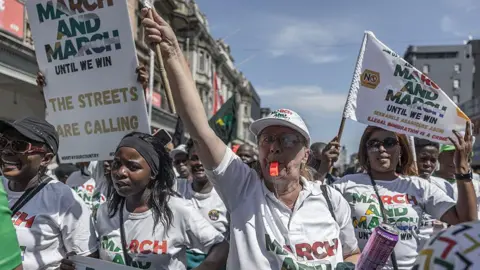
The situation reflects a persistent pattern of xenophobic violence that has characterized South Africa's social landscape since the country's democratic transition. Foreign nationals, particularly those from West Africa and other African nations, have repeatedly faced harassment, discrimination, and physical attacks from South African citizens. These incidents have created a climate of fear among immigrant communities and raised serious questions about the nation's ability to protect vulnerable populations.
The viral video served as a catalyst for renewed international attention on these systemic issues. Citizens from various countries, including Ghana, have documented numerous instances of discrimination and violence through social media, creating a powerful public record of the treatment foreign nationals face. This digital documentation has made it increasingly difficult for authorities to ignore or minimize the scope of the problem, forcing governments to take public action.
Ghana's response through official diplomatic channels signals a shift in how African nations are addressing xenophobic incidents involving their citizens. Rather than relying solely on bilateral negotiations, governments are now using formal diplomatic procedures to pressure South African authorities into taking concrete action. This approach reflects growing frustration with the pace of meaningful reform and genuine commitment to protecting foreign nationals.

The confrontation captured in the video illustrates the daily challenges faced by foreign workers in South Africa, who often encounter demands to prove their legal status despite possessing proper documentation. These encounters frequently escalate into physical confrontations and verbal abuse, leaving victims traumatized and uncertain about their safety. The normalization of such confrontations has created a hostile environment that undermines social cohesion and economic integration.
Experts and human rights organizations have long warned that foreign national safety in South Africa requires comprehensive reforms spanning law enforcement, education, and economic policy. Merely addressing individual incidents through diplomatic channels is insufficient without systemic changes to address the underlying causes of xenophobic attitudes. These root causes include economic inequality, unemployment, competition for resources, and inadequate education about the contributions of immigrants to society.
The economic relationship between South Africa and Ghana adds another dimension to this diplomatic crisis. Both nations are major players in the Southern and West African regions, and strained relations could have consequences for trade, investment, and regional cooperation. Business communities in both countries have expressed concern about how escalating tensions might affect bilateral economic relationships and integration efforts within the African Union framework.
South African authorities have faced mounting pressure to demonstrate that they are taking attacks on foreign nationals seriously and implementing meaningful preventive measures. The government has pledged to investigate the specific incident and ensure that those responsible face appropriate consequences. However, critics argue that individual prosecutions, while important, do not address the broader institutional failures that allow such incidents to occur with relative impunity.
The summoning of South Africa's envoy represents an important moment for diplomatic accountability in addressing xenophobic violence across the African continent. It signals that neighboring nations will no longer quietly accept violations against their citizens and are willing to escalate concerns through official diplomatic channels. This development could potentially inspire other nations to take similar action, creating collective pressure for systemic reform.
Looking forward, both governments will likely engage in discussions aimed at preventing future incidents and improving protection mechanisms for foreign nationals. These conversations may include proposals for joint task forces, improved training for law enforcement, public awareness campaigns, and economic initiatives that reduce competition and tension between South African and foreign workers. The effectiveness of these measures will depend on genuine political will and sustained commitment from all stakeholders.
The incident also reflects broader continental challenges regarding migration, belonging, and national identity across Africa. Many African nations continue to grapple with how to integrate foreign workers and migrants while addressing legitimate concerns about employment and resource allocation. Finding sustainable solutions requires balancing humanitarian principles with economic realities and cultural sensitivities.
Civil society organizations in both countries have called for stronger action against perpetrators of xenophobic violence and for educational initiatives to combat prejudice. These groups emphasize that lasting change requires engagement with communities, youth programs that promote tolerance, and economic opportunities that reduce the desperation that fuels violence. The international attention generated by the viral video has provided an opportunity to mobilize these efforts.
The resolution of this diplomatic crisis will likely set important precedents for how African nations respond to cross-border violence and discrimination. Whether South Africa can demonstrate meaningful commitment to protecting all residents regardless of national origin will significantly impact its international reputation and regional relationships. The coming weeks and months will be critical in determining whether this incident becomes a turning point for genuine reform or merely another forgotten controversy in an ongoing pattern of xenophobic incidents.
Source: BBC News


