
South Africa Rejects 'Fake Videos' in Xenophobia Row

South Africa denies allegations of xenophobic violence as Ghana demands AU investigation. Tensions escalate over social media claims.
South Africa has vehemently rejected what it characterizes as fabricated video evidence purporting to show xenophobic attacks against foreign nationals, amid escalating diplomatic tensions within the African continent. The country's government has issued formal statements challenging the authenticity of numerous online videos that allegedly document violence targeting immigrants and migrant workers from other African nations.
The denial comes as neighboring Ghana has taken a prominent role in demanding international scrutiny of the situation, calling upon the African Union to launch a comprehensive fact-finding mission. This diplomatic move underscores the severity of concerns being raised across African states regarding the treatment of foreign nationals within South Africa's borders. Ghana's intervention signals broader regional apprehension about the alleged pattern of violence and discrimination.
Tensions have been mounting for weeks as social media platforms have become inundated with videos claiming to depict violent incidents targeting foreign residents. South African officials argue that many of these videos are either doctored, taken out of context, or deliberately misrepresented to inflame regional relations and damage the country's international reputation. Government spokespersons have emphasized their commitment to investigating legitimate complaints while simultaneously warning against the spread of disinformation.
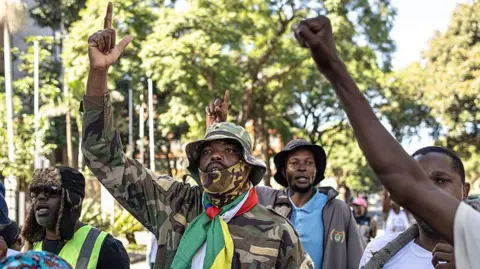
The xenophobia crisis in South Africa has become increasingly prominent in recent years, with documented incidents of violence against foreign nationals, particularly those from West Africa and Eastern Africa. These tensions have roots in economic competition, unemployment pressures, and long-standing social divisions that have been exacerbated by economic hardship and limited job opportunities. The situation has drawn international attention from human rights organizations and neighboring African governments concerned about the safety of their citizens.
Government representatives have characterized the viral video campaign as a deliberate attempt to undermine South Africa's standing within the African continent and the international community. Officials argue that while individual incidents of violence may occur in any diverse society, they do not constitute a systematic xenophobic campaign supported by state authorities or institutional structures. This position has been disputed by multiple international observers and humanitarian organizations.
The African Union's potential involvement in a fact-finding mission would represent a significant step in addressing the allegations formally. Such an investigation could provide independent verification of claims and counter-claims, potentially offering clarity to a situation that has become increasingly polarized through competing narratives shared on social media platforms. The organization's involvement would carry considerable weight in shaping the international response to the controversy.

Ghana's position has been particularly vocal, with government officials expressing serious concern about the safety and well-being of Ghanaian citizens residing in South Africa. The West African nation has mobilized diplomatic channels to push for a formal investigation that could establish definitive facts about the nature and extent of xenophobic incidents. This advocacy reflects broader concerns among African nations about protecting their nationals abroad and ensuring accountability for violence.
The dispute over video authenticity highlights the challenges of navigating truth in the digital age, where edited footage, deepfakes, and context-stripped clips can rapidly spread across social media platforms before verification occurs. South Africa's claim that many videos are fabricated raises important questions about media literacy and the responsibility of platforms in preventing the spread of potentially misleading content that could incite further violence or diplomatic conflict.
International human rights organizations have called for calm and rational investigation into all allegations, emphasizing that regardless of whether individual videos are authentic, the underlying issues of discrimination and violence against foreign nationals require serious attention. These organizations have documented patterns of xenophobic sentiment and violence in South African communities, suggesting that while specific videos may be disputed, broader trends warrant investigation.
The broader context of this dispute involves South Africa's complex history with immigration and integration, combined with contemporary economic pressures that have fueled resentment toward foreign workers. Competition for low-wage jobs, housing, and services has historically provided fertile ground for xenophobic sentiment, with periodic outbreaks of violence occurring over the past two decades. Understanding these underlying tensions is essential for evaluating the current allegations and counter-allegations.
South African civil society organizations have offered mixed perspectives on the situation, with some defending the government's position on video authenticity while others have documented genuine instances of violence and discrimination against foreign nationals. This diversity of viewpoints within South Africa itself underscores the complexity of the issue and the difficulty of arriving at simple conclusions about the prevalence or nature of xenophobic violence.
The diplomatic crisis underscores the importance of transparent investigation, responsible media engagement, and commitment to protecting vulnerable populations regardless of their national origin. As the African Union considers its response to Ghana's request, stakeholders across the continent will be watching to see whether a formal investigation proceeds and what mechanisms might be established to prevent future violence and promote peaceful coexistence among diverse populations.
Moving forward, the resolution of this dispute will likely depend on establishing credible, independent mechanisms for verifying allegations and investigating incidents. Both South Africa and Ghana, along with other concerned African nations, have an interest in clarifying the facts and working toward solutions that protect vulnerable populations while promoting accurate information sharing. The ultimate goal must be ensuring the safety and dignity of all individuals, regardless of national origin, while maintaining respect for truth and evidence in addressing serious allegations.
Source: BBC News


