
South East Water CEO Steps Down After Major Supply Crisis

David Hinton to leave South East Water following widespread outages in Kent and Sussex. Successor search underway as leadership crisis deepens.
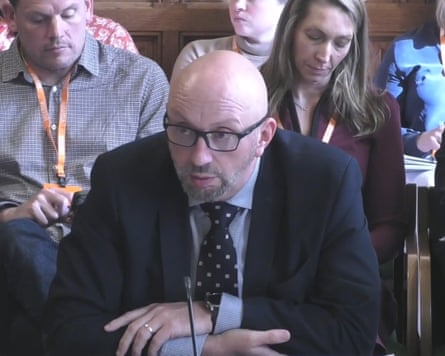
In a significant development for the embattled water utility sector, David Hinton, the chief executive of South East Water, has announced his intention to step down from his leadership position. This announcement comes merely one week after the company's chairman departed amid mounting pressure following widespread service disruptions that left thousands of customers without adequate water supply across Kent and Sussex.
The departure of the CEO represents a major shake-up in the company's executive structure during what has proven to be an extraordinarily challenging period for the organization. South East Water confirmed that Hinton, who first joined the group's board back in 2013, will remain in his current role throughout the transition period to ensure operational continuity and management stability. The utility has stated that this arrangement will facilitate an orderly handover process as the company undertakes an extensive search for a qualified successor to lead the organization through its recovery phase.
The timing of these executive departures underscores the severity of the operational failures that precipitated this crisis. The recent outages in Kent and Sussex represented one of the most significant service disruptions in recent memory for the water company, affecting hundreds of thousands of residents and businesses dependent on reliable water supply. These incidents generated substantial public outcry and regulatory scrutiny, placing considerable pressure on the company's leadership to take decisive action and demonstrate accountability.

Hinton's decision to step down comes after he previously announced that he would forgo his annual bonus in response to the unacceptable service failures that occurred during the peak summer months. This move was interpreted by industry observers as an attempt to demonstrate personal accountability for the operational deficiencies that contributed to the outages. However, the announcement of his full resignation suggests that internal stakeholders and the board determined that more substantial leadership change was necessary to restore confidence in the company's management and operational capabilities.
The water utility company has indicated that the search for Hinton's replacement will proceed throughout the summer months, with the departing CEO remaining available to facilitate knowledge transfer and ensure that critical operational matters continue to receive appropriate attention. This approach is designed to prevent a leadership vacuum during a period when the company faces significant challenges in restoring its reputation and implementing necessary infrastructure improvements.
The situation at South East Water reflects broader challenges facing the water industry in England and Wales, where aging infrastructure, population growth, and climate pressures have created substantial operational demands. The company's management has faced increasing calls from regulators and customer advocacy groups to accelerate investment in system resilience and modernization efforts to prevent future supply disruptions.
Industry analysts have noted that the departure of both the chairman and chief executive within such a short timeframe may signal deeper organizational issues that require more fundamental restructuring. The water regulator Ofwat has already indicated that it will be scrutinizing the company's response to the outages and monitoring progress on the implementation of corrective measures. The regulatory body has substantial powers to impose penalties and require specific actions if it determines that the company has failed to meet its service obligations.
The transition period ahead will be critical for South East Water's future trajectory and standing within the industry. The incoming CEO will inherit significant challenges, including rebuilding public trust, managing regulatory relationships, and overseeing substantial capital investments in infrastructure upgrades. The board's decision to allow Hinton to remain in place during the transition reflects an understanding that continuity in senior management during periods of crisis can help stabilize operations and prevent further deterioration in service quality.
The broader context of this leadership crisis includes sustained criticism of the privatized water companies in England and Wales regarding their investment priorities, executive compensation, and environmental performance. South East Water, like its peers, has faced mounting pressure from politicians, environmental groups, and customers regarding sewage discharges and other environmental concerns. These systemic issues have created a challenging operating environment for water utility leadership.
The succession process will likely involve identifying candidates with proven experience in managing large infrastructure utilities and navigating complex regulatory environments. The new leader will need to demonstrate strong technical knowledge of water systems, strategic vision for long-term capital investment, and the ability to engage effectively with regulatory authorities and customer stakeholders. The board will probably seek someone with experience in either the water sector or comparable utility industries.
Looking ahead, South East Water faces a critical period of operational recovery and strategic repositioning. The company must demonstrate tangible improvements in service reliability while simultaneously managing customer expectations regarding future investment requirements and potential rate increases. The departure of senior leadership provides an opportunity for the organization to reset its approach to operational management and stakeholder engagement, but it also creates uncertainty during an already challenging period for the utility.
Source: The Guardian

