
South East Water Chair Steps Down Following MP Report

South East Water's chairman resigns after MPs express no confidence in company leadership. Read details on the critical findings.
The chairman of South East Water has announced his resignation following mounting pressure from parliamentary lawmakers who have publicly declared their lack of confidence in the organization's senior management team. This significant development marks a turning point for the water company, which has faced mounting scrutiny over its operational and governance practices in recent months.
The decision to step down comes in the wake of a damaging critical report that detailed serious concerns about the company's leadership structure and decision-making processes. Members of Parliament who reviewed the findings expressed their doubts about whether current management could effectively steer the company through the challenges it faces, particularly regarding service delivery and customer satisfaction in the South East region.
This resignation represents a pivotal moment for the water utility, which serves millions of customers across a significant portion of England's south-eastern region. The departure of the chairman signals the beginning of what industry observers expect will be a comprehensive review of the company's governance framework and operational strategy moving forward.
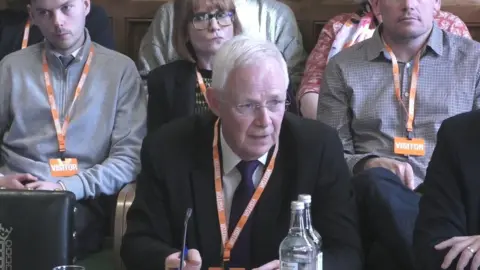
The MPs' no confidence vote reflects growing concerns about the company's handling of critical infrastructure responsibilities and customer relations. Parliamentary oversight committees had been monitoring the organization's performance, and their findings painted a picture of significant management challenges that required immediate intervention at the highest levels of the organization.
South East Water serves a substantial customer base across Kent, Sussex, and Surrey, making any leadership changes particularly consequential for the millions of households and businesses that depend on the company's services. The chairman's decision to resign acknowledges the severity of the parliamentary concerns and suggests recognition that fresh leadership may be necessary to restore confidence in the organization.
Industry analysts have suggested that the resignation creates an opportunity for the company to implement substantial changes to its governance structure and operational priorities. The appointment of new leadership will be closely watched by regulators, customers, and parliamentary observers who will assess whether meaningful improvements can be achieved under different management direction.

The leadership transition at South East Water is expected to involve a comprehensive search for a new chairman who can address the concerns raised in the critical report. Board members and stakeholders will need to identify candidates with demonstrated experience in utility management and a proven track record of implementing organizational improvements in complex operational environments.
The company's previous leadership faced criticism regarding various operational matters, including infrastructure maintenance, investment decisions, and customer service responsiveness. These issues had accumulated over time, ultimately prompting the parliamentary inquiry that resulted in the damaging findings now forcing organizational change at the executive level.
Water companies across the United Kingdom have faced increased regulatory scrutiny in recent years, with particular attention paid to environmental performance, financial management, and corporate governance standards. South East Water's situation reflects broader industry challenges that several major utilities have confronted as regulators and lawmakers demand higher standards of accountability and operational excellence.

The governance issues identified in the parliamentary report raise questions about the adequacy of current oversight mechanisms within the company's board structure. Incoming leadership will likely need to implement enhanced governance protocols, improved transparency measures, and stronger accountability frameworks to address these systemic concerns identified by MPs.
Customers of South East Water will likely hope that the leadership change marks the beginning of a period of improved service delivery and greater responsiveness to their needs and concerns. The company's performance metrics, customer satisfaction ratings, and infrastructure investment levels will be scrutinized closely during the transition period and beyond.
The resignation also carries implications for the broader water industry, as other utilities may face increased pressure to strengthen their own governance frameworks in response to South East Water's difficulties. Regulatory bodies and industry observers will be watching to see whether the company can successfully implement the changes necessary to restore public and parliamentary confidence.
Looking forward, the appointment of a new chairman will be crucial to the company's trajectory and its ability to rebuild trust with customers, regulators, and political stakeholders. The incoming leader will inherit a substantial agenda focused on operational improvement, governance enhancement, and demonstrating tangible progress on the issues raised in the critical parliamentary report.
The South East Water leadership change represents a critical juncture for the organization and signals that parliamentary scrutiny and public pressure can drive meaningful accountability in utility management. The company's ability to emerge from this crisis will depend largely on the quality of its new leadership and the comprehensiveness of the reforms implemented in response to the parliamentary findings.
Source: BBC News


