
South Sudan Plane Crash Kills 15 in Tragedy

A devastating aircraft accident in South Sudan has claimed the lives of all 15 people aboard. Investigators examine potential causes including severe weather conditions.
A catastrophic plane crash in South Sudan has resulted in the tragic loss of all 15 individuals who were on board the aircraft, marking a devastating incident for the region. The aviation accident has prompted immediate investigation efforts by local and regional authorities, who are working to determine the precise circumstances that led to the fatal collision. Emergency response teams mobilized quickly to the crash site, though the severity of the impact left no survivors among the passengers and crew members present on the flight.
Initial assessments from investigators and eyewitness accounts have pointed toward environmental factors as potential contributors to the disaster. Bad weather conditions and severely compromised visibility during the time of the incident have emerged as leading theories in the preliminary investigation phase. These meteorological challenges are common hazards in South Sudan's aviation sector, particularly during certain seasons when atmospheric conditions deteriorate significantly, making flight operations increasingly risky and unpredictable.
The poor visibility reported at the time of the crash would have presented significant challenges for pilots attempting to navigate safely through the airspace around the region. Dense cloud cover, precipitation, or other atmospheric phenomena may have obscured crucial visual references needed for safe landing and flight operations. Such conditions have historically been implicated in numerous aviation incidents across East Africa and the broader Sub-Saharan region.
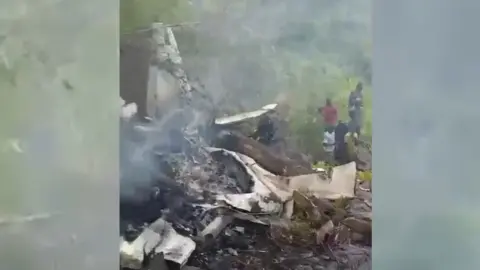
The investigation into this South Sudan aviation disaster will likely examine multiple contributing factors beyond weather alone. Authorities typically analyze aircraft maintenance records, pilot qualifications, communication logs, and mechanical integrity assessments to develop a comprehensive understanding of how the accident occurred. The aircraft accident investigation process involves coordination between national aviation authorities and potentially international aviation safety organizations, depending on the aircraft's origin and registry.
South Sudan's aviation infrastructure has faced considerable challenges in recent years due to political instability and limited resources for maintaining safety standards and operational oversight. The nation's airspace management systems and ground support facilities operate under constrained conditions that can complicate flight operations and emergency response coordination. These systemic limitations may have played indirect roles in the circumstances surrounding this fatal incident, though investigators will focus on the specific conditions present during the crash event.
The loss of life in this incident represents a profound tragedy for the families of those on board and for the broader South Sudanese community. The 15 fatalities underscore the inherent risks associated with air travel in regions where weather can be unpredictable and infrastructure remains underdeveloped. Each individual aboard the aircraft had connections to their communities, whether as crew members performing their professional duties or passengers traveling for various personal or business reasons.

International aviation safety organizations have maintained focus on improving standards across the African continent, where accidents involving smaller aircraft remain a persistent concern. The aviation safety community recognizes that factors such as inadequate maintenance protocols, insufficient pilot training, and limited ground infrastructure contribute to elevated accident rates in certain regions. South Sudan faces particular challenges given its ongoing recovery from years of civil conflict and its limited economic resources for aviation infrastructure development.
The weather patterns across South Sudan during the period of the crash warrant detailed examination, as meteorological data will be crucial in understanding visibility conditions and atmospheric stability at the time of the incident. Radar records, weather station observations, and pilot reports from other aircraft operating in the region during the same timeframe can provide valuable context for investigators. These technical details will help establish whether the weather conditions exceeded safe operating parameters for the aircraft type involved.
Emergency services and local authorities have been coordinating efforts to secure the crash site and conduct preliminary evidence collection before more formal investigative procedures commence. The recovery and identification of remains, while difficult, represents an important part of honoring the deceased and providing closure to affected families. Local and national officials have pledged to conduct a thorough and transparent investigation into the causes of this tragedy.
The findings from this plane crash investigation will likely contribute to broader discussions about aviation safety standards and improvements needed within South Sudan and across the East African region. Recommendations emerging from the investigation could inform policy changes, training requirements, or infrastructure investments aimed at preventing similar incidents in the future. The aviation sector will scrutinize lessons learned to enhance operational safety protocols across the continent.
This incident serves as a sobering reminder of the importance of rigorous safety standards, proper maintenance procedures, and adequate training for aviation professionals operating in challenging environments. As investigators continue their work to determine the definitive cause of the crash, the aviation community and international observers will closely monitor the findings and any subsequent recommendations for improving operational safety in the region and beyond.
Source: BBC News


