
SpaceX IPO Plan Grants Musk Sweeping Control

SpaceX's upcoming IPO will give Elon Musk virtually unchecked executive power while severely limiting shareholder rights to sue, according to Reuters.
SpaceX's highly anticipated initial public offering is poised to fundamentally reshape corporate governance by granting CEO Elon Musk unprecedented executive authority while simultaneously eroding critical shareholder protections that investors typically rely upon. According to a comprehensive analysis by Reuters, the space exploration company's IPO registration statement reveals a sophisticated multi-layered approach to consolidating power that would set new precedents in how public companies structure their ownership and control mechanisms.
The filing demonstrates that SpaceX's IPO strategy incorporates a combination of defensive mechanisms designed to shield management from shareholder interference. These include supervoting shares that grant disproportionate voting power to existing insiders, mandatory arbitration clauses that prevent disputes from reaching public courts, and unusually restrictive rules governing shareholder proposals. Additionally, the company has strategically chosen to incorporate in Texas, which offers corporate law frameworks that provide greater latitude to management in limiting shareholder rights compared to Delaware incorporation, which remains the standard for most major American corporations.
Reuters' investigation revealed that these structural provisions will "erode typical shareholder protections in unprecedented ways," creating a governance environment where investor rights are substantially curtailed compared to typical publicly-traded companies. The publication emphasized that the confluence of these various mechanisms creates a system where conventional checks and balances on executive authority are virtually eliminated, raising important questions about what public shareholders are actually purchasing when they buy SpaceX shares during the IPO.
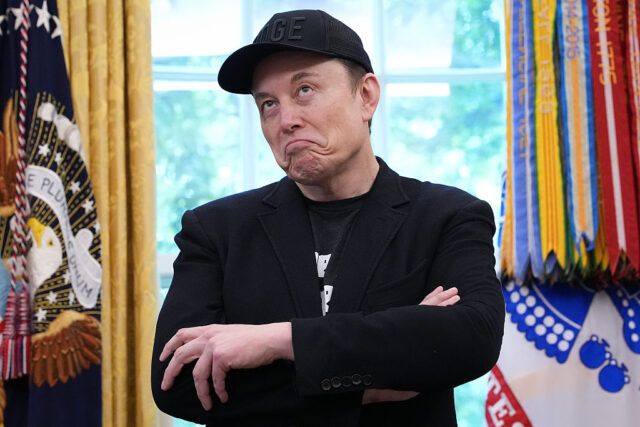
One of the most striking aspects of SpaceX's IPO governance plan is the supervisory arrangement regarding Musk himself. Reuters explicitly stated that "the only person who can fire Elon Musk is Elon Musk," highlighting the extent to which the CEO will retain unilateral control through his majority stake of supervoting shares. This arrangement effectively removes any meaningful board-level oversight or shareholder ability to remove the CEO, regardless of his performance or controversies. The supervoting share structure ensures that Musk's voting power will remain disproportionately large compared to his actual equity ownership, allowing him to maintain effective control even if his personal stake declines over time.
The mandatory arbitration clause represents another crucial limitation on investor protections. By requiring disputes to be resolved through private arbitration rather than public court proceedings, SpaceX shareholders will be unable to mount the type of class-action lawsuits that have historically served as accountability mechanisms in the public markets. This provision becomes particularly significant when considering recent precedent from Tesla, where shareholders successfully challenged a proposed multibillion-dollar compensation package for Musk in court—a victory that would likely have been impossible under SpaceX's proposed arbitration requirements.
SpaceX's restrictions on shareholder proposals go significantly beyond standard corporate practice. The stricter rules will make it substantially more difficult for investors to bring governance issues to a vote, effectively silencing the traditional shareholder advocacy mechanisms that provide minority investors with a voice in corporate affairs. Combined with the Texas corporate law framework the company selected, these provisions create multiple layers of insulation protecting management from shareholder oversight and accountability.
The comparison to Tesla's experience illuminates why SpaceX has implemented these governance safeguards. In a landmark 2024 ruling, a Delaware judge voided a $56 billion compensation package that Musk had negotiated with Tesla's board, determining that the process by which the deal was approved lacked sufficient shareholder input and independent board judgment. That decision demonstrated how public shareholders, when armed with court access and voting rights, could challenge even extraordinarily valuable compensation arrangements for powerful executives. SpaceX's governance structure appears deliberately designed to prevent any similar shareholder uprising from succeeding.
The implications of SpaceX's IPO structure extend beyond the individual company. Corporate governance experts view the filing as a potential template that could influence how other companies, particularly those led by visionary founders with substantial personal stakes, structure their public offerings. If successful, SpaceX's approach might normalize increasingly restrictive shareholder protections, gradually shifting the balance of power in public markets further toward management at the expense of public investors. The filing raises philosophical questions about what "going public" means when public shareholders receive severely limited rights compared to traditional corporate structures.

From a regulatory perspective, the SEC's approval of SpaceX's governance framework would represent a significant statement about acceptable corporate structures in modern American capital markets. The Securities and Exchange Commission has the authority to challenge governance provisions it deems excessively harmful to investor interests, though it rarely exercises this power. The agency's stance on SpaceX's filing could influence regulatory expectations for other companies contemplating similarly concentrated control structures in their own public offerings.
Prospective investors in the SpaceX IPO will need to carefully evaluate whether the company's technological achievements and market position justify accepting substantially limited shareholder rights. The trade-off between investing in a company with clear strategic vision and leadership consistency versus accepting significantly reduced governance protections represents a fundamental calculation that public market participants will need to make. Some investors may view the concentration of authority under Musk's leadership as ensuring decisive decision-making and innovation, while others may see it as an unacceptable concentration of risk and removal of investor protections.
The broader implications of SpaceX's governance choices extend into questions about the future direction of shareholder capitalism in the United States. If major technology companies increasingly adopt restrictive governance structures during their IPOs, this could fundamentally reshape the relationship between public investors and corporate management. The filing serves as a clear articulation of how modern founders with substantial wealth and control can structure public offerings to maintain near-total autonomy while still accessing public capital markets for expansion and development.
Source: Ars Technica


