
SpaceX Starship V3 Launch Delayed by Ground System Glitch

SpaceX's ambitious Starship V3 rocket launch was scrubbed just 40 seconds before liftoff due to a ground system malfunction at the South Texas facility.
SpaceX experienced a frustrating setback Thursday as its highly anticipated first flight of the enhanced Starship V3 rocket was postponed at the final moments, with the launch team forced to halt the countdown a mere 40 seconds before ignition. The aerospace company's ambitious test flight, which would have demonstrated the capabilities of a taller and significantly more powerful iteration of its flagship deep-space vehicle, fell victim to a ground system issue originating from the launch tower infrastructure at the company's South Texas testing facility.
Conditions appeared favorable for the launch attempt as morning clouds and intermittent rain showers dissipated over the sprawling launch site, revealing predominantly clear skies and pleasant weather overhead. The SpaceX launch team made an initial decision to push back the scheduled launch window by approximately one hour to allow additional time for final preparations and system checks. Once the decision was made to proceed, propellant loading operations commenced on schedule, and the countdown sequence appeared to advance without complications during the initial phases.
The critical moment came during the final minutes before liftoff when automated systems detected an anomaly. The sophisticated computer infrastructure controlling the launch sequence initiated a hold just 40 seconds before the scheduled engine ignition moment. This prompted launch personnel to pause the countdown clock and investigate the underlying technical issue before attempting to resume the sequence. The launch team's response protocol emphasized caution and thorough verification of all systems before making additional launch attempts.
Despite multiple efforts by the launch team to resolve the ground system malfunction and restart the countdown sequence, the onboard flight computer continued to register concerns and halt progression toward liftoff. The situation repeated itself several times throughout the afternoon, creating a frustrating pattern of near-launch scenarios followed by automated safety holds. In total, the launch team encountered five separate holds as the computer system repeatedly flagged concerns related to the launch tower's operational status.
Each hold required the team to cycle through diagnostic procedures, investigate potential causes, and attempt to clear any warnings before trying to resume the countdown once more. This methodical approach, while time-consuming and disappointing for observers, reflects SpaceX's commitment to maintaining rigorous safety standards during pre-launch operations. The company's willingness to scrub launches rather than push forward with questionable conditions has become a hallmark of its approach to spaceflight operations, prioritizing crew and asset safety over schedule pressures.
After the fifth hold and subsequent failed attempt to achieve a clean countdown sequence, SpaceX made the decision to officially call off the launch attempt for the day. The decision acknowledged that the recurring nature of the ground system issue indicated a problem that would require additional troubleshooting and potential component inspection or replacement. Rather than continue attempting to work around the issue, mission controllers determined that rescheduling the launch to allow proper maintenance and diagnosis was the prudent course of action.
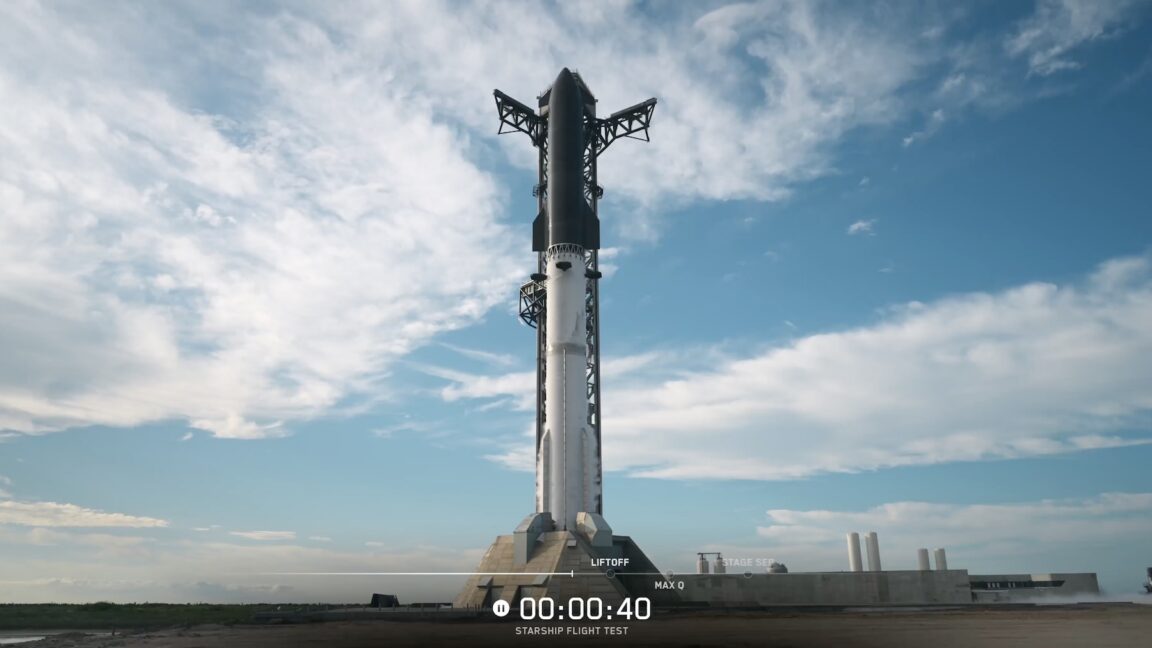
The Starship V3 rocket represents a significant evolution in SpaceX's reusable rocket technology, featuring design improvements and enhanced capabilities compared to previous iterations. The vehicle's increased height and power output were intended to demonstrate progress toward the company's ultimate objective of creating a fully reusable super-heavy-lift launch system capable of supporting long-duration deep space missions. The test flight was expected to provide valuable data on the performance of the upgraded systems and validate various improvements incorporated into the design.
The launch tower itself plays a critical role in SpaceX's launch operations, serving as the primary interface between ground systems and the rocket during the terminal countdown phase. The tower controls propellant flow, monitors engine systems, manages electrical connections, and provides numerous other essential functions during the critical minutes before launch. When issues arise within this complex infrastructure, they directly impact the vehicle's readiness for flight and can necessitate postponement of launch attempts.
SpaceX has not yet announced a specific target date for the rescheduled launch attempt, instead focusing on diagnosing the root cause of the ground system malfunction. Engineering teams will conduct thorough inspections and testing of the affected tower systems to identify what triggered the automated safety holds during the countdown sequence. This investigation process, while adding delay to the launch schedule, ensures that ground infrastructure performs reliably during future launch attempts.

The delay represents another step in the iterative development process that characterizes SpaceX's approach to advancing rocket technology. Rather than view the scrub as a failure, the company typically treats such setbacks as opportunities to refine operations and address technical issues in controlled environments. Each launch attempt, successful or not, contributes valuable insights into both the vehicle and ground support systems, ultimately advancing the company's long-term objectives for reliable and cost-effective space transportation.
Industry observers and space enthusiasts who had gathered to witness the historic first flight of the Starship V3 will have to wait for the next launch opportunity. The event would have marked a significant milestone in the development of increasingly capable versions of SpaceX's flagship heavy-lift launch vehicle. As the company continues pushing the boundaries of reusable rocket technology, setbacks like Thursday's scrub serve as important reminders of the inherent complexity and challenges involved in modern spaceflight operations.
Source: Ars Technica


