
Spain Intercepts Massive Cocaine Haul in Atlantic

Spanish authorities seize record 30,000-45,000kg cocaine shipment on freighter bound for Libya in major drug trafficking operation.
In a significant victory against international drug trafficking, Spanish authorities have announced the interception of what officials describe as a record-breaking cocaine seizure in the Atlantic Ocean. The Civil Guard, Spain's national security force, discovered between 30,000 and 45,000 kilograms of cocaine aboard a commercial freighter that was heading toward Libya, marking one of the largest drug busts in recent maritime operations.
The discovery represents a major blow to organized crime networks operating across international waters and underscores the growing sophistication of drug smuggling operations that attempt to transport narcotics via ocean routes. The vessel in question was conducting what appeared to be routine commercial transport when it came under scrutiny from Spanish maritime authorities conducting routine patrols and interdiction operations in the Atlantic.
The scale of this Atlantic Ocean drug bust has prompted authorities to increase their focus on maritime trafficking routes that connect South American cocaine production centers with African distribution hubs. Officials believe the shipment was destined for Libya, a known transshipment point for drugs heading into European and Mediterranean markets. The interception demonstrates the critical importance of coordinated international maritime surveillance efforts.
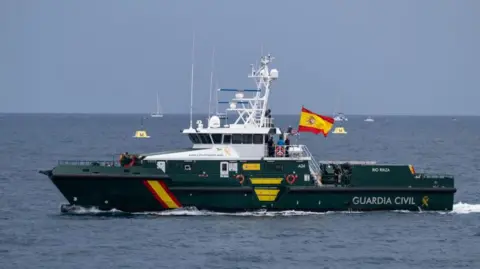
Spain's Civil Guard has long been at the forefront of combating transnational drug trafficking, and this operation exemplifies their ongoing commitment to disrupting major narcotics networks. The agency works in collaboration with maritime law enforcement partners across Europe and Africa to monitor shipping lanes and identify suspicious vessels. The expertise required to locate and verify such large quantities of contraband represents years of specialized training and intelligence gathering.
The logistics involved in smuggling such massive quantities of cocaine highlight the scale of the global drug trade and the substantial profits that criminal organizations stand to gain from successful trafficking operations. A shipment of this magnitude represents millions of euros in street value and reflects the enormous demand for cocaine in European markets. The criminal networks behind such operations often employ sophisticated methods to evade detection, including hiding contraband in hidden compartments, mixing drugs with legitimate cargo, and utilizing flag-of-convenience vessels.
The discovery comes as part of a broader effort by Spanish authorities to enhance border security and interdict drug shipments before they reach European ports. The Civil Guard has significantly expanded its maritime patrol capabilities in recent years, deploying advanced surveillance technology and coordinating with international partners to combat oceanic drug trafficking. These efforts have resulted in numerous successful seizures along major smuggling corridors.
Libya's role as a transshipment hub in this trafficking route reflects the complex geopolitical challenges that complicate anti-narcotics efforts in North Africa and the Mediterranean region. The country's ongoing instability and limited government control over maritime territories have made it an attractive destination for criminal organizations seeking to distribute drugs throughout Europe and the Middle East. International cooperation is essential to dismantle these trafficking networks and address the root causes of narcotics production and distribution.
The international drug trafficking networks operating across the Atlantic have become increasingly sophisticated in their attempts to circumvent law enforcement efforts. Criminal organizations employ advanced communications technology, utilize cryptocurrency for financial transactions, and constantly adapt their routes and methods to evade detection. The successful interception of such large quantities requires intelligence sharing, coordinated surveillance operations, and rapid response capabilities from maritime law enforcement agencies.
Spanish authorities have emphasized that this seizure represents just one aspect of their comprehensive strategy to combat drug trafficking. The country serves as a critical gateway for narcotics entering Europe from South America, and Spanish law enforcement agencies have invested heavily in developing detection capabilities and intelligence networks. The Civil Guard's success in this operation demonstrates the effectiveness of these investments and the importance of maintaining sustained pressure on criminal trafficking operations.
The interception also highlights the importance of international cooperation in addressing transnational crime. Spain works closely with law enforcement agencies across Europe, Africa, and Latin America to share intelligence, coordinate operations, and prosecute individuals involved in large-scale drug trafficking. These partnerships have proven increasingly valuable as criminal networks expand their operations beyond single jurisdictions and exploit weaknesses in international enforcement coordination.
Looking forward, Spanish authorities anticipate continued challenges from evolving trafficking methodologies and the persistence of criminal organizations willing to undertake significant risks for substantial financial rewards. The Atlantic cocaine seizure serves as a reminder of the ongoing threat posed by international drug trafficking and the critical role that maritime law enforcement plays in protecting communities from the devastating consequences of narcotics distribution. Continued investment in surveillance technology, personnel training, and international cooperation will remain essential to maintaining this enforcement advantage against determined criminal organizations.
As the investigation into this major drug seizure continues, authorities will work to trace the origins of the shipment, identify the criminal networks responsible for organizing the trafficking operation, and pursue prosecutions against individuals involved. The success of this operation serves as a powerful deterrent to other trafficking organizations and reinforces Spain's commitment to combating the global drug trade that threatens public health and security across multiple continents.
Source: BBC News


