
Spain's Corruption Crisis: Unraveling the Scandals Ahead of Key Elections

Dual corruption trials put Spain's top parties on the defensive as they prepare for crucial elections. Explore the political fallout and unresolved legacy of graft ahead of pivotal votes.
As Spain's two largest political parties, the ruling Spanish Socialist Workers' party (PSOE) and the conservative People's party (PP), face high-profile corruption trials, the country is once again confronted with the unresolved legacy of political graft and shady backroom deals. With former ministers and party heavyweights being dragged into court, the timing of these trials could not be more crucial, as voters in Andalucía, Spain's most populous autonomous community, prepare for next month's regional election, followed by a general election next year.
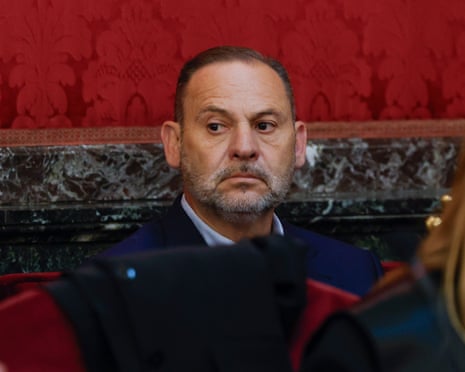
The cases, though vastly different, have the potential to seriously undermine each party's claims of having zero-tolerance for corruption. As the country grapples with this political scandal, the stakes have never been higher, with the integrity of Spain's democratic institutions and the public's trust in its leaders hanging in the balance.
The first trial involves the so-called Gürtel corruption case, which has ensnared former members of the conservative PP party. This sprawling scandal centers on a network of businessmen and politicians who allegedly exchanged lucrative public contracts for kickbacks and other illicit benefits. Former PP treasurer Luis Bárcenas, who was convicted in 2018 for his role in the scheme, is now testifying against his former colleagues, potentially implicating high-ranking party officials.
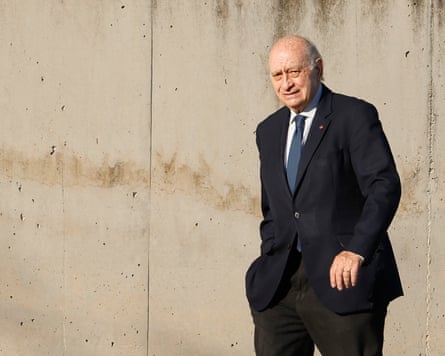
The second trial focuses on the Invercaria case, which has drawn in former PSOE officials. This case revolves around the misuse of public funds intended to support innovation and entrepreneurship in Andalucía. Allegations include the diversion of millions of euros to politically connected individuals and the awarding of contracts to companies with links to PSOE officials.
As the trials unfold, both parties are scrambling to distance themselves from the scandals and reassure voters of their commitment to clean governance. However, the damage may already be done, with the trials casting a long shadow over the upcoming elections and further eroding public confidence in the political establishment.
The timing of these trials is particularly significant, as they come at a critical juncture for Spain's political landscape. The regional election in Andalucía, a traditional PSOE stronghold, is seen as a crucial test for the party's ability to maintain its grip on power in the face of growing challenges from upstart parties like Vox, a right-wing populist group. Similarly, the upcoming general election will be a litmus test for the country's political landscape, with the corruption trials potentially influencing voter sentiment and the ultimate outcome.
As Spain grapples with the fallout from these scandals, the need for comprehensive political reform and a renewed commitment to transparency and accountability has never been more apparent. The country's citizens are watching closely, their trust in the political system hanging in the balance as the trials unfold and the elections approach.
The corruption trials have cast a long shadow over Spain's political landscape, serving as a stark reminder of the unresolved legacy of graft and the urgent need for reform. As the country prepares for a series of pivotal elections, the trials have the potential to reshape the political landscape and the public's trust in its leaders. The stakes are high, and the outcome of these trials and elections could have far-reaching consequences for the future of Spanish democracy.


