
Spencer Pratt's LA Mayor Bid: Reality Star to City Leader?

The Hills star Spencer Pratt launches surprising LA mayor campaign, leveraging wildfire recovery frustrations and cost-of-living crisis to challenge incumbent.
Los Angeles has never shied away from compelling narratives and unexpected turns of events. Yet the emergence of a former reality television personality transitioning into serious political candidacy against an established incumbent has captured attention far beyond the glittering boulevards of Hollywood and into the mainstream political discourse. This unconventional campaign represents a fascinating intersection of entertainment culture and civic engagement that reflects broader anxieties among Los Angeles residents.
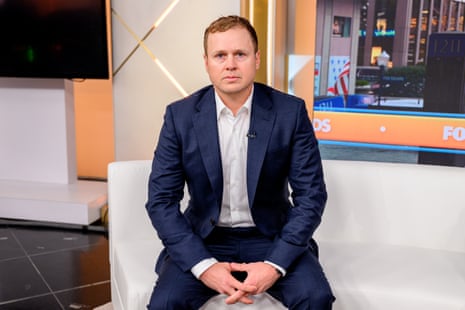
Spencer Pratt, widely recognized for his antagonistic role on the hit 2006 reality TV series The Hills, is now positioning himself as a viable mayoral candidate. His campaign strategy centers on channeling widespread frustration stemming from two interconnected crises facing the city: the devastating 2025 wildfire season and the persistent cost-of-living crisis that has made Los Angeles increasingly unaffordable for middle and working-class families. The shift from entertainment controversy to political activism marks a significant reinvention for the former television personality.
The 2025 wildfires represent a turning point in Los Angeles disaster management and have become the cornerstone of Pratt's political messaging. The fires caused extensive damage, displaced thousands of residents, and prompted widespread criticism of city government's preparedness and response mechanisms. Many Angelenos felt abandoned during the crisis, with recovery efforts moving slower than anticipated and inadequate support for displaced families and destroyed communities. Pratt has seized upon this sentiment, positioning himself as an outsider who will prioritize citizens' immediate needs over bureaucratic delays and institutional inertia.
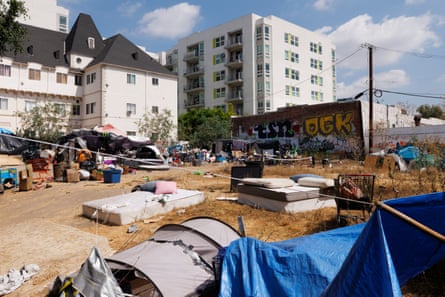
The cost-of-living crisis has long plagued Los Angeles, with housing costs, transportation expenses, and general inflation creating significant hardship for residents across income levels. The median home price in many neighborhoods exceeds $1 million, making homeownership an unattainable dream for most workers. Rent prices have skyrocketed, pushing longtime residents out of neighborhoods they've inhabited for decades. This economic backdrop provides fertile ground for anti-establishment political candidates promising change and disruption to the status quo.
Pratt's campaign narrative taps into a deep vein of discontent with traditional political establishments. Voters frustrated with the pace of reform and unconvinced by conventional politicians' promises have shown openness to unconventional candidates in recent years. The former Hills star's ability to generate media attention and maintain a public profile presents advantages in modern political campaigns where name recognition and social media presence increasingly influence electoral outcomes. His existing relationship with younger demographics familiar with his reality television work could potentially translate into mobilizable voter bases.
The incumbent mayor's office faces considerable pressure from multiple directions simultaneously. Residents demand improved wildfire prevention infrastructure, faster disaster recovery, and meaningful solutions to housing affordability. The administration must defend its record on emergency response, point to tangible improvements in resident safety and rebuilding efforts, and articulate a compelling vision for the city's future. Defending against a challenger with Pratt's media savvy and outsider positioning requires strategic communication that addresses legitimate grievances while questioning the challenger's preparedness for executive office.
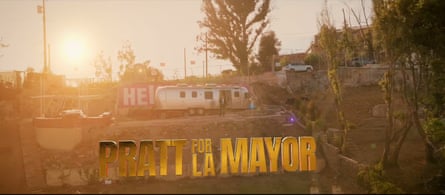
Political analysts have noted the broader pattern of entertainment personalities entering politics across various jurisdictions in recent years. Some transitions have proven successful, while others have floundered when reality television fame failed to translate into governing competence. The viability of Pratt's campaign will ultimately depend on whether he can articulate specific policy proposals that address residents' concerns beyond capitalizing on existing frustration. Vague promises of change without concrete planning and demonstrated expertise often fail to convince voters during general elections.
The campaign has already generated substantial media coverage, with national news outlets covering Pratt's announcement and political implications. This media attention serves dual purposes: it elevates the candidate's visibility while simultaneously inviting scrutiny of his qualifications, policy positions, and past statements. Any controversial moments from his reality television career could resurface and complicate his efforts to establish credibility as a serious political candidate addressing substantive governance issues.
Pratt's messaging strategy emphasizes his outsider status and willingness to challenge established power structures. He positions himself as unconstrained by political debts to donor networks or institutional stakeholders, allowing him to advocate for unpopular but necessary decisions that career politicians might avoid. This populist messaging resonates with voters skeptical of traditional politicians' effectiveness and suspicious of institutional decision-making processes that prioritize procedural correctness over rapid results.
The path to electoral victory remains uncertain and faces substantial obstacles. Incumbent advantage in municipal elections often proves decisive, particularly when the challenger lacks direct experience in government administration or policy development. Building a functional campaign organization requires experienced political professionals, fundraising capabilities, and institutional knowledge that entertainment industry success doesn't automatically provide. Volunteers and campaign workers expect coherent strategic direction and professional management rather than relying on celebrity appeal alone.
As the campaign progresses, voters will ultimately determine whether Pratt's unconventional background and outsider status outweigh concerns about his readiness for executive responsibility. Los Angeles residents facing genuine hardships from recent disasters and persistent economic pressures will evaluate whether his campaign offers substantive solutions or merely exploits existing grievances. The outcome will provide insights into contemporary voter preferences regarding political experience, institutional knowledge, and the appeal of disruptive candidacies in major American cities.
This mayoral race exemplifies the evolving intersection of celebrity culture and political participation in modern America. Whether Pratt's transition from reality television antagonist to serious political candidate ultimately succeeds or fails, his campaign has already shifted conversations about Los Angeles governance, disaster recovery priorities, and the city's economic future. The race will continue attracting national attention as voters decide what combination of qualities they value most in municipal leadership.

Source: The Guardian


