
Spirit Airlines Nearly Completes Customer Refunds

Budget airline Spirit Airlines has nearly finished refunding customers after shuttering operations over the weekend, leaving thousands stranded.
Spirit Airlines, the ultra-low-cost carrier that once dominated the budget aviation sector, has announced it is nearly complete with the massive undertaking of refunding customers following its sudden and unexpected closure over the weekend. The airline's abrupt decision to cease all operations sent shockwaves through the travel industry and left tens of thousands of passengers scrambling to find alternative transportation and answers about their hard-earned travel investments.
The budget airline shutdown marked the end of an era for a carrier that had operated for nearly two decades, shuttling millions of budget-conscious travelers across North America. The company's collapse came after years of financial instability, exacerbated by mounting operational challenges and unfavorable market conditions. The final blow came from a dramatic surge in jet fuel prices, which eroded profit margins that were already razor-thin in the competitive budget aviation space.
On Saturday morning, Spirit Airlines made the shocking announcement that it would immediately cease operations, leaving passengers with confirmed bookings in limbo and stranded customers at airports across the country. The decision caught many travelers off guard, as they had made their travel plans in advance, often choosing Spirit specifically for its low fares. Thousands of employees also found themselves without jobs, adding another layer of human tragedy to the corporate collapse.
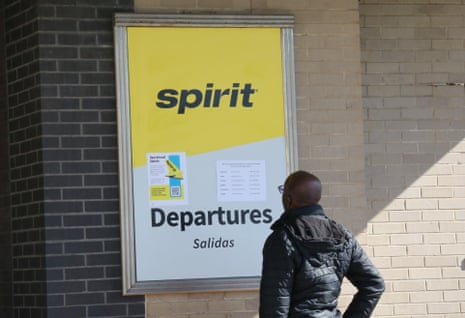
The airline refund process has proven to be a complex and challenging operation, requiring the company to systematically process claims from tens of thousands of affected passengers. According to company statements, Spirit Airlines has been working around the clock to ensure that customers receive their flight refunds promptly and without unnecessary complications. The financial magnitude of these refunds is substantial, representing millions of dollars that must be returned to customers who paid for transportation services that will never be provided.
For many travelers, the airline's collapse created a domino effect of complications beyond simply losing their ticket price. Business travelers missed important meetings and conferences, families had to reschedule vacations, and some passengers found themselves stranded in unfamiliar cities far from home. The emotional and financial toll on customers extended well beyond the basic refund amount, as many incurred additional costs for alternative transportation, accommodation changes, and other travel disruptions.
The budget airline industry has faced unprecedented headwinds in recent years, with rising fuel costs, labor disputes, and increased competition from larger carriers all contributing to margin compression. Spirit Airlines had long operated on an extremely thin margin, charging customers for everything from carry-on luggage to reserved seating, and relying on high volume to generate profits. This business model, while revolutionary in making air travel accessible to budget-conscious consumers, ultimately proved vulnerable to external shocks.
The company's struggles accelerated significantly during the pandemic, when travel demand collapsed and the airline industry faced unprecedented challenges. Although the travel sector recovered somewhat in subsequent years, Spirit Airlines never fully regained its footing, and the company's debt burden continued to mount. Multiple attempts to stabilize the airline through various strategic initiatives and partnerships ultimately proved insufficient to avert the final collapse.
Industry analysts have pointed to the volatility of fuel prices as a critical factor in Spirit's demise. When fuel costs spike suddenly, airlines with thin margins have little ability to absorb the increased expenses. Unlike larger carriers with more diversified revenue streams and better access to capital, Spirit lacked the financial flexibility to weather the storm. The company had already been operating with minimal cash reserves, making it impossible to cushion the impact of external shocks.
The refund process itself has required Spirit Airlines to navigate complex regulatory requirements and coordinate with various payment processors and financial institutions. The company has set up dedicated customer service channels to handle inquiries, track refund status, and resolve disputes. Many customers have reported varying timelines for receiving their refunds, with some receiving deposits within days and others waiting longer depending on their original payment method and the complexity of their booking.
For customers who purchased tickets through third-party travel booking websites or travel agents, the refund situation became more complicated. These intermediaries sometimes had to process refunds through their own systems before customers received their money, creating additional delays and confusion. Travel agents and booking platforms also had to update their systems and customer communications to reflect Spirit's operational status.
The collapse of Spirit Airlines has prompted discussions among industry regulators about passenger protection policies and airline insolvency procedures. Consumer advocates have called for stronger requirements that airlines maintain sufficient funds to cover customer refunds in the event of operational closure. These conversations highlight the vulnerability of passengers when financially unstable carriers are permitted to continue operating.
As Spirit Airlines works through the final stages of its refund obligations, the company has also been managing the complex process of liquidating remaining assets. Aircraft, equipment, ground facilities, and other valuable property must be sold to help satisfy creditors and fund remaining refund obligations. This asset liquidation process typically unfolds over several months and involves coordination with various third parties and regulatory agencies.
The broader implications of Spirit's failure extend beyond individual passenger refunds. The bankruptcy process will likely result in significant losses for creditors, including airport operators, fuel suppliers, and financial institutions that had extended credit to the airline. Additionally, the loss of Spirit's capacity has affected competition in the budget airline segment, potentially allowing remaining carriers to adjust pricing upward.
Employee severance and unpaid wage claims represent another major component of Spirit's obligations emerging from the shutdown. The airline must navigate labor laws and union agreements while determining how remaining assets will be distributed among various classes of creditors. These legal proceedings typically take months or years to fully resolve through bankruptcy court.
For the broader travel industry, Spirit's collapse serves as a cautionary tale about the risks of extreme cost-cutting and the dangers of operating with insufficient financial buffers. The company's failure demonstrates that while ultra-low-cost business models can be attractive to consumers, they leave little room for error when unexpected challenges arise. The situation has prompted industry observers to examine the financial stability of other budget carriers operating on similarly thin margins.
Source: The Guardian


