
Spirit Airlines Shuts Down as Bailout Talks Fail

Spirit Airlines ceases operations after failed negotiations with Trump administration over $500 million rescue package. Details on impact and timeline inside.
Spirit Airlines has announced it will be shutting down operations following the collapse of critical negotiations with the Trump administration regarding a proposed $500 million bailout package. The budget carrier, which had been struggling with mounting financial pressures and operational challenges, was unable to secure the emergency funding necessary to continue its business operations. The breakdown in talks marks a significant turning point for the carrier and signals the end of an era for one of America's oldest budget airlines.
The airline had been in intensive discussions with the Trump administration in recent weeks, exploring the possibility of a substantial financial rescue package designed to stabilize the carrier's operations and keep it flying. Sources close to the negotiations indicated that the talks had reached critical stages, with both parties exploring various restructuring options and financial arrangements. However, the inability to reach a final agreement on key terms and conditions ultimately led to the termination of discussions and the company's decision to cease operations entirely.
Spirit Airlines has been facing unprecedented financial headwinds over the past several years, including rising fuel costs, increased operational expenses, and fierce competition from larger carriers. The budget airline model, which had previously allowed Spirit to compete on price, became increasingly difficult to maintain in a market characterized by consolidation and rising labor costs. Additionally, the carrier had experienced significant operational disruptions and customer service challenges that damaged its brand reputation and customer loyalty metrics.

The collapse of the rescue negotiations represents a critical failure in efforts to preserve the airline as a going concern. Industry analysts had watched the bailout talks closely, recognizing that the outcome could have broader implications for the aviation sector and the future of budget carriers in the United States. The administration's decision not to provide the funding suggests that officials determined the airline's financial condition was too deteriorated or that the long-term viability prospects were deemed insufficient to justify government intervention.
This development comes at a particularly challenging time for the aviation industry, which has been navigating recovery efforts following pandemic-related disruptions and capacity challenges. The loss of Spirit Airlines represents a consolidation of the market, potentially leading to reduced competition and fewer budget-friendly travel options for price-conscious consumers across the country. The carrier's shutdown will result in the elimination of hundreds of routes and will leave numerous markets underserved by traditional carriers.
Employees of the airline are facing uncertain futures as the company winds down its operations. Hundreds of flight crew members, ground staff, and administrative personnel will be displaced as Spirit Airlines completes its operational shutdown. The carrier has indicated it will work to assist employees with severance packages and transition support, though the exact details and amounts remain unclear at this juncture.
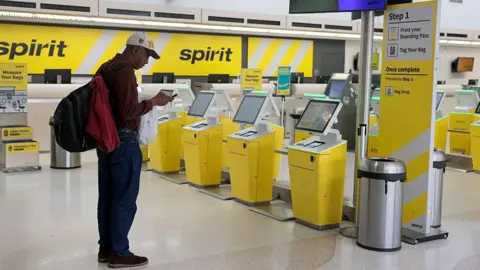
The airline shutdown will have far-reaching consequences for the traveling public, particularly those who relied on Spirit for affordable cross-country travel. Many consumers with existing bookings will need to rebook on alternative carriers, likely at higher prices given the reduced competition in the budget segment. Travel agencies and booking platforms are already bracing for significant volumes of cancellations and rebooking requests as the shutdown timeline is finalized.
Airport authorities at major hubs where Spirit operated significant routes are now assessing the impact on their operations and revenue forecasts. The airline had maintained substantial operations at several key airports, and the loss of this carrier will result in reduced passenger traffic and lower airport revenues going forward. Some airports may need to adjust staffing levels and service offerings based on the reduced flight activity expected after Spirit's departure.
The failure of the $500 million bailout negotiations raises questions about the administration's priorities regarding the aviation sector and whether future carriers facing financial distress can expect governmental support. The decision suggests that officials have set a high bar for intervention, requiring carriers to demonstrate not just current distress but also viable long-term business prospects. This precedent may influence how other struggling airlines approach potential government assistance in the coming months and years.
Industry experts are now analyzing what the demise of Spirit Airlines means for the broader aviation landscape and competition dynamics. The removal of a major budget carrier could lead to price increases across the industry, as other low-cost carriers inherit some of Spirit's former customers and routes. Legacy carriers may also benefit from the reduced pressure on their pricing strategies as competition diminishes in the economy segment.
The shutdown process is expected to unfold over the coming weeks and months, with the carrier gradually reducing flight schedules and repositioning aircraft as operations wind down. The exact timeline for complete cessation of operations has not been formally announced, but industry observers expect the process to be completed within the next quarter. During this period, customers are being advised to monitor official communications from the airline regarding their bookings and available options.
Creditors and investors in Spirit Airlines are now facing the reality of significant financial losses as the carrier ceases operations. Shareholders' equity will likely be completely wiped out, and unsecured creditors may recover only a fraction of their claims through the bankruptcy proceedings that are expected to follow. Aircraft lessors may attempt to recover their assets, though the aircraft market could face challenges absorbing Spirit's fleet of narrow-body jets.
The collapse of rescue talks with the Trump administration reflects both the severity of Spirit's financial condition and the political or economic calculations that led to the decision not to intervene. The airline had been operating with minimal profit margins and faced structural challenges that may have appeared insurmountable to government analysts evaluating the potential for return on any rescue investment. The decision ultimately prioritizes allowing market forces to determine outcomes rather than propping up an unviable business model through government intervention.
Looking forward, the demise of Spirit Airlines will reshape the competitive landscape for budget travel in the United States. Other low-cost carriers such as Frontier and Allegiant will now have an opportunity to expand their market share and network presence in key markets previously dominated by Spirit. However, the industry will also lose a significant competitor, potentially resulting in less aggressive pricing and promotional activity across the budget segment of the aviation market.
Source: BBC News


