
Spotify Introduces Verified Badges for Human Artists

Spotify launches verification system to distinguish human musicians from AI-generated artists. Learn how the platform validates artists through live dates and social media presence.
Spotify, the world's largest music streaming platform, has unveiled a significant new feature designed to help listeners distinguish between human artists and AI-generated music creators. The initiative represents a landmark moment in the ongoing conversation about authenticity and artist identity in the digital age. By implementing verified badges on artist profiles, Spotify aims to provide greater transparency to its billions of users worldwide.
The verification system will evaluate multiple criteria to confirm that an artist profile represents a genuine human musician rather than an artificial intelligence system. According to Spotify's official announcement, the platform will examine factors including live performance dates, concert history, and verified social media presence to establish credibility. This multi-faceted approach ensures that only legitimate human artists receive the coveted verification badge, helping to maintain the integrity of the music streaming ecosystem.
This development comes at a time when the music industry faces unprecedented challenges from rapidly advancing AI technology capable of generating realistic musical compositions. Major record labels and artist organizations have expressed growing concerns about the potential for AI-generated content to flood streaming platforms and undermine the livelihoods of professional musicians. By introducing a clear distinction mechanism, Spotify is responding directly to these industry pressures and user concerns about authenticity.
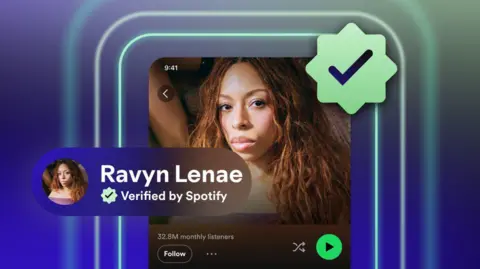
The verification badge system will operate similarly to verification processes on social media platforms like Twitter, Instagram, and TikTok. Users will immediately recognize verified profiles through a distinctive visual indicator, allowing them to quickly identify whether they're supporting actual human artists or interacting with AI-generated content. This transparency is crucial for maintaining trust between Spotify, artists, and listeners who want to ensure their streaming activity supports real musicians.
Spotify's evaluation methodology focuses on tangible markers of legitimacy that are difficult for AI systems to fabricate. The inclusion of live performance dates proves particularly significant, as actual touring and concert appearances provide concrete evidence of a physical artist presence. Meanwhile, verified social media accounts serve as additional confirmation, as they typically require identity verification through official channels such as government identification or business registration.
The platform will also consider other relevant factors that demonstrate an artist's legitimate presence in the music industry. These may include professional affiliations with established record labels, publishing credits with recognized music organizations, and historical streaming data patterns that align with genuine artistic careers. By layering multiple verification methods, Spotify creates a comprehensive system that is difficult to circumvent through fraudulent means.

Industry analysts have responded positively to Spotify's initiative, viewing it as a necessary safeguard for the music ecosystem. The Recording Industry Association of America and numerous independent artist organizations have called for exactly this type of authentication mechanism to protect musicians from unfair competition. Many consider this move a watershed moment in addressing the existential threat that generative AI poses to professional music creators.
The timing of this announcement reflects broader industry trends and concerns that have intensified throughout recent months. Multiple high-profile incidents involving AI-generated music impersonating famous artists have sparked outrage and generated millions of views on social media platforms. These occurrences highlighted the vulnerability of the current system and the urgent need for better tools to distinguish authentic creative work from machine-generated content.
Spotify's verification criteria extend beyond simple technical checks and incorporate elements that require genuine human interaction and presence. For instance, the platform will examine an artist's engagement with their fan community, including responses to comments and participation in promotional activities that demonstrate real human involvement. This approach recognizes that authentic artists typically maintain active relationships with their audiences in ways that are considerably more challenging for artificial systems to replicate convincingly.
The implementation of verified badges also serves a critical commercial purpose for Spotify's ecosystem. Artists with verified status may see increased visibility in recommendations and playlists, creating an incentive for legitimate musicians to complete the verification process. This tiered approach encourages the development of a two-tier marketplace where authenticated human artists receive preferential treatment, thereby addressing concerns from independent musicians who feared being displaced by algorithmic content generation.
Looking ahead, music industry experts anticipate that other major streaming platforms will likely implement similar verification systems in response to Spotify's initiative. Services such as Apple Music, Amazon Music, and YouTube Music face comparable pressures to address AI-generated content concerns, and Spotify's pioneering approach establishes a template that competitors may adapt for their own platforms. The move could ultimately reshape how the streaming music industry manages and validates artist content across the entire sector.
The implications of this verification system extend beyond simple user convenience and touch upon fundamental questions about creativity, authenticity, and fair compensation in the digital age. By clearly demarcating human-created music from algorithmic output, Spotify sends a powerful signal about the value it places on genuine artistic expression. This philosophical stance may influence how the broader technology and entertainment industries approach similar challenges involving artificial intelligence and human creativity in coming years.
For independent musicians and emerging artists, the verification system offers both opportunities and challenges. While the badge provides a way to establish credibility and stand out in an increasingly crowded marketplace, the verification requirements also create barriers for newer artists with limited touring history or smaller social media followings. Spotify will need to carefully calibrate its criteria to ensure that legitimate emerging talent can still achieve verification while maintaining strong standards against fraudulent accounts.
Consumer advocacy groups have also weighed in on Spotify's initiative, generally praising the transparency measure while suggesting that the platform provide even more detailed information about an artist's verification status and the specific criteria they met. Some argue that users should be able to see exactly how an artist qualified for verification, allowing them to make more informed decisions about which artists to support. This feedback may influence how Spotify refines and expands its verification program over time as it gathers user data and learns from initial implementation.
Source: BBC News


