
Spotify Launches Verified Badge to Identify Real Artists

Spotify introduces green checkmark verification system to help listeners distinguish authentic human artists from AI-generated music flooding streaming platforms.
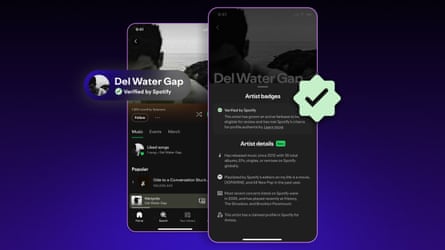
Spotify has announced a significant new initiative aimed at addressing one of the most pressing challenges facing the music streaming industry today: the rapid proliferation of AI-generated music on its platform. The Swedish streaming company unveiled its innovative Verified by Spotify badge system on Thursday, designed to provide listeners with clear, transparent information about the authenticity of artist profiles and the music they contain. This green checkmark verification mark will become increasingly visible across artist profiles and search results throughout the platform in the coming weeks and months.
The verification badge represents Spotify's commitment to maintaining a trustworthy ecosystem for both listeners and legitimate artists. According to the company's announcement, the Verified badge will only appear on profiles that have undergone a comprehensive review process and meet the platform's stringent standards for authenticity. This development comes at a critical time, as music industry professionals report that the volume of AI-generated tracks being uploaded to streaming services has reached unprecedented levels, with some estimates suggesting thousands of synthetic songs are added daily.
The problem of AI music generation on streaming platforms has become increasingly problematic for the industry. Major labels and independent artists alike have expressed concern about the flood of artificially created content that mimics established genres, artists, and musical styles without proper attribution or licensing agreements. These synthetic tracks not only compete directly with legitimate artist content for listener attention and streaming revenue but also create confusion among casual listeners who may unknowingly consume AI-generated music believing it to be created by human performers.

Spotify's response to this crisis demonstrates the company's recognition that credibility and transparency are essential for the long-term health of its platform. The artist verification system will help establish a clear distinction between profiles representing genuine human musicians and those featuring artificially generated content. The company has stated that the verification process will examine multiple factors including artist history, documentation, and profile activity patterns to ensure that only legitimate creators receive the coveted green checkmark.
The initiative also reflects broader industry concerns about the environmental and economic impact of uncontrolled AI music generation. Beyond the obvious threat to musician livelihoods, unchecked AI-generated content threatens to devalue the streaming economy itself. When listeners cannot easily distinguish between authentic and synthetic music, the platform's value proposition—access to real musicians' work—becomes compromised. Spotify's verification badge directly addresses this concern by restoring the primacy of human artistry within its ecosystem.
While the exact technical details of Spotify's verification process remain somewhat proprietary, the company has indicated that the system will be comprehensive and multi-layered. Artists seeking verification will likely need to provide documentation proving their identity and authenticity. The process may also involve monitoring account activity, analyzing upload patterns, and potentially cross-referencing information with music industry databases and copyright registries. This thorough approach ensures that the verification badge carries significant weight and trustworthiness.
The music streaming landscape has undergone dramatic transformation in recent years with the emergence of sophisticated AI music generation tools. These technologies, which have become increasingly accessible and affordable, enable anyone to create seemingly professional-quality music tracks without any musical training or experience. While technological innovation is generally positive, the ease of creating synthetic music has created what many describe as an authenticity crisis on streaming platforms. Artists report that their work is often buried beneath mountains of AI-generated tracks in search results and recommendation algorithms.
Spotify's verification badge represents just one element of what industry observers believe needs to be a comprehensive, multi-faceted approach to addressing AI-generated content. The badge alone cannot prevent AI music from being uploaded to the platform, but it provides listeners with crucial information that enables them to make informed choices about what they listen to. By clearly identifying verified human artists, Spotify creates an incentive structure that rewards authentic creativity and helps human musicians compete more effectively in an increasingly crowded digital marketplace.
The rollout of the verification system is expected to proceed gradually, with the company prioritizing high-profile artists initially before extending the program to broader artist communities. This phased approach allows Spotify to refine its verification process based on real-world feedback and to ensure that the system functions smoothly at scale. The company has indicated that the verification process will be free for artists, avoiding barriers that might prevent independent and emerging musicians from obtaining the badge.
Industry observers have largely praised Spotify's initiative as a necessary and responsible step toward preserving the integrity of the music streaming ecosystem. Artists' advocates have noted that the verification system provides a meaningful way to differentiate their work in an increasingly saturated marketplace. However, some critics have questioned whether a simple badge will be sufficiently effective in combating the broader problem of AI-generated content flooding the platform. These voices suggest that more aggressive technological solutions, such as AI detection algorithms in the upload process itself, may ultimately be necessary.
The verified artist initiative also sends an important signal to the broader music industry about Spotify's commitment to supporting human musicians. As other companies and platforms grapple with similar challenges, Spotify's proactive approach may establish a new standard for how streaming services should handle the integration of AI-generated content. The verification badge represents a balance between embracing technological innovation and protecting the interests and livelihoods of human creative professionals.
Looking forward, the success of Spotify's verification system will likely influence how other streaming platforms approach similar challenges. Apple Music, Amazon Music, YouTube Music, and other services will be watching closely to see how effectively the badge system helps users distinguish authentic content. If successful, the model could become industry standard, fundamentally changing how listeners navigate the music streaming landscape. The coming months and years will reveal whether Spotify's solution adequately addresses the crisis of AI-generated content or whether more comprehensive measures will ultimately be required to protect the integrity of digital music distribution.
For listeners, Spotify's new verification system offers a practical tool for discovering and supporting authentic human musicians. The green checkmark provides instant visual confirmation that a profile has undergone verification, reducing the cognitive burden of trying to determine whether an artist is legitimate. As the music streaming landscape continues to evolve in the face of AI-generated content challenges, Spotify's verified badge represents an important step toward maintaining consumer trust and supporting the creative professionals who form the foundation of the music industry.


