
Starbucks Korea Fires CEO Over Tank Day Controversy

Starbucks Korea removes controversial 'Tank Day' tumbler promotion following backlash over historical massacre references. CEO dismissed after widespread public outcry.
Starbucks Korea has taken decisive action by terminating its chief executive officer following an intensifying scandal surrounding a controversial promotional campaign that was perceived by many as insensitive to a significant historical tragedy. The company's swift response underscores the critical importance of cultural sensitivity in marketing initiatives, particularly in markets with deeply rooted historical consciousness.
The controversy centered around the Tank Day promotion, which featured limited-edition drink tumblers that were part of a broader marketing strategy. However, the campaign quickly drew criticism from consumers and cultural observers who argued that the promotional materials inadvertently referenced the tragic events of the 1989 Tiananmen Square incident, one of the most sensitive historical events in East Asian contemporary history. This connection proved to be damaging to the company's reputation and public standing in Korea.
Starbucks Korea's decision to withdraw the controversial campaign came after mounting pressure from the public and various social media platforms, where discussions about the promotion's implications gained significant traction. The company recognized the gravity of the situation and the importance of addressing public concerns promptly. This withdrawal marked the first major step in attempting to mitigate the damage caused by the ill-conceived marketing strategy.
The timing of the CEO dismissal came as part of a broader organizational response to the crisis. By removing the company's top executive, Starbucks Korea aimed to demonstrate accountability and commitment to preventing similar incidents in the future. This personnel change signals a serious reckoning within the organization regarding oversight of marketing materials and cultural awareness protocols.
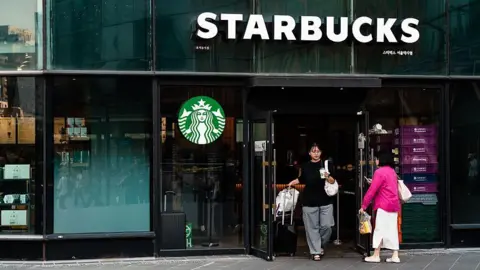
The incident highlights the challenges multinational corporations face when operating in culturally diverse markets with distinct historical sensitivities. Marketing teams must navigate complex cultural landscapes where symbols, imagery, and promotional themes can carry unexpected meanings or associations. What might seem like innocuous design elements in one market can become deeply offensive in another, requiring extensive cultural due diligence.
In Korea, historical consciousness regarding democratic movements and state actions runs particularly deep, given the country's own turbulent twentieth-century history. Citizens and advocacy groups maintain vigilant awareness of how global companies approach sensitive historical references, whether intentional or unintentional. The backlash against Starbucks Korea reflected this broader cultural consciousness and the expectation that international brands demonstrate appropriate respect for such sensitivities.
The public outcry that followed the campaign's launch spread rapidly across Korean social media platforms, with consumers expressing disappointment in the company's perceived lack of cultural awareness. Online petitions and boycott calls gained momentum as more people became aware of the promotion's problematic nature. This grassroots response demonstrated the power of collective consumer action in holding corporations accountable for their marketing decisions.
Starbucks' corporate leadership, both in Korea and internationally, had to grapple with the reputational damage and the challenge of restoring consumer trust. The company's response strategy involved not only withdrawing the campaign and removing the CEO but also issuing statements of apology and acknowledgment of the concerns raised by the public. These actions were essential steps in the reconciliation process with affected consumers.
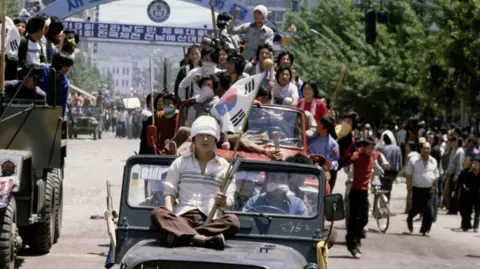
The broader implications of this incident extend beyond Starbucks Korea alone. It serves as a cautionary tale for other multinational corporations operating in international markets, emphasizing the necessity of rigorous cultural sensitivity reviews before launching any marketing campaigns. Companies must invest in teams with deep cultural expertise and historical knowledge to vet promotional materials thoroughly.
Industry observers and marketing professionals have noted that the Starbucks Korea situation underscores the importance of diverse perspective in decision-making processes. When marketing teams lack representation from individuals with personal or ancestral connections to culturally sensitive historical events, the risk of creating offensive or inappropriate campaigns increases substantially. Building inclusive teams becomes not just a matter of equity but of practical business necessity.
The withdrawal of the promotion and subsequent leadership changes represent Starbucks Korea's attempt to reset its relationship with Korean consumers. However, rebuilding trust after such an incident typically requires sustained effort over an extended period. The company would need to demonstrate through consistent actions and decisions that it takes cultural sensitivity seriously.
Going forward, Starbucks Korea faces the challenge of implementing stronger internal protocols for marketing oversight and cultural review. This might include establishing advisory boards composed of cultural historians, community leaders, and representatives from various demographic groups. Such measures could help prevent similar missteps and demonstrate genuine commitment to operating responsibly within the Korean market.
The incident also raises broader questions about corporate accountability and the role of social responsibility in international business operations. Consumers increasingly expect brands to demonstrate awareness of and respect for historical contexts, particularly those involving human suffering or political tragedy. This expectation has become a defining characteristic of contemporary consumer activism, especially among younger demographics.
Starbucks Korea's experience with the Tank Day campaign controversy will likely be studied in business schools and corporate training programs as an example of how marketing missteps can escalate into full-scale corporate crises. The rapid escalation from campaign launch to CEO termination illustrates how quickly public sentiment can shift in the digital age and how severely it can impact corporate leadership and strategy.
For consumers in Korea and beyond, the incident reinforced the importance of vigilant consumer activism and the possibility of holding major corporations accountable through collective action. The successful campaign to pressure Starbucks into withdrawing the promotion and making significant leadership changes demonstrated that organized public response can drive meaningful corporate consequences.
As Starbucks Korea moves forward under new leadership, the company must carefully rebuild its brand reputation and demonstrate renewed commitment to cultural sensitivity and responsible corporate citizenship. The path to recovery will require transparency, accountability, and sustained effort to understand and respect the cultural values and historical consciousness of the Korean market. Only through such dedicated efforts can the company hope to fully restore the trust and goodwill it once enjoyed among Korean consumers.
Source: BBC News


