
Starmer Aide Role Search Revealed in Foreign Office

Former civil servant Olly Robbins testifies that Downing Street pressed Foreign Office to find senior diplomatic position for PM's communications chief Matthew Doyle.
In a significant revelation during parliamentary testimony, Olly Robbins, the former lead civil servant at the Foreign Office, disclosed that Downing Street made direct requests to place Keir Starmer's then-communications chief in a senior diplomatic position. The disclosure came during testimony before MPs at parliament's foreign affairs select committee, shedding light on what critics argue represents a troubling pattern of political appointments within the diplomatic service.
Robbins revealed that he had engaged in multiple conversations with Number 10 about securing a role for Matthew Doyle, who served as a senior communications advisor to the Prime Minister. These discussions represented an unusual intervention by the Prime Minister's office in the traditional processes of the Foreign Office, which has long prided itself on maintaining civil service independence and merit-based appointments. The former civil servant's willingness to discuss these conversations publicly underscores the significance of the matter and raises broader questions about political influence in diplomatic appointments.
Matthew Doyle's career trajectory took a dramatic turn when he was subsequently suspended as a Labour peer following revelations that emerged in early 2026. The suspension came after it became public knowledge that Doyle had maintained a close personal friendship with and offered support to an individual who faced charges related to the possession of indecent images of children. This development cast a shadow over the discussions that had previously taken place regarding his diplomatic placement.

During his testimony, Robbins characterized the situation as part of a broader "creep" of senior diplomatic roles being allocated to political figures rather than career civil servants. This observation carries significant weight given Robbins' extensive experience navigating the highest levels of British government and his position as a respected figure within the civil service establishment. His comments suggest a systemic issue rather than an isolated incident, prompting concerns about the institutional independence of the Foreign Office.
The Foreign Office appointment process has traditionally been governed by strict protocols designed to ensure that diplomatic positions are filled based on merit, experience, and suitability for the role. The intervention described by Robbins, wherein political pressure was applied to create or identify positions for a political aide, potentially circumvents these established procedures. Such actions could compromise the professional integrity of the diplomatic service and raise questions about whether other similar requests have been made.
Robbins' testimony arrives at a time of heightened scrutiny regarding standards in public life and the proper conduct of government officials. The intersection of political loyalty and civil service independence has long been a contentious issue in British governance, with various inquiries and reports over the years highlighting the importance of maintaining clear boundaries between these two spheres. His candid remarks suggest that these boundaries may have become blurred in recent government operations.
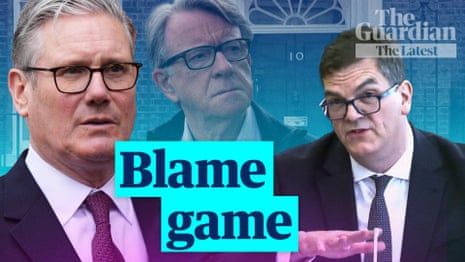
The revelation about attempts to place Doyle in a diplomatic role adds another dimension to his recent controversies. Prior to the suspension, Doyle had built a career in political communications and served in various capacities within Labour Party circles. His appointment as a communications chief represented a significant role within the Prime Minister's immediate team, giving him influence over how government policies and decisions were communicated to the public and media.
The timing and nature of these requests raise important questions about decision-making processes within Downing Street. Why was finding a diplomatic role for Doyle considered a priority? What specific position or positions were under consideration? These details remain partially unclear from public reporting, though Robbins' testimony has opened the door to further investigation and scrutiny. Parliamentary oversight mechanisms now have the opportunity to delve deeper into these questions.
The broader context of this revelation is the ongoing debate about standards in political appointments and whether sufficient safeguards exist to prevent inappropriate political interference in civil service roles. Previous governments have faced similar criticisms, suggesting that this issue transcends partisan divides and reflects systemic vulnerabilities in how the government manages the relationship between political appointees and career civil servants.
Foreign Office staff, many of whom have dedicated their careers to diplomatic service, may view such interventions as undermining their professional standing and the institution's credibility. When political considerations begin to outweigh expertise and experience in appointment decisions, it can affect morale and confidence in organizational leadership. The diplomatic service depends heavily on its reputation for professionalism and independence, particularly when conducting international relations.
Robbins' decision to publicly discuss these conversations demonstrates the growing willingness of senior civil servants to speak critically about governmental conduct when they believe institutional integrity is at stake. His testimony provides a valuable perspective from someone who occupied a position of significant influence and responsibility within the civil service hierarchy. His account carries credibility due to his long tenure and respected position within government circles.
The implications of this revelation extend beyond the individual case of Matthew Doyle. If the Foreign Office has received multiple requests to accommodate political figures in diplomatic roles, this suggests a pattern that warrants systematic review. An investigation into how many such requests have been made, by whom, and with what outcomes could provide important insights into the current state of civil service independence and political oversight.
Looking forward, this testimony may prompt calls for strengthened procedures and oversight mechanisms to prevent inappropriate political interference in civil service appointments. Various stakeholder groups, including civil service unions, parliamentary committees, and good governance advocates, may use this information to push for institutional reforms. The Foreign Office may need to reexamine and potentially reinforce its processes for handling requests from political leadership.
The story also highlights the importance of maintaining independent oversight of government operations. The foreign affairs select committee's willingness to explore these issues through public testimony creates accountability and transparency around governmental decision-making processes. Such scrutiny serves as a crucial check on executive power and helps maintain democratic principles within the civil service.
As this matter continues to develop, stakeholders across the political spectrum will likely express views on the appropriate balance between responsiveness to political direction and maintenance of civil service independence. This fundamental tension in democratic governance requires careful navigation, and Robbins' testimony provides an opportunity for renewed discussion about how best to manage this balance in the modern political context.
Source: The Guardian


