
Starmer Aide's Secret Tech Talks Spark Lobbying Row

Government adviser Varun Chandra held 16 undisclosed meetings with US tech giants including Google and Meta, raising transparency concerns over backroom political influence.
An exclusive investigation has uncovered significant concerns about government transparency and potential lobbying influence within the highest levels of UK political leadership. Varun Chandra, a prominent business adviser with direct access to Prime Minister Keir Starmer and Chancellor Rachel Reeves, held a substantial series of undisclosed meetings with major technology executives from some of the world's most powerful corporations.
The revelations, which have emerged through careful reporting and investigation, demonstrate the extent to which tech industry leaders have maintained confidential channels of communication with senior government figures during a critical period in British political history. Between October 2024 and October 2025, Chandra engaged in 16 separate meetings with representatives from technology giants including Google, Meta, Apple, and other influential American tech companies, all conducted away from public scrutiny.
These confidential discussions reportedly covered an extensive range of topics that directly impact government policy and regulation. Among the subjects discussed were potential regulatory changes that could affect how technology companies operate within the United Kingdom, the rapidly evolving landscape of artificial intelligence governance and oversight, and strategic considerations related to Donald Trump's second administration in the United States.

The nature of these meetings has raised significant eyebrows among transparency advocates and political observers who worry about the implications of such behind-closed-doors discussions between government officials and corporate representatives. In at least one of these encounters, Chandra allegedly went beyond merely discussing policy matters and instead offered to facilitate direct access between a technology executive and Prime Minister Starmer himself, effectively leveraging his position to provide exclusive access to the highest levels of government.
The concerns surrounding these interactions extend beyond simple matters of courtesy or routine policy consultation. Critics argue that such undisclosed meetings create an environment where technology corporations can exert influence over government decision-making without the knowledge or oversight of Parliament, the media, or the public. This type of informal political influence has long been viewed with suspicion by those committed to democratic accountability and transparent governance.
Varun Chandra's position as a business adviser in Number 10 places him in a particularly influential position within the government apparatus. His proximity to both Keir Starmer and Rachel Reeves means that his views and the information he gathers during meetings with external parties could potentially shape policy recommendations that reach the highest decision-makers in the country.
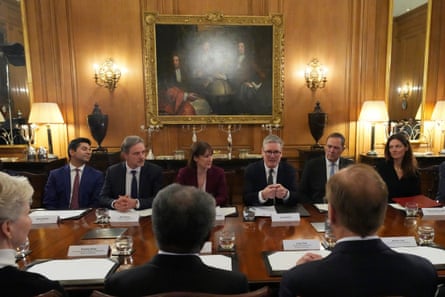
The timing of these meetings is particularly noteworthy given the broader political context in which they occurred. The period from October 2024 through October 2025 has been marked by significant debates about technology regulation, data privacy, artificial intelligence governance, and Britain's relationship with American technology companies. During this exact window, crucial government decisions were being made about how to approach these emerging policy challenges.
The revelation of these undisclosed meetings comes at a moment when public trust in government institutions is already under scrutiny from various quarters. Questions about whether elected officials and their advisers are making decisions based on the public interest or on private lobbying efforts from wealthy corporations represent a fundamental concern for democratic governance. The secrecy surrounding these interactions only amplifies those concerns and raises questions about what exactly was being discussed and why transparency was not maintained.
Technology companies have long sought to influence government policy through various channels, including traditional lobbying, campaign contributions, and personal relationships with influential officials. The revelation that such meetings were taking place without public disclosure suggests that major tech corporations may have had greater access to government decision-makers than the general public was aware of. This asymmetry of information and access raises fundamental questions about fairness and equal representation in the political process.
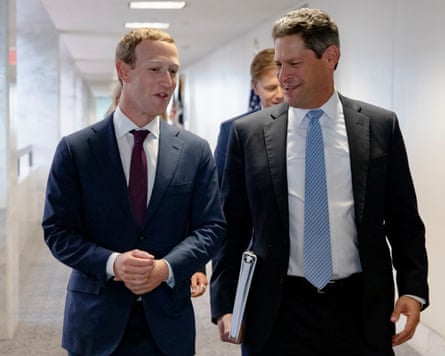
The companies involved in these meetings represent some of the most powerful and well-resourced organizations in the world. Google, Meta, and Apple each wield enormous influence over how information flows through society, how people communicate, and how commerce takes place in the digital economy. Their interest in shaping government policy toward favorable regulatory outcomes is understandable from a corporate perspective, but the methods used to pursue those interests raise governance concerns.
The revelation also highlights broader questions about the revolving door between government service and the private sector. Advisers who work closely with government officials while maintaining relationships with major corporations occupy a unique position that can create potential conflicts of interest. Whether intentional or not, such relationships can create environments where corporate interests are prioritized or where informal influence replaces formal, transparent policy-making processes.
The meetings reportedly included discussions about how the Trump administration's policies might affect technology regulation and global business operations. Given the significant role that American technology companies play in the global economy and their substantial presence in the British market, this represents a legitimate area of government interest. However, the confidential nature of these discussions raises questions about whether these conversations were part of formal government policy consultation or whether they represented informal corporate influence.
Political transparency advocates have called for investigations into these meetings and for the establishment of clearer rules about how government officials should interact with private companies and their representatives. Many argue that such interactions, particularly when they involve offering privileged access to senior government figures, should be recorded in official government logs and potentially disclosed to the public through Freedom of Information requests or other transparency mechanisms.
The situation also raises questions about the adequacy of current government ethics rules and disclosure requirements. If a senior adviser can hold 16 meetings with major technology companies and have them remain undisclosed, this suggests that existing oversight mechanisms may be insufficient to ensure proper accountability and transparency in government decision-making. Reform advocates suggest that clearer rules, better documentation, and more regular disclosure of such meetings might help restore public confidence in government impartiality.
Source: The Guardian


