
Starmer Aides Knew of 'Indefensible' Journalist Probe

PM's top advisers, including former chief of staff Morgan McSweeney, were briefed on controversial investigation into journalists critiquing Labour Together.
Newly released documents have revealed that Prime Minister Keir Starmer's most senior advisers were kept informed about what has been described as an "indefensible" investigation into journalists who published critical articles concerning the Labour Together thinktank. This disclosure raises significant questions about transparency and the handling of media scrutiny within the prime minister's inner circle during a politically sensitive period.
The probe into journalists was commissioned by Josh Simons, the director of Labour Together, and focused on those who had written pieces that were critical of the organization's work and direction. The investigation itself has drawn widespread condemnation from media freedom advocates and journalism organizations, who argue that targeting reporters for their coverage represents a troubling precedent in UK politics and democratic accountability.
Among the key figures who received briefings on the investigation was Morgan McSweeney, who served as the prime minister's former chief of staff. McSweeney's involvement in receiving updates about the journalist probe indicates that the matter reached the highest echelons of Starmer's political operation. His position as chief of staff meant he had direct access to the prime minister and wielded considerable influence over government decision-making and strategy.
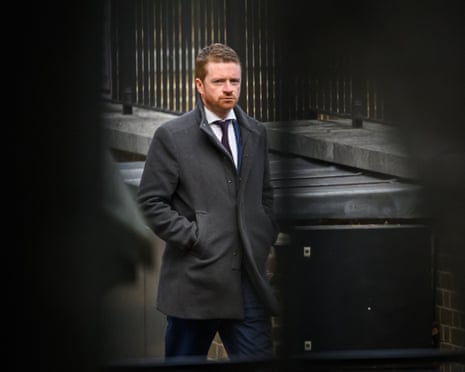
The documents, which have only recently come to light through official channels, provide concrete evidence that the controversial investigation was not an isolated decision made by Simons acting independently. Instead, the briefing pattern suggests a coordinated awareness among multiple members of Starmer's advisory team, raising questions about whether there was any attempt to intervene or discourage what critics have characterized as an inappropriate response to legitimate journalistic scrutiny.
The revelation has intensified scrutiny of how the Labour government handles relations with the media and whether appropriate boundaries exist between political operations and efforts to investigate or intimidate journalists. Media freedom advocates have expressed particular concern about the apparent normalization of investigating reporters whose coverage proves unfavorable to political allies or associated organizations.
Josh Simons' commissioning of the investigation, combined with the apparent briefing of senior government advisers, has created a complex web of questions about institutional relationships and the treatment of critical journalism. The Labour Together thinktank, which has close ties to various Labour politicians and operatives, represents the kind of influential but not-quite-governmental organization whose actions can reflect broader attitudes within political circles.
The characterization of the investigation as "indefensible" in official documents suggests that even those involved recognized the problematic nature of the probe. This acknowledgment raises questions about why it proceeded if those briefed on it understood its fundamental inappropriateness. The gap between recognizing something as indefensible and taking action to prevent it represents a potential failure of institutional judgment.
The timing of these document releases comes at a moment when government transparency and the handling of media relations have become increasingly contentious issues within British politics. The incident underscores broader concerns about how contemporary political operations manage relationships with journalists and respond to critical coverage, particularly when that coverage emerges from independent media outlets.
The involvement of Morgan McSweeney, who held one of the most influential positions in the prime minister's office, suggests that awareness of the investigation extended well beyond the direct sphere of Labour Together itself. As chief of staff, McSweeney would have been responsible for coordinating many aspects of the prime minister's political strategy and communications, making his briefing on the journalist investigation particularly significant.
This development has prompted renewed calls for clearer guidelines governing how political organizations and their affiliated entities should interact with the media. Critics argue that without explicit protocols preventing such investigations, there remains insufficient protection for journalists conducting legitimate scrutiny of political figures and organizations. The incident serves as a reminder of the potential vulnerabilities facing investigative journalism in the contemporary political environment.
The documents reveal a pattern that extends beyond simple awareness to suggest active engagement with the investigation's progress. The briefing structure indicates that updates on the probe were being systematically shared with key advisers, suggesting it was treated as a matter of some importance within government circles. This attention to detail raises questions about the resources and priority being devoted to monitoring and investigating critical journalism.
As UK journalism continues to navigate challenges related to political pressure and institutional resistance, this case exemplifies the kinds of institutional obstacles that can impede press freedom. The revelation that senior government advisers were briefed on an investigation targeting journalists reinforces concerns about the potential chilling effect such actions may have on editorial independence and willingness to pursue critical stories.
The broader implications of this disclosure extend to questions about the accountability mechanisms that exist to oversee such investigations. If multiple senior advisers were aware of what has been deemed an indefensible probe, the question becomes why no formal objection or intervention occurred through official channels. The answer to this question may reveal important gaps in how government institutions manage ethical concerns related to press freedom.
Moving forward, this incident will likely influence ongoing discussions about media relations within government and the appropriate boundaries for investigating journalists. The prominence of Morgan McSweeney and other senior figures in receiving briefings about the investigation suggests that the matter was treated with sufficient gravity to warrant discussion at the highest levels of political decision-making, making the apparent acceptance of its premise all the more troubling to observers of democratic norms and press freedom.
Source: The Guardian


