
Starmer Defies Calls to Quit Despite Labour's Election Losses

Prime Minister Keir Starmer refuses to step down following Labour's poor performance in local elections, vowing to continue delivering on campaign promises.
Prime Minister Keir Starmer has demonstrated unwavering resolve in his leadership position following disappointing results in the 2026 local elections, where Labour faced significant setbacks across multiple regions. Despite mounting pressure from within his own party and calls from certain MPs for his resignation, Starmer delivered a defiant statement on Friday morning, reaffirming his commitment to lead the country and fulfill the commitments that secured his election victory less than two years ago.
The local election results painted a challenging picture for the Labour government, with the party experiencing substantial losses in councils across England, Scotland, and Wales. Many of these electoral defeats came at the hands of Nigel Farage's Reform UK, which capitalized on voter dissatisfaction and made significant gains in traditionally Labour-held areas. The results represented a considerable blow to a government that had positioned itself as a force for change and renewal when it came to power in 2024.
Starmer's response to the electoral challenges demonstrated his characteristic determination and political fortitude. Rather than making excuses or deflecting responsibility, the Prime Minister took a measured approach, acknowledging the severity of the situation while simultaneously projecting confidence in his ability to steer the government through this difficult period. His statement reflected a calculated political strategy designed to reassure supporters while signaling to critics that he would not be intimidated into abandoning his leadership position.
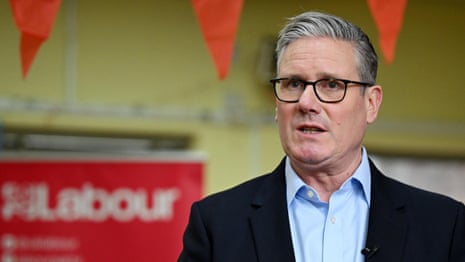
"Results are tough, and there's no sugarcoating it," Starmer admitted during his public address, demonstrating a willingness to engage with the reality of Labour's election losses rather than attempt to obscure or minimize them. This candid acknowledgment of the party's struggles appeared calculated to project honesty and integrity, qualities that had been central to his leadership platform. By refusing to engage in spin or political obfuscation, Starmer attempted to maintain credibility even as his party faced significant electoral challenges.
The timing of the local elections proved particularly consequential for Labour, arriving at a moment when the government faced mounting criticism over various policy initiatives and economic conditions affecting British households. The local election defeats threatened to undermine confidence in Starmer's government and raised questions about whether the electorate's initial enthusiasm for Labour had fundamentally shifted. However, Starmer's response suggested he viewed this moment as a test of his leadership character rather than a definitive judgment on his government's future viability.
Internal party pressures added another layer of complexity to Starmer's position following the election results. Some Labour MPs, disappointed by the party's performance and concerned about prospects for the next general election, had begun circulating calls for a change in leadership. These voices, while representing a minority within the parliamentary Labour party, nevertheless signaled the degree of anxiety permeating senior Labour circles in the immediate aftermath of the local elections.
Starmer's decision to push forward rather than entertain discussions about his leadership reflected both personal conviction and pragmatic political calculation. Changing leaders in the middle of a government term would likely prove destabilizing for Labour and could potentially accelerate the decline in public support that the election results had already indicated. Additionally, Starmer recognized that demonstrating resolve and stability in the face of adversity could help rebuild public confidence in his leadership over the coming months.
The Reform UK surge represented a particularly troubling development for Labour strategists, as it suggested that significant numbers of voters had abandoned traditional Labour support in favor of Farage's populist alternative. Reform's ability to attract voters across different demographic groups and regions indicated that dissatisfaction with Labour extended beyond specific policies or individual politicians. This broader electoral shift posed fundamental challenges to Labour's long-term political strategy and raised questions about the party's ability to rebuild its traditional coalition of support.
Looking forward, Starmer indicated that he intended to use this period of electoral difficulty as an opportunity to recalibrate and refocus the government's priorities and messaging. His commitment to delivering on the promises made during the election campaign suggested he believed that demonstrating tangible progress on key policy areas could gradually restore public confidence. The Prime Minister appeared to view the electoral setback as a setback rather than a terminal decline, and his determination to persist reflected confidence in his ability to eventually turn the government's fortunes around.
The broader political context surrounding these local elections also merited consideration when assessing Starmer's position and prospects. Governments typically experience a decline in support during their first term, particularly after the initial honeymoon period concludes and voters confront the inevitable compromises and challenges associated with implementing campaign promises. In this sense, Labour's electoral losses, while significant, followed patterns observed with previous British governments facing similar circumstances.
Starmer's insistence that he would "fight on" as Prime Minister carried multiple layers of meaning in the context of his statement. The language suggested both personal determination and a strategic commitment to implementing the agenda for which Labour had been elected. This framing positioned the electoral setback as a temporary obstacle rather than a fundamental challenge to Labour's right to govern or Starmer's fitness for office. Whether this optimistic assessment would prove justified would ultimately depend on Labour's ability to address the underlying concerns driving voters toward Reform UK and other alternatives.
The decision to defy calls for his resignation and maintain his position as Prime Minister meant that Starmer would now need to demonstrate concrete progress on government initiatives in order to restore public confidence. The coming months would prove crucial in determining whether his defiant stance following the local elections represented justified confidence or merely the prelude to further political difficulties. Nevertheless, for the moment, Keir Starmer had made his position unambiguously clear: he intended to remain as Prime Minister and continue pursuing the agenda upon which Labour had been elected.
Source: The Guardian


