
Starmer Enlists Brown and Harman Amid Leadership Crisis

PM brings in ex-leaders Gordon Brown and Harriet Harman as advisers following Labour's poor election results and mounting pressure to step down.
Prime Minister Keir Starmer has made a strategic move to stabilize his position by recruiting two heavyweight figures from Labour's political establishment: former Prime Minister Gordon Brown and former Deputy Leader Harriet Harman. This appointment comes at a critical juncture, as Starmer faces intense pressure to resign following Labour's disappointing performance in recent local elections, which have left the party grappling with questions about its leadership and direction.
The decision to bring these experienced politicians into his administration represents Starmer's attempt to shore up support within the party and demonstrate decisive action during a period of significant political turbulence. Brown will serve as a special envoy focused on global finance and international economic partnerships, while Harman has been tasked with championing social and economic initiatives benefiting women and girls across the United Kingdom. Both appointments signal Starmer's intention to leverage their considerable experience and credibility.
Gordon Brown, who served as Chancellor of the Exchequer for over a decade under Tony Blair and subsequently held the office of Prime Minister, brings decades of expertise in financial matters and international relations. His new role encompasses advising Starmer on complex financial partnerships that support defence-related investments, particularly those involving European nations. This focus on strengthening defence cooperation through financial channels reflects the government's broader strategic priorities in an increasingly complex geopolitical landscape.

Harriet Harman's appointment underscores the government's commitment to advancing gender equality and supporting initiatives that directly improve the lives of women and girls throughout society. As a longstanding advocate for women's rights and social justice within the Labour Party, Harman's involvement brings both symbolic weight and practical expertise to these critical policy areas. Her role encompasses developing and overseeing programmes designed to address economic disparities and social inequalities faced by women across the country.
The timing of these appointments is particularly significant given the recent local election results that have placed unprecedented scrutiny on Starmer's leadership. Labour's performance fell short of expectations, triggering widespread discussion among party members and commentators about the party's electoral viability and strategic direction. The influx of experienced figures into advisory roles is widely interpreted as an effort to project stability and demonstrate that Starmer is actively addressing the concerns raised by disappointing electoral outcomes.
The pressure for Starmer to resign has been mounting from various quarters, with critics questioning whether he possesses the political capital and party support necessary to lead Labour forward. By surrounding himself with respected elder statesmen of the party, Starmer appears intent on signaling that he remains firmly in command and committed to charting a new course. The involvement of Brown and Harman also provides the Prime Minister with access to valuable institutional knowledge and networks that could prove instrumental in navigating current challenges.

Gordon Brown's expertise in financial policy and his history of managing Britain's economic relationships during periods of both growth and crisis make him a valuable asset for Starmer's administration. His focus on defence-related investments and European partnerships reflects recognition that Britain's economic security is inextricably linked to its defence capabilities and international relationships. Brown's guidance could prove instrumental in developing innovative financial mechanisms that strengthen these crucial partnerships while managing the fiscal constraints facing the government.
Harriet Harman's appointment acknowledges that advancing gender equality and improving outcomes for women and girls must be central to the government's policy agenda. Her involvement ensures that these considerations are integrated into key decision-making processes across government departments. The specific focus on economic improvements for women reflects understanding that true gender equality requires addressing not only social barriers but also the structural economic inequalities that limit opportunities and outcomes for women and girls.
Political analysts suggest that these appointments represent a two-pronged strategy: first, to demonstrate internal party confidence in Starmer's leadership by bringing respected figures into his team, and second, to signal concrete policy action on important issues including international finance, defence cooperation, and gender equality. By visibly enlisting established party figures, Starmer aims to counter narratives suggesting the party is in disarray or that his position is untenable.
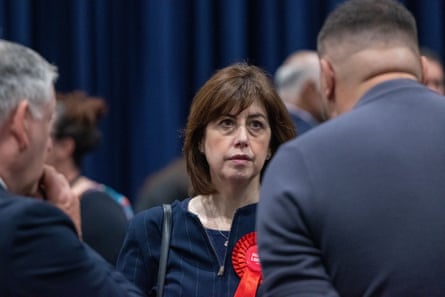
The local election results that prompted these changes revealed significant challenges for Labour in maintaining support among key voter demographics and geographic regions. These setbacks have forced difficult conversations within the party about electoral strategy, messaging, and policy priorities. Starmer's response of bringing in Brown and Harman suggests he is committed to demonstrating adaptability and openness to experienced counsel, even as he maintains overall strategic direction.
Brown's experience managing international financial relationships during his tenure as Chancellor and Prime Minister is particularly relevant given current economic uncertainties and the need for Britain to strengthen partnerships with European allies. His knowledge of complex financial arrangements and international economic coordination could facilitate the development of innovative approaches to defence investment partnerships that benefit both Britain and its allies while maintaining fiscal responsibility.
The involvement of both figures also reflects broader calculations about party unity and morale. Their acceptance of advisory roles sends a message that Labour's senior figures remain committed to the party's electoral prospects and are willing to work collaboratively toward recovering from recent setbacks. This unity, if successfully projected, could help stabilize the party's standing among members and supporters who have expressed concerns about recent electoral performance.
Looking forward, the effectiveness of these appointments will likely depend on whether Starmer can successfully translate their advice and expertise into tangible policy achievements that resonate with voters. The appointment of Brown and Harman represents an investment in both expertise and political credibility, suggesting Starmer believes that demonstrating connection to Labour's experienced leadership is essential for stabilizing his position. Whether this strategy proves successful in addressing the underlying concerns that prompted recent electoral disappointments remains to be seen, but it clearly demonstrates Starmer's determination to remain as Prime Minister and his willingness to leverage the party's intellectual resources in pursuit of renewed electoral success.


